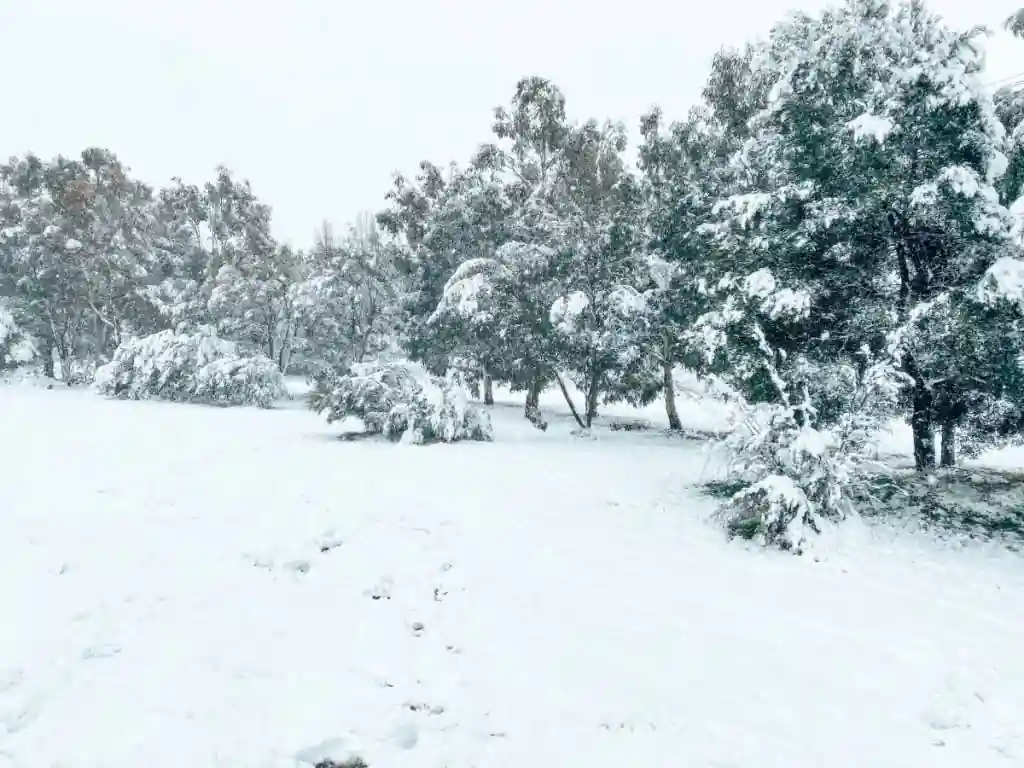

New South Wales’ Snowy Mountains are set for a much-needed winter reset this weekend, with forecasters expecting up to 20cm of fresh snow as a burst of polar air moves across south-eastern Australia.
The forecast comes after a difficult start to the 2026 ski season, when unusually mild temperatures, repeated rain and limited snowmaking conditions left parts of the alpine region with little natural cover. For skiers, snowboarders, families and local tourism operators, this weekend could bring the first meaningful improvement in weeks.
Fresh snow expected from Friday into the weekend
Weatherzone has forecast around 20cm of snow for the Snowy Mountains from Friday into the weekend, with the heaviest falls expected on Friday. Snow levels are expected to drop to around 1,000 metres above sea level, giving a wider stretch of the alpine region a chance of fresh cover.
The higher parts of Perisher, Thredbo, Charlotte Pass and Kosciuszko National Park are likely to see the best conditions if the cold air arrives at the same time as the strongest precipitation.
Why this snowfall matters
This is not just a normal winter top-up. NSW’s alpine region entered July with an official snow depth of zero centimetres at Spencers Creek, the highest of Snowy Hydro’s three Snowy Mountains snow-measuring sites.
According to the details provided, this has happened only for the second time in 72 years of records. Snowy Hydro has monitored the region’s snow depth since 1954, making the zero-depth reading a clear sign of how poor the early season has been.
How the early-season snow disappeared
The season briefly looked more promising before the King’s Birthday long weekend, when early snowfall brought some optimism to the resorts. But that cover quickly disappeared as warm temperatures and persistent rain melted the snowpack.
Snowmaking has also been difficult. Resorts need cold, dry overnight conditions to produce artificial snow efficiently, but many nights have been too warm or humid. That has left several slopes patchy despite the ski season already being underway.
What 20cm can change this weekend
A 20cm fall can make a visible difference across the mountains. It can cover trees, village areas and upper slopes, while also giving resort teams a better surface to groom and build on.
Still, visitors should keep expectations realistic. One snowfall will not fully restore the season after such a weak start. The overall snowpack is still likely to remain below average for early July, especially on lower slopes and exposed terrain.
Travel conditions may change quickly
Fresh snow can improve the alpine experience, but it can also make travel more difficult. Drivers heading toward the Snowy Mountains should prepare for slippery roads, reduced visibility, strong winds and possible chain requirements.
Visitors should check the latest updates from the Bureau of Meteorology, resort snow reports and road authorities before leaving, as alpine weather can shift rapidly across the day.
Read More
Local tourism gets a timely boost
The forecast arrives at an important point for snow-region businesses. Accommodation providers, ski hire stores, cafes, snow schools and transport operators all rely on winter momentum, and fresh natural snow can quickly lift visitor confidence.
The latest cold outbreak follows another recent system that brought rare May snowfall across parts of Victoria and New South Wales, showing how variable Australia’s alpine weather has been this year. This weekend’s system is more directly tied to the ski season because it arrives after resorts have already opened and after weeks of weak natural cover.
What visitors should watch next
The key details to monitor are snowfall totals, the final snow level, wind strength, lift status and road access. Higher alpine areas should benefit most, while lower areas may see mixed conditions depending on temperature changes.
If the forecast holds, this weekend could deliver the strongest improvement of the NSW snow season so far. It may not solve the snowpack deficit in one hit, but it should give the Snowy Mountains a much-needed winter lift after a historically slow start.
Public safety reminder:
Anyone travelling to the Snowy Mountains this weekend should check official road conditions, carry snow chains where required, drive to the conditions and avoid unnecessary travel during poor visibility, strong winds or heavy snowfall. Alpine weather can change quickly, especially on higher roads and resort access routes.

Make Swikblog your go-to source on Google for reliable updates, smart insights, and daily trends.