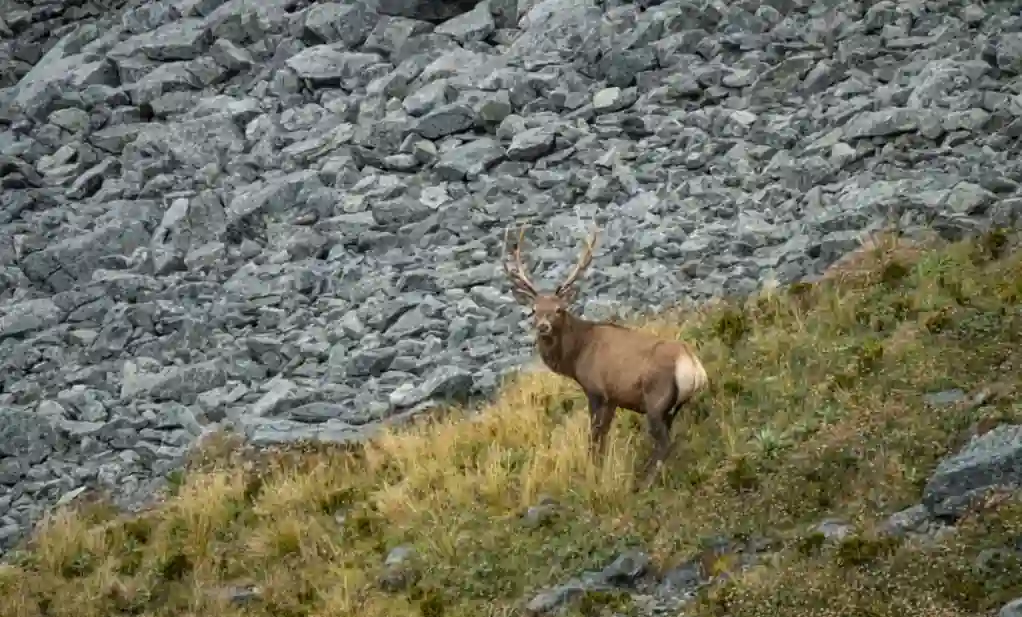

New Zealand has designated the Fiordland wapiti as the country’s first Herd of Special Interest, establishing a formal system to manage the introduced deer population for hunting while protecting the native ecosystems and World Heritage values of Fiordland National Park.
Hunting and Fishing Minister James Meager announced the decision in Te Anau on Monday, July 13, 2026. Under the plan, wapiti numbers will be controlled at sustainable levels and excess animals will continue to be culled to limit pressure on native vegetation and biodiversity.
The designation is intended to create a balance between conservation and hunting. It provides a structured framework for hunters to access healthy animals while requiring the herd to be managed in a way that protects Fiordland’s sensitive natural environment.
How the Fiordland wapiti herd will be managed
The new framework will include regular population monitoring, ecological targets, environmental reporting and a formal review at least once every five years. These measures are intended to show whether deer numbers are being controlled and whether native habitats are being adequately protected.
Meager described the designation as a “win-win” for hunters and conservation. He said the programme would help maintain sustainable herd numbers, allow hunters to take healthy animals from public backcountry and improve protection for native species and habitats.
The minister will retain overall authority over the programme. He can amend or remove the designation, or withdraw delegated management responsibilities, if monitoring shows the plan is not meeting its conservation obligations.
The Fiordland Wapiti Foundation will lead practical work on the ground in partnership with iwi and hapū. Its existing activities include helicopter deer culling, managing the popular wapiti hunting ballot, maintaining remote tracks and huts, and operating predator traplines.
Those traplines help protect vulnerable native wildlife, including the whio, or blue duck. The foundation’s wider role means the management programme extends beyond maintaining a hunting herd and includes direct work intended to support the surrounding ecosystem.
Fiordland Wapiti Foundation general manager Roy Sloan described the announcement as a monumental day for hunters and the wapiti herd after years of work, setbacks and public scrutiny. He said efforts to protect and manage wapiti in Fiordland stretched back more than 120 years.
Sloan said the designation would not change the foundation’s day-to-day responsibilities. Teams would continue carrying out aerial deer culls and walking through Fiordland’s large, cold valleys to check traplines and complete conservation work.
The foundation and the Game Animal Council submitted the proposal in March 2025. Draft management plans were later opened for public submissions, giving hunters, conservation groups and other interested parties an opportunity to comment on how the herd should be managed.
Read More
Why the decision has divided opinion
Wapiti are highly valued by hunters, but they are an introduced species in New Zealand. Some conservationists have previously argued that introduced hunting herds should not receive special recognition inside national parks because deer browsing can damage indigenous vegetation.
The special designation does not mean the herd will be protected from population control. Excess wapiti will still be removed, and the number of animals retained will be guided by ecological limits and monitoring results.
The success of the programme will therefore depend on whether it produces measurable environmental improvements. Regular reporting and ecological targets will be important in determining whether hunting objectives remain compatible with biodiversity protection.
Game Animal Council chief executive Corina Jordan said the designation allows practical, responsible and hunter-led game animal management. She said it recognises the value of game animals and hunting while requiring conservation values to remain protected.
Jordan also noted that the Fiordland model is largely self-funded. Hunters and the Fiordland Wapiti Foundation meet much of the cost of herd management, monitoring and wider conservation work, reducing the amount of direct public funding required for those activities.
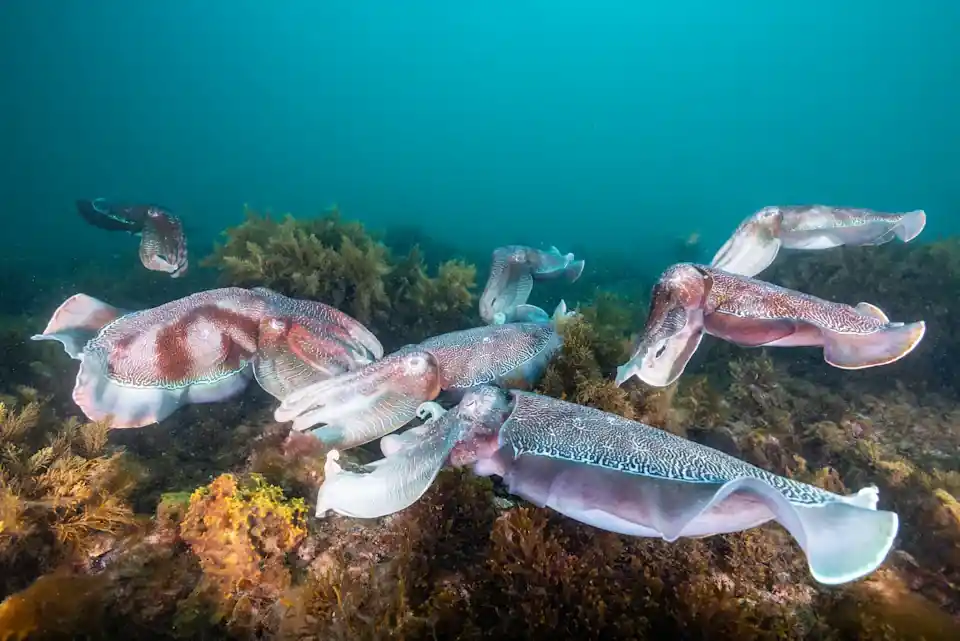
The decision reflects a wider trend toward targeted wildlife management across Australasia. A similar conservation response can be seen in South Australia’s temporary restrictions protecting giant cuttlefish near Whyalla, where authorities limited recreational water access during a critical breeding period after exceptionally low population counts.
Although the two cases involve very different species, both show how wildlife policies can combine access restrictions, population monitoring and practical conservation work when environmental risks become a concern.
The Fiordland wapiti designation will formally begin once its hunting conditions are published in the New Zealand Gazette. Until that legal step is completed, the operational rules and delegated responsibilities will not take effect.
Meager is also expected to make a decision shortly on the proposed sika Herd of Special Interest. That decision will indicate whether the Fiordland arrangement remains an individual case or becomes part of a broader model for managing selected game herds in New Zealand.
Official background is available through the New Zealand Government’s Fiordland wapiti Herd of Special Interest process.

Make Swikblog your go-to source on Google for reliable updates, smart insights, and daily trends.