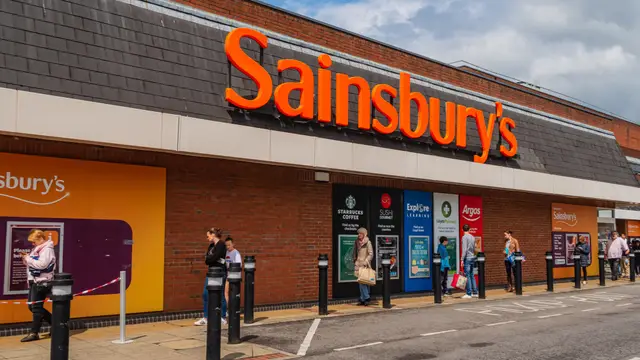

Sainsbury’s is moving to secure more British-grown tomatoes, cucumbers and peppers after extreme weather repeatedly disrupted salad supplies imported into the UK.
The supermarket announced two 10-year agreements with Thanet Earth and Evesham Vale Growers on July 23, 2026. Shoppers could see more British cucumbers this winter, while a limited-edition £5 salad box has already reached 420 selected stores.
What shoppers need to know
- British-grown whole cucumber volumes could increase by up to 60% this winter.
- Thanet Earth will grow winter cucumbers at its glasshouse complex in Kent.
- Evesham Vale Growers will help increase the availability of British tomatoes.
- No new purchase limits have been announced.
- The agreements do not mean all salad produce will become British-grown.
- Sainsbury’s has not promised that individual vegetable prices will fall.
Why Sainsbury’s signed 10-year deals
UK supermarkets rely heavily on imported salad vegetables outside the British growing season. That dependence can leave shelves exposed when heat, cold, flooding or transport disruption reduces production in Spain, Morocco and other supplier countries.
In early 2023, poor weather and logistical problems led several supermarkets to restrict purchases of tomatoes, cucumbers, peppers, lettuce and salad bags. Fresh produce has a short storage life, so disruption can reach stores more quickly than it does with packaged food.
The new contracts are intended to reduce that risk by giving British growers enough certainty to invest in expanded production. They are a resilience measure, not confirmation that a nationwide salad shortage or new rationing is imminent.
Other food categories face different supply pressures, as explained in this report on UK food-shortage risks and vulnerable products.
How British cucumbers will grow through winter
Thanet Earth will produce the winter crop at its site in Birchington, Kent, described as the UK’s largest single-site glasshouse complex. Lighting, heating and managed carbon dioxide levels will create suitable growing conditions during months with fewer daylight hours.
Thanet Earth’s official cucumber information says it grows around 30 million cucumbers annually in glasshouses covering an area comparable to 17 football pitches. Its lit production already gives it one of the country’s longest growing seasons.
The agreement will help Sainsbury’s secure domestic cucumbers during a period when it traditionally relies more heavily on imports. However, imported produce will remain necessary when British farms cannot meet total demand.
Plans for British tomatoes and peppers
Evesham Vale Growers will work with Sainsbury’s to increase the number of British tomatoes on shelves and extend their availability. The supermarket has also supported British Tomato Fortnight, which promotes domestically grown varieties.
The partnerships cover peppers as part of the wider salad-supply strategy, although Sainsbury’s has not provided a separate pepper-volume target.
The financial value of the agreements, precise annual supply quantities and any pricing guarantees for growers were not disclosed.
What is inside the £5 salad box?
Sainsbury’s has launched an 800g Taste the Difference British Salad Selection Box containing British-grown tomatoes, pointed peppers and one midi cucumber.
The box costs £5 and is available in 420 selected stores for six weeks, subject to stock. Sainsbury’s says it provides a 24% saving compared with buying the included products separately.
The seasonal promotion was made possible through the retailer’s 17-year relationship with growers in Kent. It is not a permanent £5 price across the vegetable aisle, and a complete participating-store list was not included in the announcement.
Read More:
Does the UK drought affect this change?
The announcement arrived as North Gwynedd, including Ynys Môn, South Gwynedd, Dee in Wales, Clwyd and the Upper Severn entered drought status.
Natural Resources Wales reported exceptionally low river flows, declining groundwater and growing effects on agriculture and wildlife. Some locations had received less than 2% of their expected July rainfall by July 21, putting Wales on course for its driest July in almost 190 years if conditions continued.
Drought status does not automatically mean household water shortages. It does indicate pressure on farms, rivers, soils and water abstraction. The wider agricultural consequences are explored in this guide to drought, land degradation and food production.
The drought was not identified as the direct cause of the contracts. Instead, it illustrates why supermarkets and growers are planning for more frequent weather shocks.
Will the change affect prices?
Sainsbury’s has not announced lower prices for individual tomatoes, cucumbers or peppers. Growing vegetables under glass during winter requires energy for lighting, heating and climate controls, making it more expensive than relying only on natural summer conditions.
Long contracts can help producers plan those investments and give Sainsbury’s a more dependable domestic supply. They cannot remove every risk, including energy costs, plant disease, water pressure and extreme weather.
For customers, the expected benefit is more consistent availability—particularly of British cucumbers during winter—rather than a guaranteed reduction in grocery bills.

Make Swikblog your go-to source on Google for reliable updates, smart insights, and daily trends.