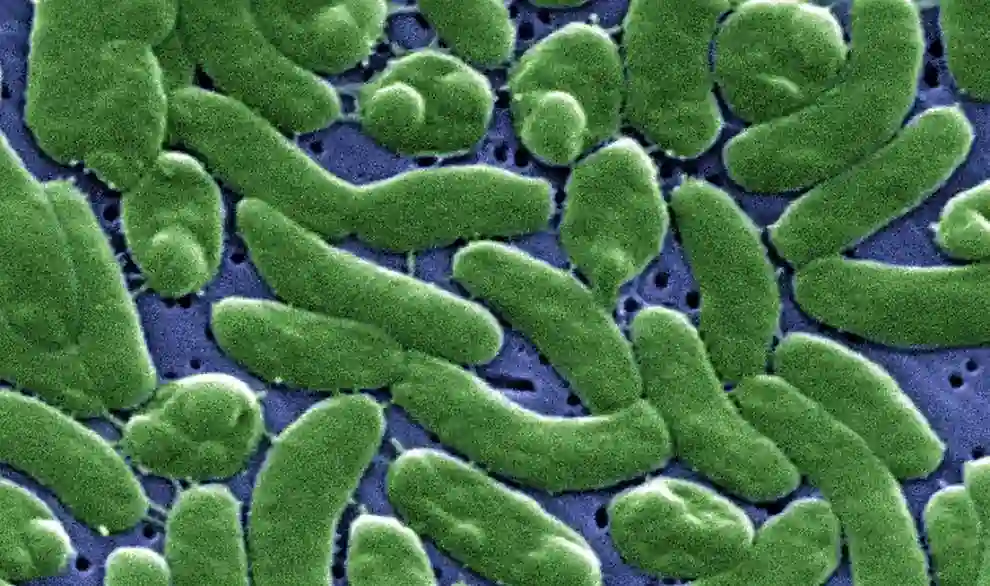

Louisiana health officials are warning residents and coastal visitors after five people died from severe Vibrio vulnificus infections in 2026. Nine cases had been confirmed as of August 5, and every patient was hospitalized.
All nine infections were associated with wounds exposed to seawater. Officials also confirmed that every patient had an underlying health condition, which can increase the risk of life-threatening complications.
The figures are unusual for Louisiana. By this point in previous years, the state averaged seven cases and one death. Although the number of infections is only moderately higher, the five deaths represent a sharp rise from the historical average.
What is Vibrio vulnificus?
Vibrio vulnificus is a bacterium found naturally in warm coastal water. It can live in salt water and brackish water, the mixture of fresh and salt water commonly found where rivers meet the sea.
The bacteria are generally found in higher numbers from May through October as water temperatures rise. Their presence does not automatically indicate sewage contamination, and Louisiana officials have not announced a statewide beach closure.
Different bacteria can lead to different public-health responses. Visitors should check local advisories before swimming, as people were advised to do when elevated bacteria levels affected Massachusetts beaches, while recognizing that the organisms and exposure risks are not necessarily the same.
How the infection enters the body
Vibrio can enter through a cut, scrape, burn, puncture, insect bite or another break in the skin. Recent surgery sites, tattoos and piercings can also provide an entry point.
Exposure may happen while swimming, wading, fishing, walking along the shore or cleaning raw shellfish. A wound does not need to look large or serious for bacteria to enter.
People can also become infected after eating raw or undercooked seafood, particularly oysters. Because oysters filter coastal water, bacteria can concentrate inside them. Louisiana’s nine reported cases were linked to wounds exposed to seawater rather than a reported foodborne source.
Vibrio infections are not generally transmitted directly between people. This differs from bacterial alerts involving contaminated products, including a recent warning concerning bacteria found in wet wipes, where the route of exposure involved use of a consumer product.
Symptoms that should not be ignored
A wound infection may cause increasing redness, severe pain, swelling, warmth, discoloration or fluid leaking from the affected area. Fever, chills and fluid-filled blisters can indicate a more serious infection.
If the bacteria enter the bloodstream, a patient may experience fever, chills, blistering skin lesions and dangerously low blood pressure. The infection can lead to sepsis and may progress quickly.
Eating contaminated seafood can produce watery diarrhea, stomach cramps, nausea, vomiting, fever and chills.
Some cases develop into necrotizing fasciitis, a condition in which tissue around an infected wound dies. This is why Vibrio vulnificus is often called “flesh-eating bacteria.” The phrase is not a scientific name, and several bacteria can cause necrotizing fasciitis.
Who faces the greatest risk?
Anyone can develop a Vibrio infection, but severe illness is more likely among people with liver disease, diabetes, cancer, HIV, thalassemia or weakened immunity.
Risk can also be higher for people receiving immune-suppressing treatment, taking medicines that reduce stomach acid or recovering from stomach surgery.
The five deaths among nine Louisiana cases should not be treated as the fatality risk for everyone entering seawater. This is a small group of confirmed, serious infections, and every patient had an underlying condition. Across diagnosed Vibrio vulnificus infections more broadly, about one in five patients dies, sometimes within one or two days of becoming ill.
Read More
When to seek emergency care
Anyone whose wound becomes red, swollen, painful, warm, blistered or discolored after exposure to coastal water should seek medical attention immediately.
Patients should tell the healthcare provider that the wound was exposed to salt water, brackish water or raw seafood. That information can help clinicians consider a Vibrio infection sooner.
Severe cases may require intensive care, antibiotics and surgery to remove damaged tissue. Some patients require limb amputation to prevent the infection from spreading.
Precautions around seawater and seafood
People with open wounds should avoid salt and brackish water whenever possible, including while wading at the beach. If contact cannot be avoided, the wound should be covered completely with a secure waterproof bandage.
Cuts exposed to coastal water or raw seafood should be washed immediately with soap and clean running water. Protective footwear can prevent injuries in shallow water, while gloves can protect cuts when handling shellfish.
Oysters and other shellfish should be cooked thoroughly. Contaminated oysters may look, smell and taste normal. Lemon juice, hot sauce and alcohol do not kill Vibrio bacteria.
Louisiana’s official Vibrio health update provides the confirmed case figures and prevention guidance. With warm coastal conditions continuing through summer and early fall, protecting minor wounds and responding quickly to symptoms remain essential.

Make Swikblog your go-to source on Google for reliable updates, smart insights, and daily trends.