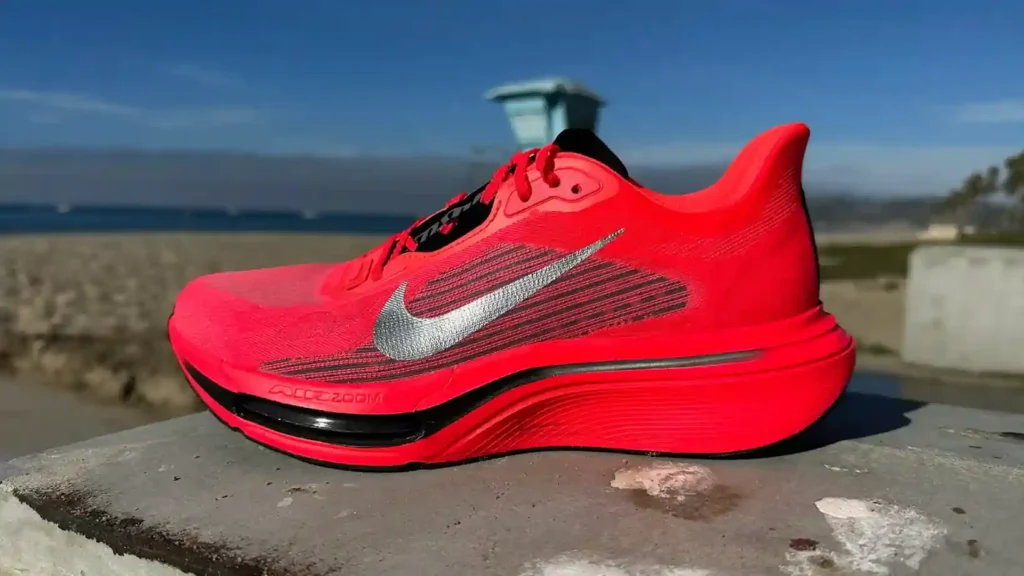

Nike is preparing to launch the Pegasus Plus 2, a major update to its faster Pegasus trainer that combines ZoomX foam with an exposed, curved Air Zoom unit in the forefoot. Nike says the new system delivers at least 18% more energy return than the original Pegasus Plus, bringing race-inspired responsiveness to everyday training without using a carbon-fibre plate.
The Pegasus Plus 2 is expected in late August 2026 through Nike and selected retailers. Nike’s US listings price the shoe at $170. Beyond the headline energy-return claim, runners are getting a redesigned upper, roomier forefoot, revised outsole and a 10mm heel-to-toe drop.
Nike Pegasus Plus 2 release date, price and availability
Nike says the Pegasus Plus 2 will become available in late August. Some launch coverage points to August 30, although Nike’s official announcement gives a broader late-August window, so exact availability may differ between markets and retailers.
The current US price is $170 for both men’s and women’s versions. The men’s Flash Crimson model carries style code IM2541-600, while the women’s version is IM2543-600.
Curved Air Zoom delivers the biggest upgrade
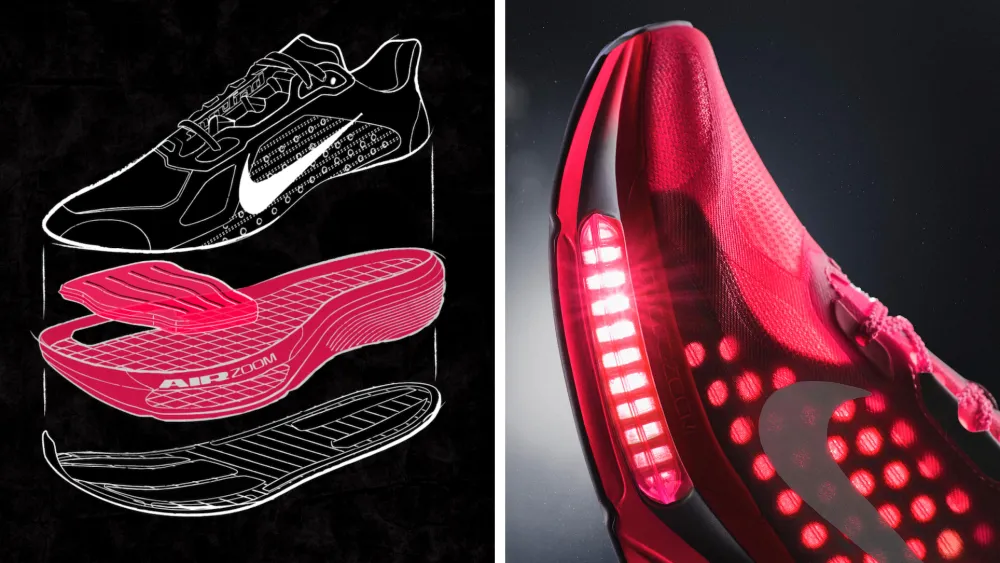
The original Pegasus Plus, introduced in 2024, relied on ZoomX foam for its responsive ride. The Plus 2 adds an exposed Air Zoom unit beneath the forefoot, with a curved shape designed to help runners transition through their stride and create additional propulsion at toe-off.
Inside the unit, pressurised air and tensile fibres compress under load and rebound as the foot moves forward. Nike pairs that system with ZoomX foam and claims the combination produces at least 18% greater energy return than the first Pegasus Plus.
That figure should not be interpreted as an 18% increase in running speed. Energy return describes the performance of the cushioning system; actual pace still depends on fitness, running economy, biomechanics and conditions.
No carbon plate, but Nike is targeting faster training
The Pegasus Plus 2 does not have a carbon-fibre plate. Instead, Nike is relying on the curved Air Zoom unit and ZoomX cushioning to provide a more energetic ride.
Nike positions the shoe as a tempo trainer, making it relevant for runners who want something quicker than a conventional daily shoe without moving to a stiff plated racer. It can potentially cover daily mileage, progressive runs and faster training sessions.
The approach reflects the wider influence of race-day footwear on everyday running shoes. Advanced footwear has also become part of the discussion around elite performances, including Sabastian Sawe’s sub-two-hour London Marathon performance and the technology being used at the highest levels of distance running.
Weight, 10mm drop and a roomier toe box
Nike lists the men’s Pegasus Plus 2 at approximately 265 grams (9.3 oz) in a US size 10, while the women’s version is approximately 215 grams (7.5 oz) in a US size 8. Both have a 10mm heel-to-toe drop.
The relatively high drop could suit runners who prefer traditional Pegasus geometry and heel strikers, while runners accustomed to lower-drop tempo shoes may find the ride noticeably different.
Nike has also moved to a more accommodating forefoot shape similar to the Pegasus 42, giving the toes additional room. The breathable upper incorporates a visible midfoot containment system intended to keep the foot secure as pace increases.
The outsole receives flex grooves and revised Waffle traction geometry, allowing the forefoot to flex while maintaining grip where it is needed.
Nike Cuts 1,400 Jobs in Major Global Restructuring
Costco Nike Dunks Kirkland Drop 2026: What Shoppers Need to Know
Pegasus Plus 2 vs Pegasus 42 and Pegasus Premium
The three Pegasus models target different types of running. The Pegasus 42 is the more conventional everyday trainer, while the Pegasus Plus 2 adds lighter, more responsive technology for faster training. The Pegasus Premium sits at the more heavily cushioned, technology-focused end of the family.
The Plus 2 is therefore the middle option for runners who want more energy and speed than the standard Pegasus but do not necessarily need the Premium’s cushioning setup or a dedicated carbon-plated racing shoe.
Who is the Nike Pegasus Plus 2 for?
The strongest case for the Plus 2 is versatility. It could suit runners wanting one responsive trainer for regular mileage, longer efforts and sessions where the pace increases.
There are trade-offs. At around 9.3 ounces for the men’s version, it is not among the lightest dedicated tempo shoes. Its 10mm drop may also be less attractive to runners who strongly prefer lower-drop geometry.
That could make the Plus 2 more appealing as a fast everyday trainer than a pure speed-day shoe for some runners. Modern road racing increasingly demonstrates how specialised footwear choices have become, something also evident in the elite performances and national records at the Valencia Marathon.
According to Nike’s official Pegasus Plus 2 announcement, the curved Air Zoom and ZoomX combination delivers at least 18% more energy return than its predecessor. For buyers, however, fit, running style and intended use remain more important than a laboratory percentage alone.

Make Swikblog your go-to source on Google for reliable updates, smart insights, and daily trends.