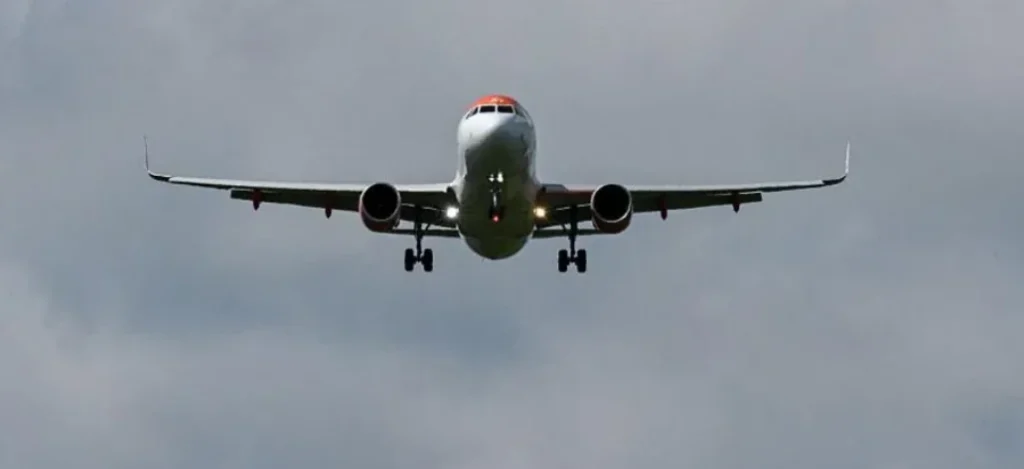

An unidentified man found dead inside the landing gear compartment of an Air Arabia aircraft at London Gatwick Airport died after exposure to extreme cold and a lack of oxygen, an inquest has heard.
The man’s body was discovered on June 16, 2026, after the aircraft arrived at Gatwick from Tangier, Morocco. More than two months later, the opening of the inquest revealed the medical factors behind his death, although his identity remains unknown.
Ground engineer found the man after the flight landed
A ground engineer discovered the man while carrying out checks on the Air Arabia aircraft following its arrival from Tangier. He was confirmed dead at the scene.
Gatwick Airport said at the time that its emergency services attended the aircraft shortly after 11:30 a.m. BST on June 16 after an incident was identified following its arrival. Airport teams then supported Sussex Police officers and the coroner.
The case is separate from other incidents that have affected operations at the airport. In July, a British Airways technical fault temporarily blocked Gatwick’s runway and forced multiple inbound flights to divert. No connection has been reported between that disruption and the Air Arabia case.
Post-mortem reveals cause of death
Coroner Joseph Turner opened the inquest at Horsham Coroner’s Court on Tuesday, August 25. Turner is the area coroner for West Sussex, Brighton and Hove.
The court heard that a post-mortem examination found the man’s death was caused by cardiac arrest, hypoxia and hypothermia.
Hypoxia occurs when the body does not receive enough oxygen, while hypothermia develops when body temperature falls dangerously low. Turner said conditions inside the aircraft’s wheel compartment would have been extremely cold and oxygen levels would have been low.
Why an aircraft wheel compartment is so dangerous
Aircraft landing gear compartments are not designed to carry people. Unlike the passenger cabin, a wheel well does not provide the same controlled and pressurised environment needed to protect occupants during flight.
At cruising altitude, very low temperatures and reduced oxygen can create life-threatening conditions. A person concealed in this area can also face physical hazards as the landing gear retracts after takeoff and extends again before landing.
Landing gear incidents can involve very different circumstances. In a separate Australian case, investigators examined why a wheel separated from a Link Airways aircraft during takeoff from Canberra Airport. The aircraft returned safely, but the incident highlighted the complex mechanical environment surrounding landing gear systems.
For broader information on global aviation safety standards and risk management, the International Civil Aviation Organization provides official safety resources and guidance.
Jet2 Flight LS3251 Diverts to Manchester After Emergency Alert
Alaska Plane Crash: Cessna 441 With Eight Aboard Crashes Near Cape Newenham
Coroner believes the death was unnatural
After considering the circumstances and medical evidence presented at the opening hearing, Turner said he had reason to believe the man’s death was “unnatural.”
That assessment does not establish how the man entered the aircraft or why he was inside the landing gear compartment. Authorities have not publicly identified him, and the hearing did not establish when or how he gained access to the aircraft.
The medical findings provide a clearer explanation of what happened physically during the flight, but they do not answer the central questions surrounding the man’s identity or the circumstances that led him to the aircraft.
Inquest adjourned until February 2027
The opening hearing is not the final conclusion of the investigation. The inquest has been adjourned until February 24, 2027.
The confirmed timeline begins on June 16, when the Air Arabia aircraft arrived from Tangier and the body was discovered during ground checks. On August 25, the inquest disclosed the post-mortem findings and the coroner’s assessment of the conditions inside the wheel compartment.
For now, the man’s identity and how he came to be inside the aircraft remain unresolved. Further evidence may emerge when the inquest resumes in February 2027.

Make Swikblog your go-to source on Google for reliable updates, smart insights, and daily trends.