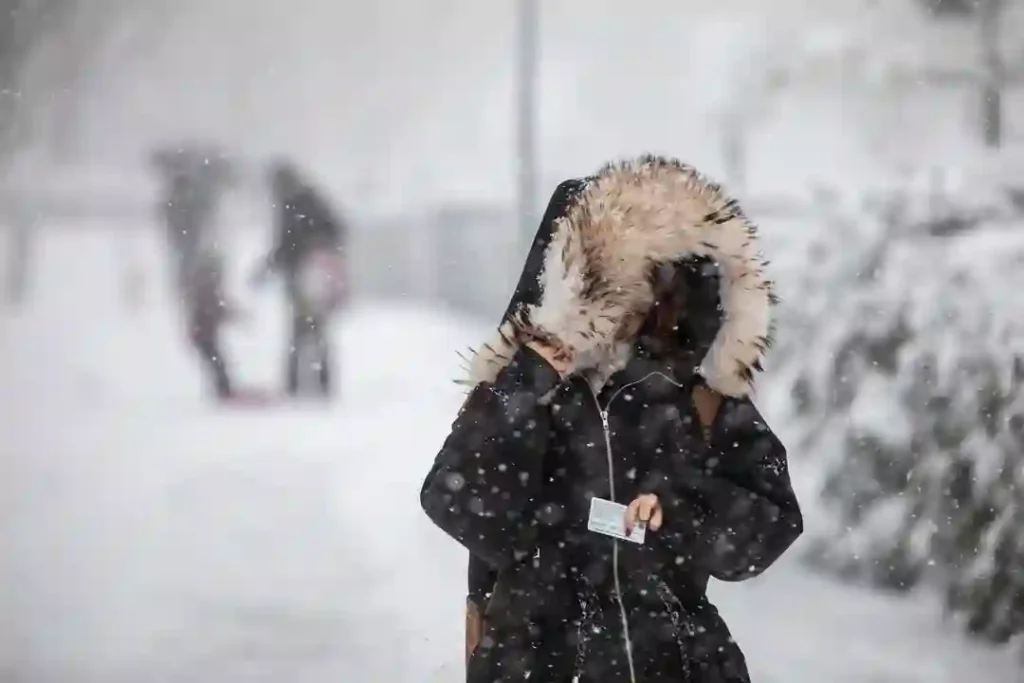

Alberta is set to experience a powerful late-season winter storm, bringing heavy snowfall, dangerous travel conditions, and extreme cold across multiple regions. Despite the official arrival of spring, this system is expected to deliver conditions more typical of mid-winter, with snowfall totals reaching up to 25 centimetres and wind chill values plunging as low as –40°C.
Environment Canada has issued a series of snowfall warnings across northern and western Alberta, as a prolonged weather system moves into the province. The storm is expected to last for nearly two days, impacting both urban centres and remote communities.
Snowfall warnings issued across multiple Alberta regions
Snowfall warnings are currently in effect for a wide stretch of Alberta, including regions from Slave Lake and Grande Prairie down to Hinton and Edson. The storm will also impact the Rocky Mountain corridor, including popular mountain communities such as Jasper, Banff, and Lake Louise.
According to forecasts, snowfall will begin developing through Tuesday and intensify significantly by Tuesday evening. The heaviest snow is expected overnight, before gradually easing by Wednesday morning. In total, affected regions could see between 15 and 25 centimetres of snow accumulation.
This prolonged snowfall event is expected to cover large parts of northern and western Alberta, effectively burying communities under fresh snow even as the calendar transitions into spring.
Travel conditions expected to deteriorate rapidly
Authorities are warning that travel conditions will become increasingly dangerous as the storm intensifies. Poor visibility caused by heavy snowfall and blowing snow is expected to make driving hazardous, particularly on highways and open rural roads.
Drifting snow combined with reduced visibility can create sudden whiteout conditions, especially in exposed areas and mountain passes. Drivers traveling through regions such as Jasper, Banff, and other Rocky Mountain routes should prepare for rapidly changing conditions.
Residents are strongly advised to monitor weather updates and road conditions before traveling. Official alerts and updates can be accessed via Environment Canada’s weather warnings.
Travelers are also encouraged to allow extra time for their journeys and carry emergency supplies in case of delays or road closures.
Extreme cold grips northeastern Alberta
While heavy snowfall dominates much of the province, northeastern Alberta is facing a different threat: extreme cold. Communities such as Fort Chipewyan are expected to experience dangerously low temperatures combined with strong winds.
Wind chill values in these regions could make temperatures feel as low as –40°C. Actual daytime highs on Tuesday are expected to hover around –20°C, while overnight lows could drop sharply to –31°C.
Such extreme cold conditions pose serious health risks, particularly for those exposed to the elements for extended periods. Environment Canada has warned that frostbite can develop within minutes on exposed skin under these conditions.
Health risks and safety precautions
Officials are urging residents in affected areas to take extra precautions during this period of extreme weather. Cold-related health risks can escalate quickly, especially when strong winds increase heat loss from the body.
People are advised to watch for symptoms of cold exposure, including shortness of breath, chest pain, muscle weakness, numbness, and changes in skin colour in fingers and toes.
These symptoms may indicate serious conditions such as frostbite or hypothermia and should not be ignored. Residents should limit time outdoors, dress in multiple warm layers, and ensure that all exposed skin is properly covered.
Additional safety guidelines can be found through Health Canada’s cold weather safety resources.
Spring conditions delayed as winter returns
The arrival of this storm highlights the unpredictable nature of seasonal transitions in Alberta. While spring typically brings milder temperatures and melting snow, this system is a reminder that winter conditions can persist well into late March.
With heavy snowfall in the west and north, combined with extreme cold in northeastern regions, Alberta is facing a multi-impact weather event that could disrupt daily life, travel, and outdoor activities.
Although the heaviest snowfall is expected to taper off by Wednesday morning, the extreme cold in northeastern Alberta is forecast to continue for several days. Conditions are expected to gradually improve by Friday as temperatures begin to moderate.
Until then, residents are being urged to stay informed, prepare for winter-like conditions, and prioritize safety as this late-season storm moves across the province.
For more breaking news coverage on major global incidents, check out our report on the military plane crash in Colombia that left 66 dead among 128 people onboard.

Make Swikblog your go-to source on Google for reliable updates, smart insights, and daily trends.