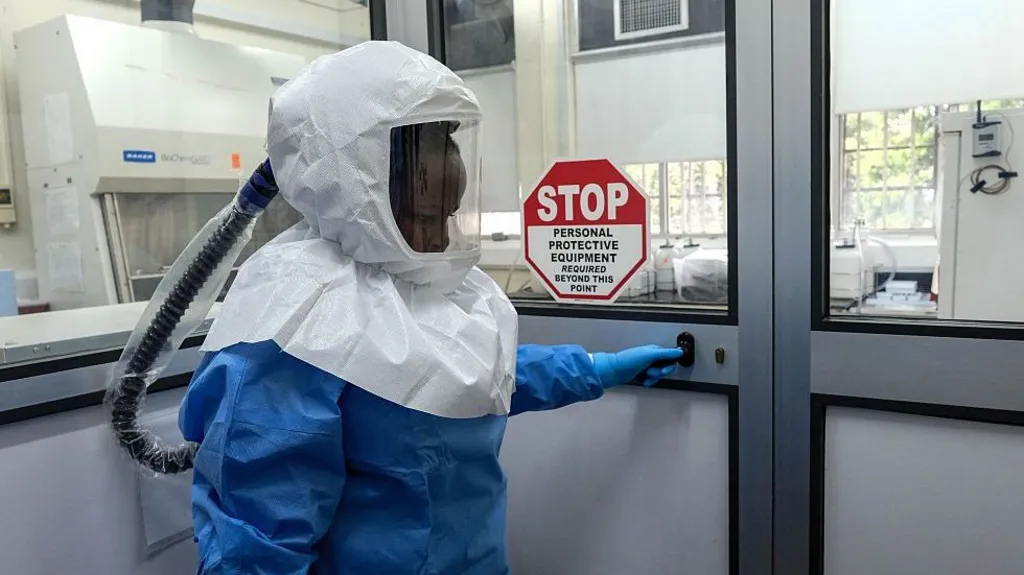
Amazon has confirmed a tuberculosis (TB) case linked to its Coventry warehouse, with health teams offering testing to employees who may have had close workplace contact. Here’s what’s known so far, what TB is, and what happens next.
Amazon has confirmed a case of tuberculosis (TB) at one of its warehouses in Coventry, UK, prompting health officials to begin precautionary testing for staff who may have been exposed through close contact at work. Reports from the BBC and The Guardian said the response is focused on identifying and supporting anyone who may have been in prolonged contact, rather than suggesting a risk to the wider public.
What happened at the Coventry site
Amazon said the case was identified in connection with its Coventry operation and that it is cooperating with public health teams. As part of standard procedure, health officials typically assess who may have had close contact with the infected person and offer testing where appropriate. The site can remain operational while assessments and testing take place, depending on official guidance.
Amazon’s response
Amazon has said it is following public health advice and supporting staff through the process. In situations like this, employers may be asked to help health teams by sharing shift patterns, workplace layouts, and other contact-tracing information, while protecting employee privacy.
- Targeted testing for employees who may have had prolonged close contact
- Workplace information shared with health teams to support contact tracing
- Staff updates on symptoms, next steps, and where to get help
What TB is — and how it spreads
Tuberculosis is a bacterial infection that mainly affects the lungs. It can spread through the air, but typically requires prolonged close exposure—often in enclosed spaces—rather than brief contact. The NHS explains that TB is treatable and that health teams focus on early detection and appropriate treatment to reduce transmission risk. For reliable public guidance, see the NHS overview of tuberculosis (TB).
Are workers at risk?
Testing is usually offered to people identified as close contacts. Some individuals may be found to have “latent” TB infection (not contagious and often without symptoms), while “active” TB is the form that can spread—especially if untreated. Health professionals determine next steps case by case, including whether preventive medication or treatment is recommended.
Why this is trending right now
Search interest surged after major outlets reported the Coventry case and workplace testing. TB stories often trend because the term is widely recognised, even though most modern responses are routine public health measures focused on containment and treatment.
What happens next
Health teams will continue contact tracing and testing until they’re confident all close contacts have been identified and supported. If you’re following UK public safety updates, you can browse more coverage on Swikblog here: UK news on Swikblog and Health topics on Swikblog.
Note: This article summarises publicly reported information and general health guidance. For personal medical concerns, follow advice from qualified health professionals.

Make Swikblog your go-to source on Google for reliable updates, smart insights, and daily trends.