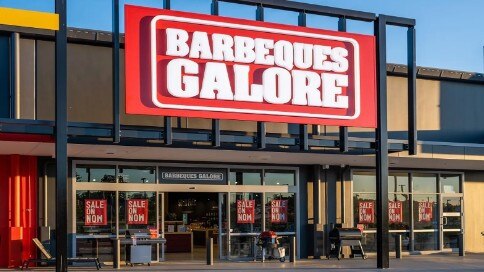

Barbeques Galore is preparing to close 62 company-owned stores across Australia after a rescue plan aimed at saving the retailer failed, bringing one of the country’s most recognizable outdoor living brands to a critical turning point. The collapse is expected to affect around 500 employees and signals the end of months of efforts to secure the company’s future.
The retailer entered voluntary administration in February after ongoing liquidity issues and cash flow pressures placed significant strain on operations. Administrators and receivers subsequently launched a formal process to find a buyer or recapitalise the business, hoping to preserve the national store network and avoid widespread job losses.
Those efforts ultimately proved unsuccessful. A Deed of Company Arrangement proposal backed by Gordon Brothers, the company’s secured creditor, failed to move forward after negotiations with suppliers were unable to produce commercially viable trading arrangements. According to The Australian Financial Review, the sale and recapitalisation process generated interest from multiple parties, but none of the proposals were capable of being accepted or implemented, leaving administrators with little choice but to wind down the company-owned business.
How a well-known Australian retailer reached this point
Barbeques Galore has been a familiar name in Australian households for decades, building its reputation around barbecues, outdoor furniture, heating products and backyard entertaining. The brand became closely associated with Australia’s outdoor lifestyle and expanded into a nationwide retail network.
However, the business has faced mounting challenges in recent years. Retailers that depend heavily on discretionary spending have been under pressure as households deal with higher living costs and economic uncertainty. Products such as outdoor kitchens, premium barbecues and outdoor furniture are often among the first purchases consumers postpone when budgets tighten.
At the same time, large-format retailers must manage substantial inventory costs, warehousing expenses and lease commitments. When sales slow and financing becomes more difficult, liquidity can deteriorate quickly. Despite management efforts to improve operations and reposition the company, those pressures ultimately became too difficult to overcome.
What the closures mean for workers and customers
The company is expected to be formally wound up from June 16, triggering the closure of 62 company-operated locations. New South Wales is expected to experience the largest number of closures, followed by Victoria, Queensland and Western Australia. Additional stores across South Australia, Tasmania, the Australian Capital Territory and the Northern Territory will also be affected.
Not all locations will immediately disappear. The retailer’s 27 franchise-owned stores are expected to remain outside the current closure program and will enter discussions regarding future operating arrangements.
Approximately 500 employees are expected to be impacted by the shutdown. Receivers have stated that employee entitlements and benefits will be paid, providing some reassurance for affected staff during the transition.
Customers holding gift cards have also been given a limited period to redeem them before June 30. However, the redemption process comes with a significant condition. A customer wishing to use a $50 gift card must make a total purchase of $150, paying the remaining $100 after the gift card value has been applied.
Read More
The challenges facing Barbeques Galore mirror broader pressures across Australia’s retail landscape. Similar financial strains have recently affected other consumer-facing businesses, including Boost Juice Gold Coast stores affected by liquidation proceedings, highlighting the increasingly difficult environment for businesses reliant on consumer spending.
For Barbeques Galore, the collapse marks the end of a significant chapter in Australian retail. The brand’s nationwide presence and long history were not enough to offset ongoing liquidity challenges, supplier concerns and a difficult trading environment. Its closure serves as a reminder that even established household names remain vulnerable when financial pressures persist and turnaround efforts fail to gain the support needed to succeed.

Make Swikblog your go-to source on Google for reliable updates, smart insights, and daily trends.