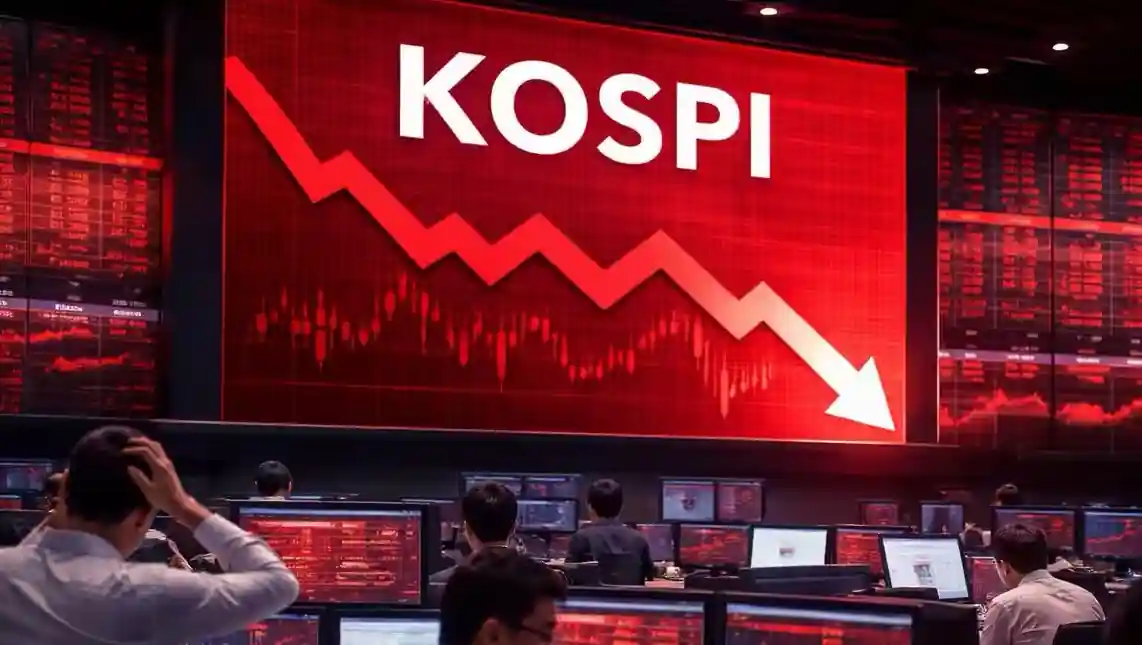

BRP (DOO.TO) stock plunged 35% on April 15, dropping to around $69.30, after the Canadian powersports manufacturer warned that new U.S. tariff rules could create a cost impact exceeding $500 million this year. The sharp sell-off came as the company also suspended its financial forecast, triggering strong negative sentiment among investors.
The sudden decline marks a dramatic reversal for BRP, which had only weeks earlier projected fiscal-year net income of up to $480 million. The company had initially estimated tariff-related costs at just $90 million, but recent policy changes in the United States significantly altered that outlook, forcing management to reassess its financial expectations.
The key trigger behind the stock movement was a revised U.S. tariff policy that came into effect on April 6. Under the updated rules, a 25% tariff is now applied to the full value of products made substantially of steel, aluminum, or copper. This represents a major shift from the previous structure, where BRP paid a 50% tariff only on the metal content within its vehicles — a far less costly arrangement.
This policy change directly impacts BRP’s core product lineup, including snowmobiles and off-road vehicles, many of which are manufactured in Canada and Mexico but sold primarily in the United States. With approximately 60% of BRP’s revenue coming from the U.S., the company is highly exposed to such trade policy shifts.
From a production standpoint, BRP’s footprint further amplifies the impact. Nearly 70% of its total production takes place in Mexico, with additional manufacturing in Canada. This cross-border supply chain, once a competitive advantage, has now become a vulnerability under stricter tariff enforcement.
The financial implications are significant. A cost burden of more than $500 million — even before mitigation — could potentially outweigh a large portion of the company’s previously expected profits. This explains the market’s aggressive reaction, as investors quickly repriced the stock to reflect lower earnings visibility and higher operational risk.
Management acknowledged the severity of the situation. CEO Denis Le Vot, who took over on February 1, stated that BRP is operating in a “highly volatile and unpredictable tariff environment,” emphasizing that the changes have created uncertainty across the market. Despite this, he expressed confidence that the company’s strong balance sheet and operational agility would help navigate the disruption.
However, investor sentiment remains cautious. The decision to suspend financial guidance has added another layer of concern, as it signals that management currently lacks sufficient clarity to provide reliable forecasts. In financial markets, withdrawn guidance often leads to increased volatility, as analysts and investors struggle to model future performance.
The broader market context also plays a role. Tariffs on metals such as steel, aluminum, and copper have become a growing concern for manufacturers globally. These materials are critical inputs for many industries, and higher tariffs can lead to increased production costs, pricing pressures, and potential demand slowdowns. For more details on global tariff policies, you can refer to this World Trade Organization overview.
For BRP, the challenge is twofold. On one hand, the company must find ways to mitigate the financial impact — potentially through pricing adjustments, cost reductions, or supply chain changes. On the other hand, it must maintain demand for its premium recreational vehicles in a potentially more expensive environment.
The company has indicated that mitigation strategies are being explored, though specific measures have not yet been detailed. Any success in offsetting the tariff burden will be closely watched by investors in the coming quarters. Until then, uncertainty is likely to remain a key factor influencing the stock.
You may also like Xanax Recall: Check If Your Medication Is Affected By Lot Number.

Make Swikblog your go-to source on Google for reliable updates, smart insights, and daily trends.