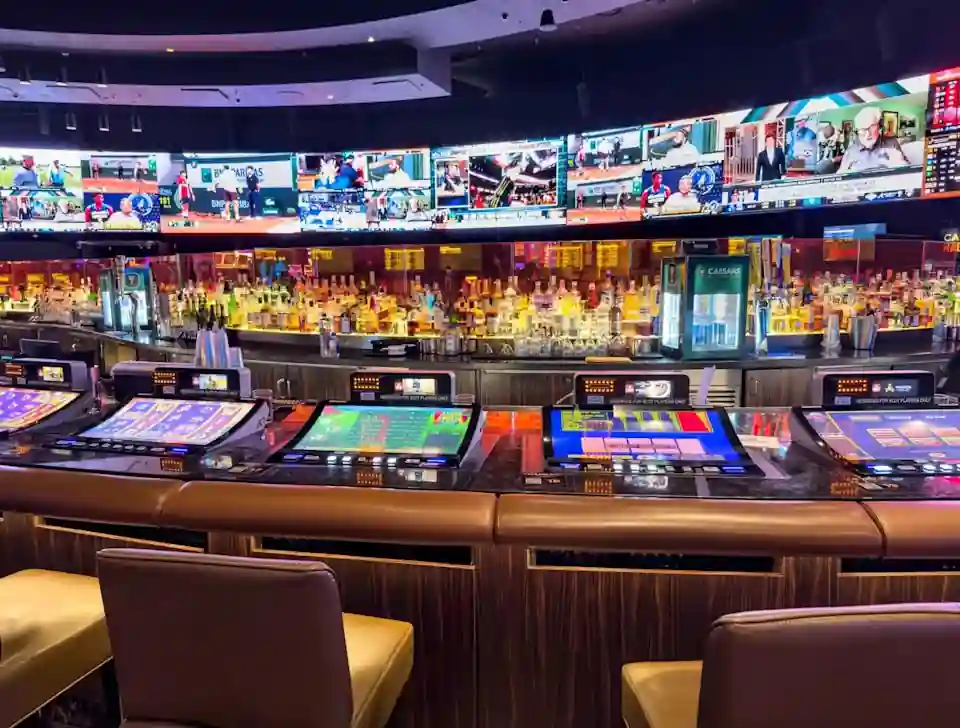

Caesars Entertainment has agreed to be acquired by Fertitta Entertainment in a $17.6 billion deal that would take one of America’s best-known casino operators private and give Tilman Fertitta a much larger seat at the center of the U.S. gaming industry.
The agreement values Caesars’ equity at about $5.7 billion, with Fertitta also taking on close to $12 billion of the casino company’s debt. Caesars shareholders are set to receive $31 per share in cash, a price that represents an 8% premium to the company’s previous closing price and a 49% premium to where the stock traded before takeover speculation began in February.
For Caesars, the deal is more than a change in ownership. It marks another major turn for a company whose name has been tied to Las Vegas for decades. Caesars Palace opened on the Strip in 1966 and became one of the city’s most recognizable casino resorts, though the company’s roots stretch back to Reno, Nevada, in the 1930s.
Fertitta Entertainment, best known for Golden Nugget casinos and restaurant brands such as Morton’s The Steakhouse, Rainforest Cafe and Landry’s, is buying far more than a casino name. The transaction would give Fertitta control of a nationwide gaming platform with roughly 60 casino resorts and gaming properties, along with Caesars’ digital betting operations.
That digital side is an important part of the story. Caesars has spent heavily in recent years to build Caesars Sportsbook, iCasino and online poker operations. The company also has retail sports betting exposure through the William Hill brand at more than 200 third-party locations. For Fertitta, those assets offer a faster route into a national betting market that has become increasingly competitive.
The acquisition also joins Caesars’ casino and loyalty network with more than 600 Fertitta Entertainment venues, including restaurants, hotels, amusement attractions, entertainment destinations and aquarium properties. That gives the combined company several ways to cross-sell customers across casino stays, dining, live entertainment and online gaming.
Debt will remain one of the biggest issues after the deal. Caesars has carried a heavy balance sheet for years following restructuring and merger activity, and Fertitta’s agreement includes the assumption of nearly $12 billion in debt. That makes cash flow from Las Vegas, regional casinos and digital betting especially important if the combined business wants to keep investing while managing leverage.
The transaction is not final yet. Caesars has a “go-shop” period through July 11, 2026, which allows the company and its advisers to look for competing offers. That provision leaves open the possibility of a higher bid from another casino operator, private equity buyer or entertainment group before shareholders vote on the deal.
Caesars’ board has approved the agreement and recommended that shareholders support it. The deal will still need shareholder approval, financing completion and regulatory clearance from gaming authorities before it can close.
Read More
The buyout also shows how casino companies are changing. Operators are no longer competing only on hotel rooms, table games and slot floors. Loyalty programs, mobile betting, restaurants, entertainment venues and customer data are now central to the business model. That broader shift is why large gaming companies are becoming more like full-scale entertainment platforms.
For readers tracking wider market moves, Swikblog has also covered investor focus on major U.S. market catalysts in its NASDAQ-100 and U.S. stock futures coverage.
Official deal details were reported by the Associated Press.

Make Swikblog your go-to source on Google for reliable updates, smart insights, and daily trends.