
By Swikriti News Desk
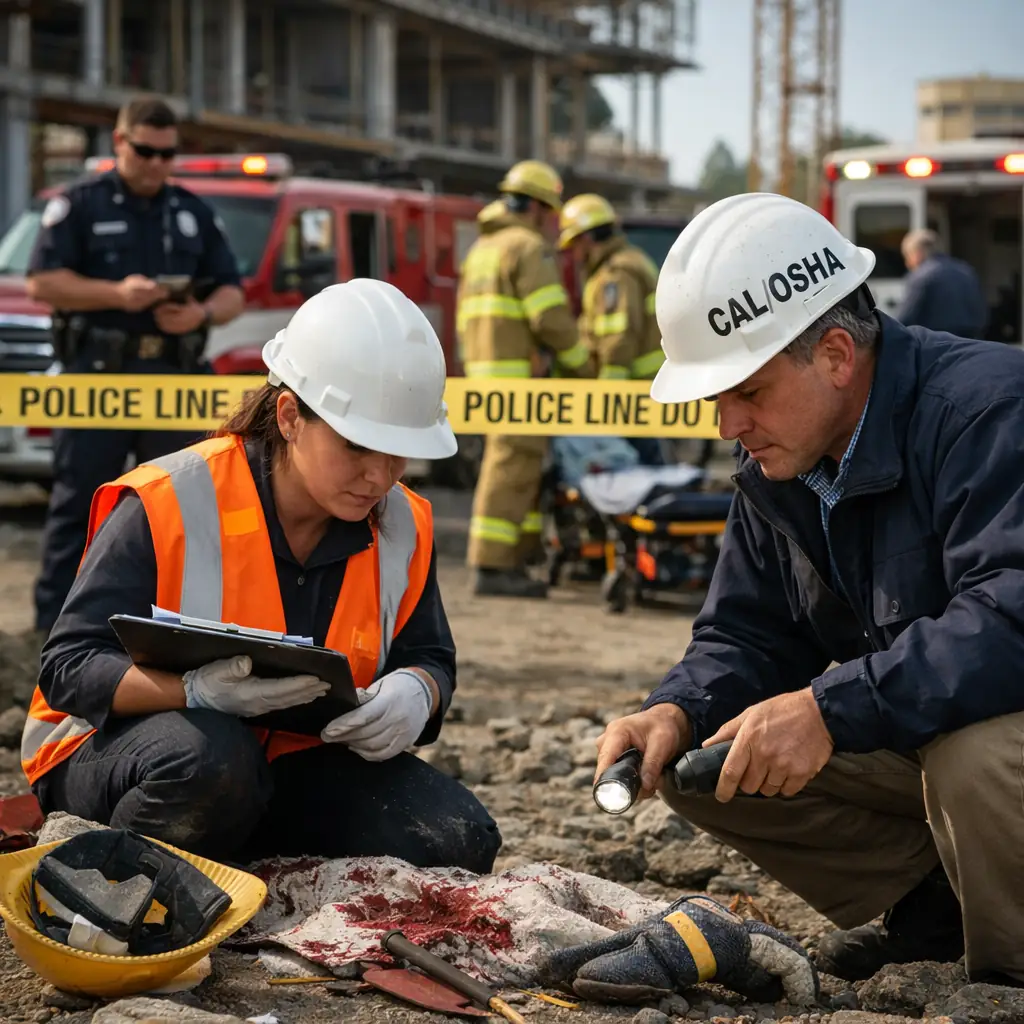
California is moving toward a major shift in how workplace accidents are investigated—and the change could bring criminal prosecutors into the picture far earlier than ever before.
A newly introduced bill, Assembly Bill 2321 (AB 2321), could require safety regulators to immediately alert district attorneys when serious workplace injuries or deaths occur. If passed, the legislation would significantly tighten oversight and potentially accelerate criminal investigations following workplace incidents.
The proposal, introduced by Assembly Member Liz Ortega, is already being closely watched by employers, legal experts, and compliance teams across industries.
A parallel investigation system could begin
At the heart of AB 2321 is a simple but powerful change. The bill would require Cal/OSHA’s Bureau of Investigations to “timely notify” local district attorneys whenever a case involves a serious injury or death—unless investigators determine there is legally insufficient evidence of a violation.
This requirement would apply not only to fatalities but also to cases involving permanent total disability, marking a significant expansion in how cases may be escalated.
What makes this proposal especially impactful is that it creates a parallel investigation structure. Instead of waiting for Cal/OSHA to complete its process, district attorneys could begin their own investigations at the same time as safety inspectors.
In practical terms, that means a workplace accident could trigger both regulatory and criminal scrutiny from day one.
Mandatory sharing of investigation data
AB 2321 would also require Cal/OSHA to share key materials with prosecutors. This includes accident reports, collected evidence, and investigation findings.
That level of access could allow district attorneys to build cases earlier and more effectively, especially in incidents where negligence or violations of workplace safety laws are suspected.
For employers, this raises the stakes significantly. Documentation, internal reports, and safety procedures could face simultaneous review from both regulators and prosecutors.
New rules for how cases are handled
The bill goes beyond referrals. It would require the Bureau of Investigations to establish formal written procedures covering:
- How workplace accident cases are reviewed
- When cases should be referred to district attorneys
- How decisions are justified when cases are not referred
- Guidelines for referring even certain non-fatal incidents
This adds a new layer of accountability within Cal/OSHA itself, ensuring that decisions around serious incidents are documented and consistent.
A key ambiguity: “permanent total disability”
One of the most debated elements of AB 2321 is its use of the term “permanent total disability.”
While the term is commonly used in California’s workers’ compensation system, it is not typically part of Cal/OSHA’s investigative framework. This creates uncertainty around how regulators will determine when a case meets the threshold for referral.
That ambiguity could have real consequences. A broader interpretation could lead to more cases being referred to prosecutors, while a narrower approach may limit the bill’s impact.
Why this matters for employers
If enacted, AB 2321 could reshape how companies respond to workplace accidents—especially in high-risk sectors like construction, manufacturing, logistics, and energy.
Employers may face:
- Faster escalation of incidents to criminal authorities
- Increased legal exposure in serious injury cases
- Simultaneous investigations from regulators and prosecutors
- Greater pressure to maintain detailed safety and compliance records
The shift could also change how companies handle the immediate aftermath of an incident. Legal teams may need to be involved earlier, and internal investigations may need to move faster and more carefully.
A broader shift in workplace enforcement
AB 2321 reflects a growing trend toward stronger workplace accountability. Lawmakers are increasingly focused on ensuring that serious safety failures are not treated solely as regulatory issues.
California, in particular, has a history of setting the tone for labor and safety laws across the United States. If this bill moves forward, it could influence how other states approach workplace accident investigations.
For official guidance on workplace safety standards and enforcement, employers can refer to the California Division of Occupational Safety and Health (Cal/OSHA).
What happens next
As of now, AB 2321 is still in its early legislative stage. The California Assembly has not yet held a formal hearing, conducted a full analysis, or taken a vote on the bill.
However, hearings are expected in April 2026, where lawmakers will examine the proposal in detail and consider potential revisions.
The outcome of those discussions will determine how aggressively California moves toward integrating criminal enforcement into workplace safety investigations.
What is already clear, however, is the direction of change. California is exploring a system where serious workplace accidents are treated with greater urgency—and where accountability may extend beyond fines and citations to potential criminal consequences.

Make Swikblog your go-to source on Google for reliable updates, smart insights, and daily trends.