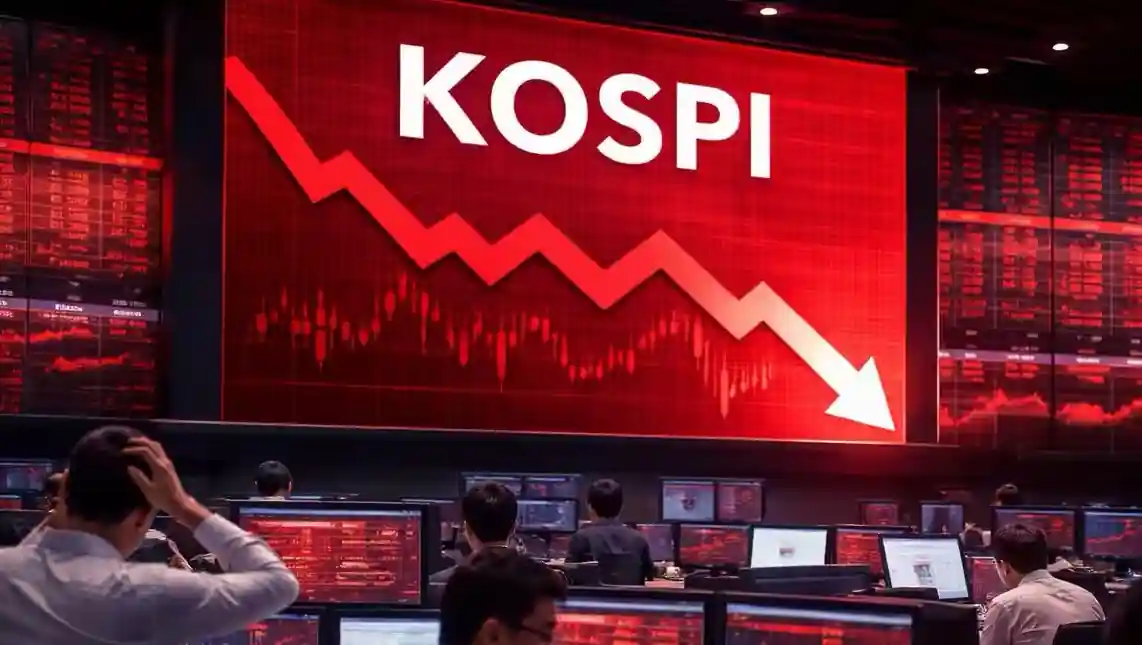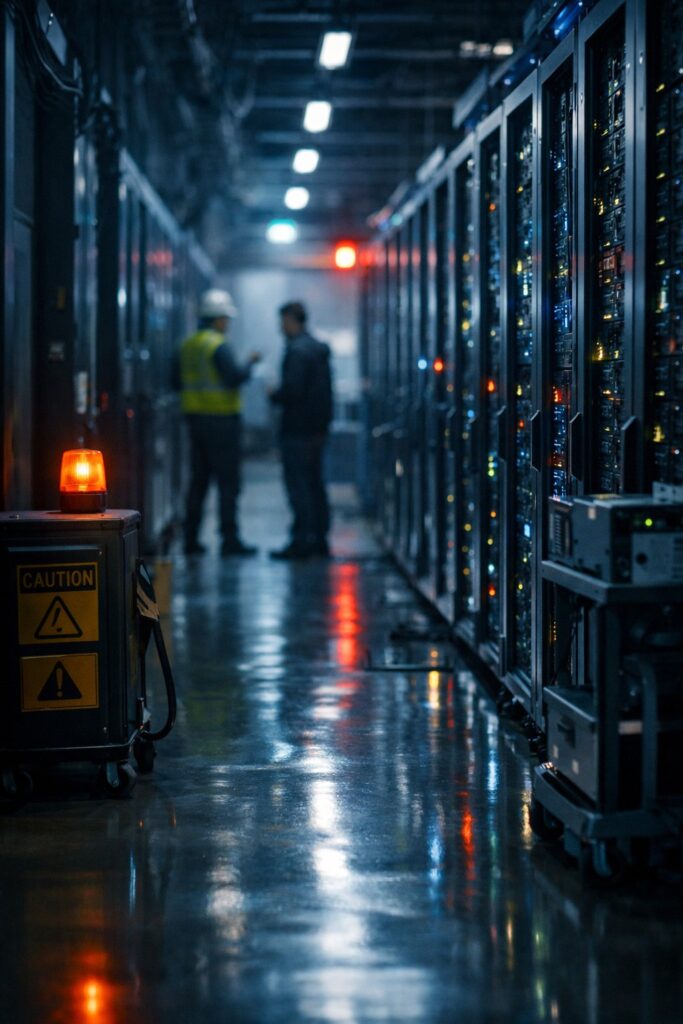

On Wall Street, CoreWeave’s sharp downturn has become more than a company-specific story. The dramatic reversal in fortunes for one of the most high-profile AI infrastructure providers is now fueling a broader debate: is the artificial intelligence boom hitting its first real stress test?
Once viewed as a prime beneficiary of surging demand for AI compute, :contentReference[oaicite:0]{index=0} has seen its valuation tumble rapidly, triggering fears that the massive investments underpinning the AI revolution may be more fragile than markets assumed.
📉 A Stunning Market Reversal
CoreWeave’s shares have fallen sharply from their mid-year highs, wiping tens of billions of dollars from its market value in a matter of weeks. The sell-off has unsettled investors because it follows a period of near-euphoria around companies building the physical backbone of AI — data centers, GPUs, power infrastructure, and high-speed networking.
According to analysis from Reuters, the decline reflects growing unease over whether today’s AI infrastructure spending can generate sustainable profits, rather than just eye-catching growth figures.
💰 Debt, Capital Intensity, and Investor Anxiety
At the heart of the concern is CoreWeave’s balance sheet. Building AI-ready data centers requires enormous upfront capital, and the company has relied heavily on debt to scale quickly. That strategy looked sound when funding was abundant and AI demand seemed limitless.
Now, with interest rates higher and investors scrutinizing cash flow more closely, leverage has become a liability. As The Wall Street Journal notes, the economics of AI infrastructure are unforgiving: hardware depreciates quickly, power costs are rising, and delays can push profitability further into the future.
🏗️ Execution Risks and Data Center Delays
Operational challenges have added to market nerves. Delays at key data center projects — including weather-related and design issues — have raised questions about whether ambitious expansion timelines were overly optimistic.
In an industry where contracts and revenue recognition depend on facilities coming online precisely as planned, even short delays can ripple through earnings forecasts. Analysts cited by the Financial Times warn that execution risk is becoming one of the biggest underappreciated threats in the AI supply chain.
👥 Customer Concentration Adds Pressure
Another issue amplifying concern is customer concentration. CoreWeave relies on a small group of hyperscale clients for a large share of its revenue. While those customers remain committed to AI, any pause, renegotiation, or shift in strategy can disproportionately affect suppliers.
This dynamic has prompted investors to question whether AI infrastructure providers truly have pricing power — or whether they are locked into capital-heavy commitments with limited room for error.
📊 Why This Matters for the Entire AI Boom
CoreWeave’s downturn is increasingly being viewed as a bellwether for the broader AI infrastructure sector. The AI revolution is real, but markets are beginning to distinguish between demand growth and economic durability.
- AI demand remains strong, driven by enterprises, governments, and consumer platforms.
- Profitability is less certain, especially for companies carrying heavy debt loads.
- Capital discipline is back, with investors favoring balance-sheet strength over pure expansion.
Breakingviews commentary from Reuters has described the current moment as a potential “credit reckoning” for AI infrastructure — not a collapse of AI itself, but a reset in how growth is financed.
🔮 Is This a Warning or a Wake-Up Call?
Some analysts argue that CoreWeave’s troubles are company-specific, driven by aggressive leverage and execution challenges rather than a collapse in AI demand. Others see it as an early warning that the AI infrastructure boom, much like past tech cycles, may have overshot economic reality.
What seems clear is that the era of unquestioned optimism is fading. As the AI industry matures, markets are demanding proof that massive investments can translate into durable returns — not just impressive headlines.
For investors, policymakers, and tech leaders alike, CoreWeave’s stumble may mark the moment when the AI boom entered its more sober, more selective phase.
You May Also Like

Make Swikblog your go-to source on Google for reliable updates, smart insights, and daily trends.