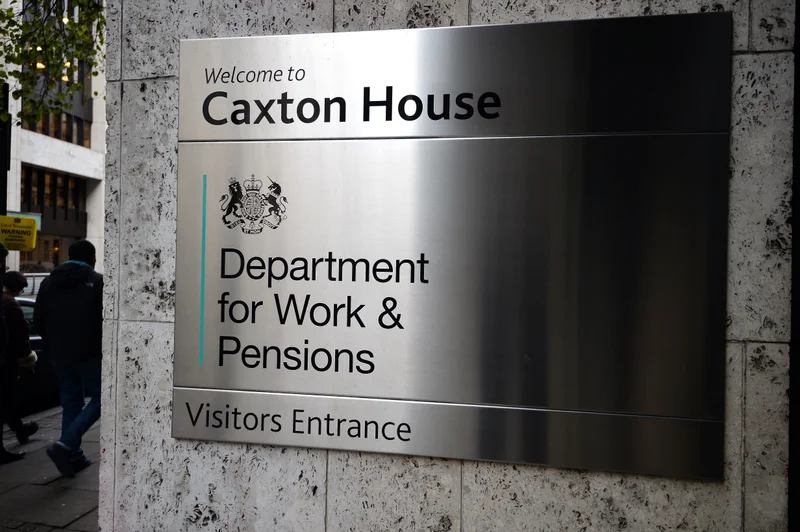

Millions of UK households are set for a major money shake-up this April as the Department for Work and Pensions (DWP) brings forward benefit payments due to Easter bank holidays, while also rolling out fresh increases including a £241 weekly State Pension.
The changes will affect Universal Credit, State Pension, PIP, DLA, Child Benefit and more. For many claimants, payments will arrive earlier than expected — but that also means the money will need to last longer before the next cycle.
Alongside this, benefit rates are rising across the board, with some payments increasing by up to 6.2% and pensioners gaining up to £575 annually.
Why DWP Payments Are Moving to April 2
The shift is due to the Easter bank holidays in April:
- Good Friday – April 3
- Easter Monday – April 6
If your benefit payment is due on either of these dates, you will instead receive it on Thursday, April 2.
This applies to most DWP benefits, including:
- Universal Credit
- State Pension
- Personal Independence Payment (PIP)
- Disability Living Allowance (DLA)
- Attendance Allowance
- Child Benefit
- Pension Credit
According to official guidance on GOV.UK, payments falling on bank holidays are usually made on the working day before — making April 2 the key date this year.
£921 Early Payment Explained Before Easter
Some pensioners could receive payments of up to £921 before Easter, depending on their entitlement and payment cycle. However, this is not extra money — it is simply being paid earlier due to the bank holidays.
This creates a key challenge: claimants may need to stretch that payment over a longer period than usual.
With two bank holidays close together, April creates one of the longest gaps between payments for some households.
Who Will See Their Payment Date Change
For State Pension claimants, payment days depend on the last two digits of your National Insurance (NI) number:
- 00–19 → Monday
- 20–39 → Tuesday
- 40–59 → Wednesday
- 60–79 → Thursday
- 80–99 → Friday
The groups most affected are:
- Those paid on Monday (00–19)
- Those paid on Friday (80–99)
Both will receive their payments early on Thursday, April 2.
Those paid Tuesday to Thursday should receive their money as normal without disruption.
State Pension Rises to £241.30 a Week
From April 2026, the State Pension will increase by 4.8% under the triple lock system.
- New State Pension: £230.25 → £241.30 per week
- Basic State Pension: £176.45 → £184.90 per week
This means:
- Up to £575 extra per year for new pension recipients
- Around £439 annual increase for those on the basic pension
The full annual State Pension will now reach approximately £12,547, providing some relief amid rising household bills.
Important Timing Warning on Pension Increase
Despite the increase starting in April, many claimants will not see the higher rate immediately.
Because the early payment on April 2 is issued before the new financial year fully takes effect, it may still be calculated at the old rate.
This means pensioners may need to wait until later in April or even May before seeing the full increased payment in their bank account.
Universal Credit and Benefit Increases Up to 6.2%
Other benefits are also rising from April:
- Most inflation-linked benefits: +3.8%
- Universal Credit: around +6.2%
Examples of new Universal Credit rates:
- Single under 25: £316.98 → £338.58
- Couples under 25: £497.55 → £528.34
- Joint claimants over 25: £628.10 → £666.97
Child elements are also increasing:
- First child (pre-2017): £339 → £351.88
- Other children: £292.81 → £303.94
Additional support payments like PIP, DLA and Attendance Allowance will also rise in line with inflation.
Cost of Living Pressure Still a Major Concern
Despite these increases, many households continue to struggle. Research shows around 63% of UK households have cut back on essentials due to rising costs.
April also brings higher bills, including:
- Council tax increases
- Water bill rises
- TV licence fee changes
This means the benefit increase may be offset by higher living costs for many families.
What Claimants Should Do Now
With multiple changes happening at once, planning ahead is crucial.
- Check your normal payment date
- Confirm if your payment will arrive on April 2
- Budget carefully as the payment may need to last longer
- Do not expect the increased rate in the first early payment
If a payment does not arrive as expected, claimants can contact DWP support, although lines may be closed on bank holidays.
For full details on benefit payments and eligibility, visit UK benefits and financial support.
April 2026 brings a rare combination of early payments and higher benefit rates. While millions will benefit from increases like the £241 weekly State Pension, the early April 2 payment means households must manage their money carefully.
The key takeaway is simple: you are being paid earlier, not more — at least at first. The real gains from the April increases will follow in later payments.

Make Swikblog your go-to source on Google for reliable updates, smart insights, and daily trends.