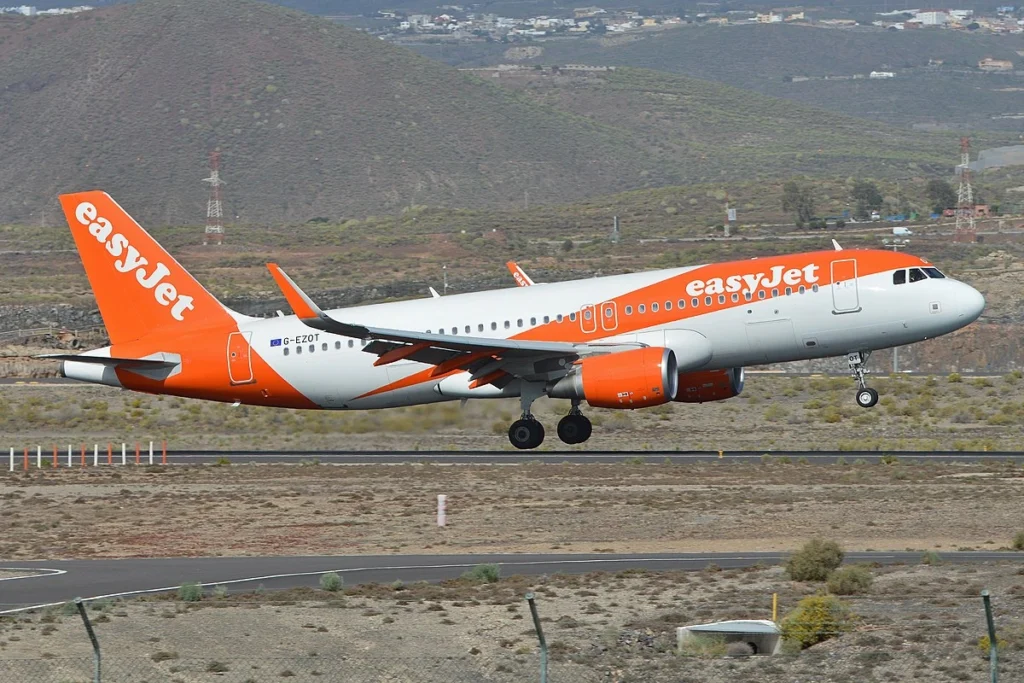

EasyJet is entering the peak summer travel season with a more cautious message for investors and holidaymakers: demand has not disappeared, but travellers are no longer booking with the same confidence seen last year.
The airline said summer bookings are currently behind 2025 levels as the Iran conflict adds a fresh layer of uncertainty to Europe’s travel market. The biggest shift is not a collapse in demand, but a shorter booking window. Customers are still buying flights, yet many are waiting until much closer to departure before confirming their plans.
That change matters for EasyJet because summer is the period when European airlines usually recover from weaker winter months. The company reported a pre-tax loss of £552 million for the six months to March 31, widening from a £394 million loss a year earlier. Airlines often post losses in the first half, but this year’s recovery depends heavily on whether late bookings remain strong enough to offset softer early demand.
Fuel has become the biggest pressure point. EasyJet said it faced an unexpected £25 million fuel cost hit in March after the Middle East conflict pushed aviation fuel prices higher. The company has hedged 72% of its fuel needs through September, giving it some protection during the busy summer period, but it has paused short-term hedging because near-term fuel prices remain elevated.
To protect margins, EasyJet has raised minimum fares and started reviewing discretionary costs. That could make summer travel more expensive for customers already watching household budgets closely.
Despite market concern over jet fuel supplies, chief executive Kenton Jarvis has tried to calm passengers. He said EasyJet is not seeing fuel shortages at its airports and expects to operate its full summer schedule. The airline also said it has normal visibility over fuel supplies on a rolling four-week basis.
Jarvis argued that fuel sourcing has become more diversified, with supply coming from regions such as Norway, the Americas and West Africa. That diversification is important because the Strait of Hormuz remains a major concern for global energy markets. Any prolonged disruption there could keep fuel prices under pressure and raise costs for airlines across Europe.
Fuel is one of the aviation industry’s largest operating expenses, according to the International Air Transport Association, which makes sudden price swings especially difficult for low-cost carriers that compete on affordable fares.
EasyJet has already reviewed its summer flying programme once since the conflict began, making a small 0.3% net reduction in seats. However, the airline now says it intends to run its full summer schedule as planned and does not expect further cancellations linked to fuel concerns.
One stronger part of the business remains EasyJet Holidays. The package holiday division reported a 22% rise in customer numbers in the six months to March. That suggests travellers are not abandoning holidays altogether, but many may prefer bundled trips where flights, hotels and pricing feel more predictable.
Read More
The company’s comments also reflect a wider pattern across the travel sector. Other operators have reported that customers are booking closer to departure as they monitor fuel prices, conflict headlines and possible disruption. For airlines, that creates a harder planning environment because revenue visibility becomes less clear during the most important part of the year.
EasyJet is also dealing with wider operational pressure at European airports. Jarvis criticised long border queues linked to the EU’s new Entry-Exit System, urging authorities to use available flexibility to reduce delays during bank holiday and school break travel peaks.
For passengers, the immediate message is that EasyJet is still flying normally. For investors, the story is more complicated. The airline has demand, but it is facing higher fuel costs, later bookings, cautious consumers and less certainty over summer profitability.
You may also like: EasyJet Leaves 100+ Passengers in Milan as EU Border Chaos Triggers 3-Hour Queues
EasyJet’s latest update shows how quickly geopolitical risk can move from energy markets into holiday planning. The airline may avoid fuel shortages and major cancellations, but the bigger challenge is restoring traveller confidence before the most profitable weeks of summer arrive.

Make Swikblog your go-to source on Google for reliable updates, smart insights, and daily trends.