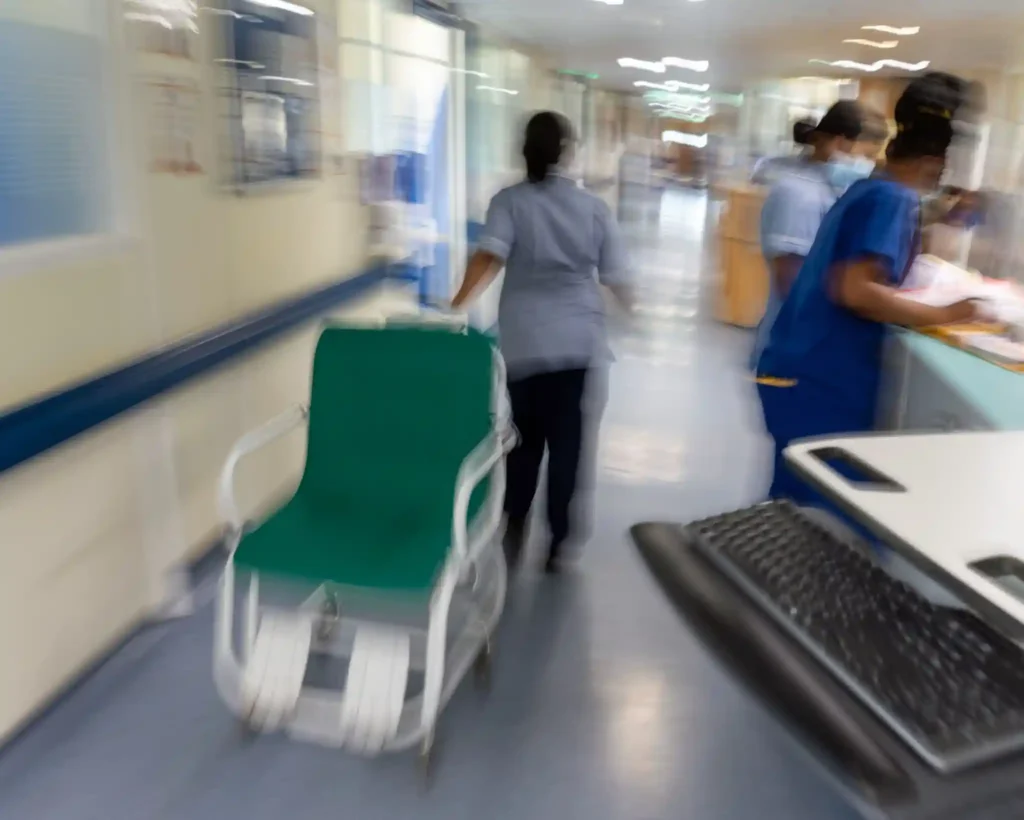

England’s NHS is under increasing pressure as repeated periods of extreme heat begin to affect not only patients but the hospitals themselves. Across several NHS trusts, high temperatures have contributed to equipment failures, cancelled procedures, disrupted diagnostic services and overheating clinical areas, raising fresh concerns about whether ageing healthcare buildings are prepared for hotter summers.
Health leaders say the challenge goes beyond treating more people with heat-related illness. Many hospitals rely on cooling systems to keep MRI scanners, operating theatres, laboratories, radiotherapy equipment and digital infrastructure within strict operating temperatures. When those systems struggle, routine healthcare can quickly be disrupted.
Recent heatwaves across England have exposed these vulnerabilities. Several trusts have reported problems ranging from MRI scanners temporarily shutting down to operating theatres becoming too warm for scheduled procedures, while some IT systems and specialist medical equipment have faced interruptions as cooling units came under strain.
Hospital cooling failures disrupt patient services
One of the most significant incidents occurred at Queen Alexandra Hospital in Portsmouth, where the failure of multiple chiller units led Portsmouth Hospitals University NHS Trust to declare a critical incident. Rising temperatures affected operating theatres, cardiac catheter laboratories, imaging departments and digital services, forcing the postponement of some planned treatments while emergency repairs were carried out.
Patients who still needed to attend appointments were advised to stay hydrated and bring drinking water as indoor temperatures remained unusually high in parts of the hospital.
Meanwhile, Norfolk and Norwich University Hospitals NHS Foundation Trust postponed hundreds of MRI appointments after excessive heat and humidity prevented cooling systems from keeping scanners within their safe operating range. Imaging services resumed only after engineers restored suitable conditions.
Other NHS organisations have reported similar issues involving ageing air-conditioning systems, overloaded chillers and buildings that were not originally designed to cope with today’s increasingly frequent heatwaves.
Why hospital equipment cannot operate in extreme heat
Modern medical equipment generates large amounts of heat during normal operation. MRI scanners, CT scanners, radiotherapy machines, pathology laboratories, pharmacy storage facilities and hospital data centres all depend on carefully controlled indoor temperatures.
If cooling systems fail or room temperatures exceed recommended limits, equipment may automatically shut down to prevent damage or inaccurate results. That can delay scans, laboratory testing, cancer treatment and scheduled operations.
Some hospitals have introduced temporary energy-saving measures during periods of extreme heat, asking staff to switch off unnecessary computers, lighting and electrical equipment to reduce the load on cooling systems.
Unlike winter pressures, when hospitals mainly experience increased patient numbers, heatwaves can reduce available healthcare capacity at exactly the same time emergency demand begins to rise.
Emergency departments face growing demand during heatwaves
Ambulance crews and emergency departments have reported more patients suffering from dehydration, heat exhaustion, fainting episodes and other illnesses linked to prolonged exposure to high temperatures. Older adults, young children and people with chronic health conditions remain among those at greatest risk.
In some hospitals, ward temperatures have reportedly approached 35°C, making clinical environments more challenging for both patients and healthcare staff. Warm overnight conditions have added further pressure by reducing recovery time for frontline workers between shifts.
The London Ambulance Service confirmed it handled 642 Category 1 emergency calls during one day of the recent heatwave—the highest daily total of immediately life-threatening incidents in the service’s history. Category 1 calls include cardiac arrests and patients who are not breathing.
NHS England continues to advise healthcare providers to activate Heat-Health Alert plans whenever prolonged hot weather threatens patient safety or disrupts essential services.
Households looking for affordable ways to stay comfortable during hot weather can find practical options in this guide to Aldi’s £14.99 portable air cooler.
Read More
Experts say hospitals need stronger climate resilience
Medical organisations have increasingly warned that extreme heat should now be treated as a major operational risk for healthcare services rather than an occasional seasonal problem. Much of the NHS estate was built decades ago, before prolonged summer heatwaves became more common across the UK.
Dr Hilary Williams, Clinical Vice-President of the Royal College of Physicians, has said high temperatures can affect far more than patient comfort. Essential clinical services—including pathology laboratories, dialysis units, radiotherapy departments and hospital IT infrastructure—can all become vulnerable when buildings exceed safe operating temperatures.
She has also noted that portable fans are not suitable in every clinical setting because they may increase infection-control risks or create safety concerns in areas where oxygen is used.
The Department of Health and Social Care says NHS organisations are expected to maintain emergency plans that help protect patients and ensure essential healthcare continues during periods of severe weather.
Heatwaves are becoming an infrastructure challenge as well as a health issue
Recent disruptions show that climate resilience is becoming increasingly important across the NHS. Reliable cooling systems, resilient power supplies, modern ventilation and upgraded hospital buildings now play a direct role in maintaining patient care during extreme weather.
When diagnostic scanners stop working, test results can be delayed. If operating theatres become too warm, planned surgery may need to be postponed. Interruptions to radiotherapy equipment can affect cancer treatment schedules, while rising emergency call volumes place additional strain on ambulance services and emergency departments.
Healthcare leaders say long-term investment in hospital infrastructure will be essential as hotter summers become more common. Improving cooling capacity and modernising ageing facilities could help reduce disruption, protect critical equipment and maintain safe treatment for patients during future heatwaves.

Make Swikblog your go-to source on Google for reliable updates, smart insights, and daily trends.