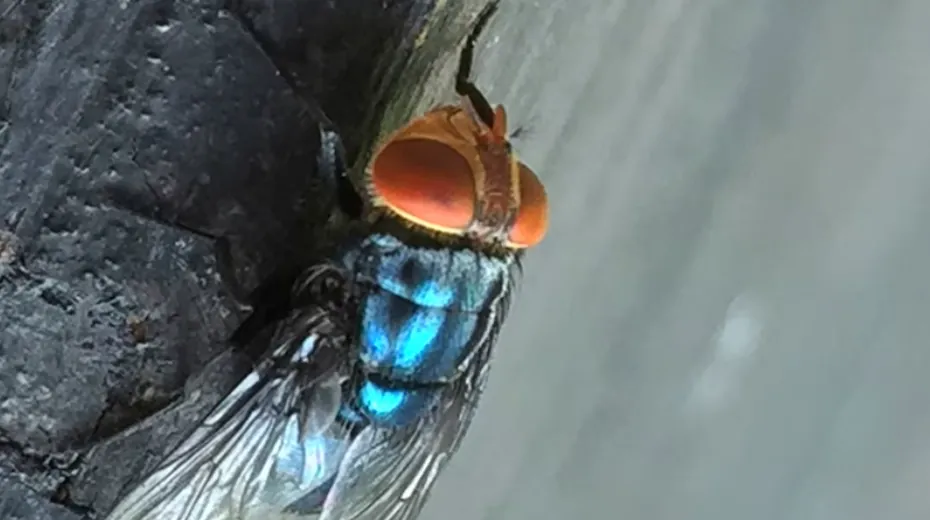

The reappearance of the flesh-eating New World screwworm fly in Texas has raised fresh concerns across the United States livestock industry after officials confirmed an infestation in a three-week-old calf near La Pryor, roughly 80 kilometres from the Mexican border. The case is the first confirmed detection in Texas since 1966 and comes after months of warnings from agricultural authorities tracking the parasite’s spread through Mexico.
The New World screwworm fly is considered one of the most destructive livestock pests in the Western Hemisphere because its larvae feed on living tissue rather than dead material. Female flies lay eggs in open wounds, and once the larvae hatch, they burrow deeper into flesh, causing severe infections that can be fatal if left untreated.
The threat extends beyond cattle. Any warm-blooded animal can become infected, including sheep, goats, horses, wildlife, pets and, in rare cases, humans. Ranchers say even wounds as small as a tick bite can create an entry point for the parasite.
Why the Texas Detection Is Significant
The discovery has alarmed livestock producers because Texas is the nation’s largest cattle-producing state, accounting for approximately $17 billion of the US cattle industry. Nationwide, the cattle sector is valued at around $113 billion, making the containment of the parasite a top priority for federal and state officials.
The screwworm had largely been pushed out of North and Central America through a decades-long sterile fly program. For years, outbreaks were contained near Panama, but officials reported a renewed spread beginning in 2023. Cases expanded into Costa Rica and Nicaragua before reaching Mexico in late 2024.
According to the US Centers for Disease Control and Prevention, the parasite has infected more than 171,700 animals and approximately 2,000 people across Central America and Mexico. Health authorities have linked 10 human deaths to screwworm infestations during the outbreak.
The growing concern around flesh-eating organisms has attracted public attention in other recent incidents as well, including the Ford recall linked to a flesh-eating bacteria investigation, highlighting how serious such infections can become when left unchecked.
Read More
Quarantines, Sterile Flies and the Federal Response
Texas State Veterinarian Bud Dinges has established a 20-kilometre quarantine zone covering much of Zavala County and parts of neighbouring Uvalde County. Animals are prohibited from leaving the area unless they undergo inspection, while local authorities have established checkpoints to enforce restrictions.
The US Department of Agriculture has intensified its response by releasing millions of sterile flies across south Texas each week. Because female screwworm flies typically mate only once during their lives, mating with a sterile male prevents reproduction and gradually reduces wild populations.
The USDA has already invested $21 million in a new sterile-fly production facility in southern Mexico and is spending approximately $750 million on a major production centre in Texas capable of producing up to 300 million sterile flies each week when completed.
Researchers also point to climate change as a possible factor behind the pest’s northward movement. Warmer temperatures may be expanding suitable habitats while reducing the cold-weather events that historically limited screwworm survival.
Officials stress that the parasite does not contaminate meat products and is not expected to disrupt beef supplies. However, with wildlife capable of carrying the pest across large distances, authorities remain focused on preventing a single Texas case from becoming a larger outbreak. Additional information about the response and animal health guidance is available through the USDA Animal and Plant Health Inspection Service.

Make Swikblog your go-to source on Google for reliable updates, smart insights, and daily trends.