Flu is climbing again in parts of England, with local reports (including Greater Manchester) warning of busier GP surgeries and mounting pressure on hospitals. This isn’t the return of lockdown life — there are no new mandates — but it is a reminder that seasonal viruses can still hit hard when winter routines, crowded transport, and tired immune systems collide. If you’re wondering what to look out for, what’s worth doing (and what isn’t), here’s a practical UK guide.
Why flu spreads faster in winter
Flu thrives in winter for a few simple reasons. People spend more time indoors with windows closed. Public transport, shopping centres, offices, and festive events bring bigger crowds into smaller spaces. Cold, dry air can also irritate airways and make it easier for respiratory viruses to take hold. Add in less sleep, end-of-year stress, and busy social calendars, and it becomes harder to spot when a “small sniffle” is the start of something more.
In some years, flu arrives in a steady wave. In others, it clusters — one area sees a sharp rise, then it spreads. That’s why you may notice local headlines about surges (for example in Greater Manchester) even if your own street feels normal. It’s a moving picture, not a single national switch.
Common flu symptoms vs “just a cold”
A cold often creeps in gradually. Flu is more likely to feel like you’ve been hit all at once. Typical flu symptoms include a sudden fever, chills, a dry cough, muscle aches, headache, and exhaustion that makes basic tasks feel heavy. Some people also get a sore throat or a runny nose, but the defining feature is usually how quickly you feel unwell.
If you’re generally healthy, flu can still flatten you for several days. The bigger concern is for people at higher risk — older adults, pregnant people, young children, and those with long-term health conditions such as asthma, heart disease, diabetes, or weakened immune systems.
What “winter pressure” actually means for the NHS
When flu spreads, it doesn’t only increase patient numbers. It also reduces staffing. If more NHS staff are unwell at the same time, capacity tightens in wards, A&E, and urgent care. That can mean longer waits, delayed non-urgent appointments, and more pressure on GP phone lines.
This is why vaccination uptake among NHS staff gets discussed so often: it’s not simply a personal health choice. It affects resilience across the system. Even a modest reduction in staff illness can help services run more smoothly during peak weeks.
Are masks “back” in the UK?
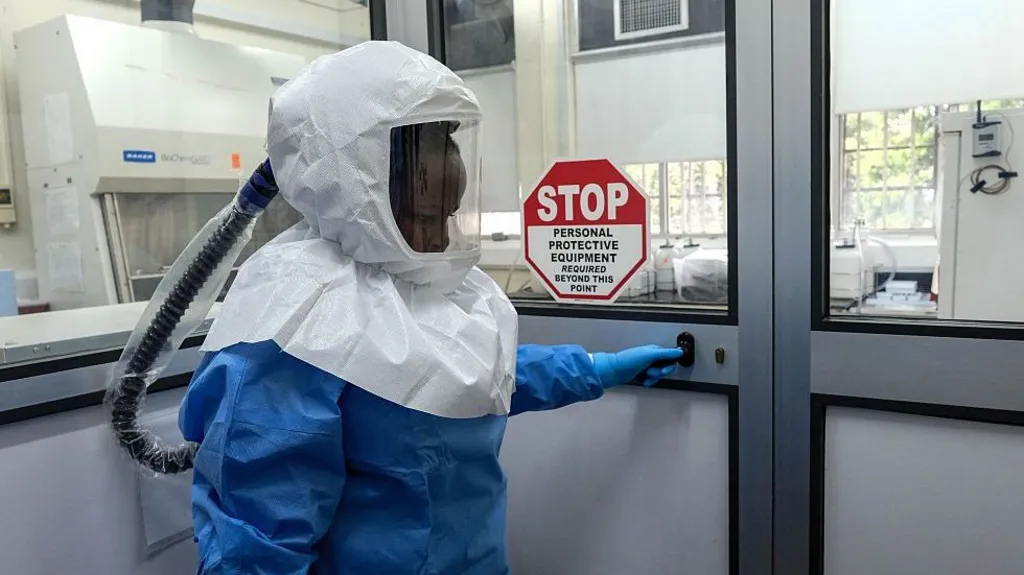
You’ll notice more people wearing masks again in certain places — hospital corridors, GP waiting rooms, buses, and packed trains — but it’s largely voluntary. For many, it’s become a practical habit: a small step to reduce catching (or passing on) a respiratory virus when you can’t avoid close contact.
In the UK, mask-wearing is increasingly treated like covering your mouth when you cough: not a dramatic statement, just basic consideration in high-risk settings. If you’re visiting someone vulnerable, travelling while sniffly, or sitting in a crowded waiting room, wearing a mask can be a low-effort way to lower transmission risk.
The single most useful “traffic-light” guide
If you want one simple way to make sensible decisions, use a traffic-light approach:
Green: Mild symptoms, no fever, you feel mostly fine. Rest, fluids, and keep an eye on changes.
Amber: Fever, significant aches, a worsening cough, or you’re struggling to get through normal daily activities. Stay home if you can, avoid visiting vulnerable people, and consider speaking to a pharmacist about symptom relief.
Red: Breathing difficulties, chest pain, blue lips, severe dehydration, confusion, or symptoms that rapidly worsen — especially in older adults, babies, or people with health conditions. Seek urgent medical advice.
Flu jab: who should get it in the UK?
The flu vaccine won’t stop every infection, but it can reduce the risk of severe illness and complications. In the UK, the NHS offers the flu jab to eligible groups (including many older adults, some children, pregnant people, carers, and people with certain health conditions). If you’re not sure whether you qualify, the easiest step is to check the official NHS guidance and book through your GP surgery or a participating pharmacy.
For eligibility details and practical advice, see the NHS flu information page here: NHS: Flu.
What you can do this week to cut your risk
If flu is rising in your area, the goal isn’t to live in fear — it’s to reduce avoidable exposure:
* Wash hands after travel, shopping, and before eating (simple, still effective).
* Open a window for a few minutes in shared indoor spaces (ventilation matters).
* If you’re coughing or feverish, avoid close contact with older relatives or anyone immunocompromised.
* Consider a mask in crowded indoor places, especially if you’re visiting healthcare settings.
* Prioritise sleep and hydration — fatigue makes everything worse.
Greater Manchester and local surges: what to do if your area is mentioned
When a region is flagged in the news, it usually means local clinicians are seeing more cases, not that the entire area is “unsafe”. Use it as a cue to be a bit more careful for a couple of weeks: book your flu jab if eligible, avoid unnecessary visits to vulnerable people if you’re unwell, and keep an eye on household symptoms so you don’t pass flu along unknowingly.
What happens next
Flu waves often peak and ease, but the weeks around the busiest travel and social period can be unpredictable. The most useful mindset is simple: treat flu seriously, avoid spreading it, and take small steps that protect both your household and the NHS. You don’t need perfect behaviour — you just need better habits than “push through and hope”.
Quick note: This article is for general information only and is not medical advice. If you’re worried about symptoms or you’re in a high-risk group, follow official NHS guidance or seek professional medical support.
Related (Swikblog): £10 to Say Goodbye: Why Gatwick’s Drop-Off Fee Has Touched a Nerve

Make Swikblog your go-to source on Google for reliable updates, smart insights, and daily trends.