London stocks drifted near flat on Monday, with the FTSE 100 hovering around 10,687, as investors recalibrated positions following President Donald Trump’s move to raise the baseline US tariff rate to 15%. The renewed trade tension revived demand for havens, sending gold above $5,170 an ounce at one stage and lifting precious-metals miners in early dealings.
The UK benchmark oscillated between modest gains and losses in the opening hours, reflecting a broader pattern across Europe as markets weighed the durability of the latest US tariff framework. While last week’s Supreme Court ruling against earlier sweeping duties initially supported equities, the weekend escalation has injected fresh uncertainty into global trade expectations.
FTSE 100 steadies after early dip
The FTSE 100 traded within a narrow intraday band, roughly between 10,660 and 10,692, after closing the previous session at 10,686.89. The muted move masked significant sector rotation beneath the surface, with defensives and commodities outperforming more cyclical names.
Market participants said the reaction was less about the numerical shift from 10% to 15% and more about policy unpredictability. Investors are still assessing whether the higher levy will face additional legal or political hurdles and how long it might remain in place.
Under Section 122 authority — widely cited in weekend briefings — such tariffs are time-limited, meaning further congressional action could be required later in the year. That potential policy cliff edge is keeping volatility expectations elevated.
Gold rallies as risk sentiment softens
The clearest directional move came from bullion. Gold futures climbed as much as 1.7% to trade above $5,170 before paring gains. Spot prices also strengthened, reflecting renewed demand for defensive positioning amid geopolitical and trade friction.
The move supported London-listed miners, which ranked among the strongest performers on the index. Higher bullion prices typically amplify earnings expectations for producers due to operational leverage, and traders rotated quickly into the sector as equity risk appetite cooled.
Institutional flows into gold futures can be tracked through benchmark contracts on CME Group, which showed a pickup in activity following the tariff announcement.
Europe mirrors cautious tone
Across the continent, sentiment was similarly restrained. Germany’s DAX edged lower, France’s CAC 40 traded marginally softer after a recent rebound, and the pan-European STOXX 600 slipped as traders assessed potential knock-on effects for export-heavy sectors.
Currency markets reflected a degree of dollar softness. Sterling rose roughly 0.3% against the US currency to trade just above $1.35, though it remains down over the past week. A firmer pound can temper gains for multinational FTSE constituents that generate revenues overseas.
Johnson Matthey slides on deal revision
Stock-specific action was more pronounced in the mid-cap space. Johnson Matthey tumbled nearly 15% after agreeing to reduce the agreed sale price of its Catalyst Technologies division to Honeywell to about £1.325bn, down from the previously announced valuation.
The company cited deferred projects and a challenging operating environment in explaining the adjustment. While management reaffirmed plans to return around £1bn to shareholders through a combination of a special dividend and share buybacks, the repricing underscored investor sensitivity to execution risk in the current macro backdrop.
The decline in Johnson Matthey weighed on the FTSE 250, which underperformed the blue-chip index in early trading.
US futures signal softer Wall Street open
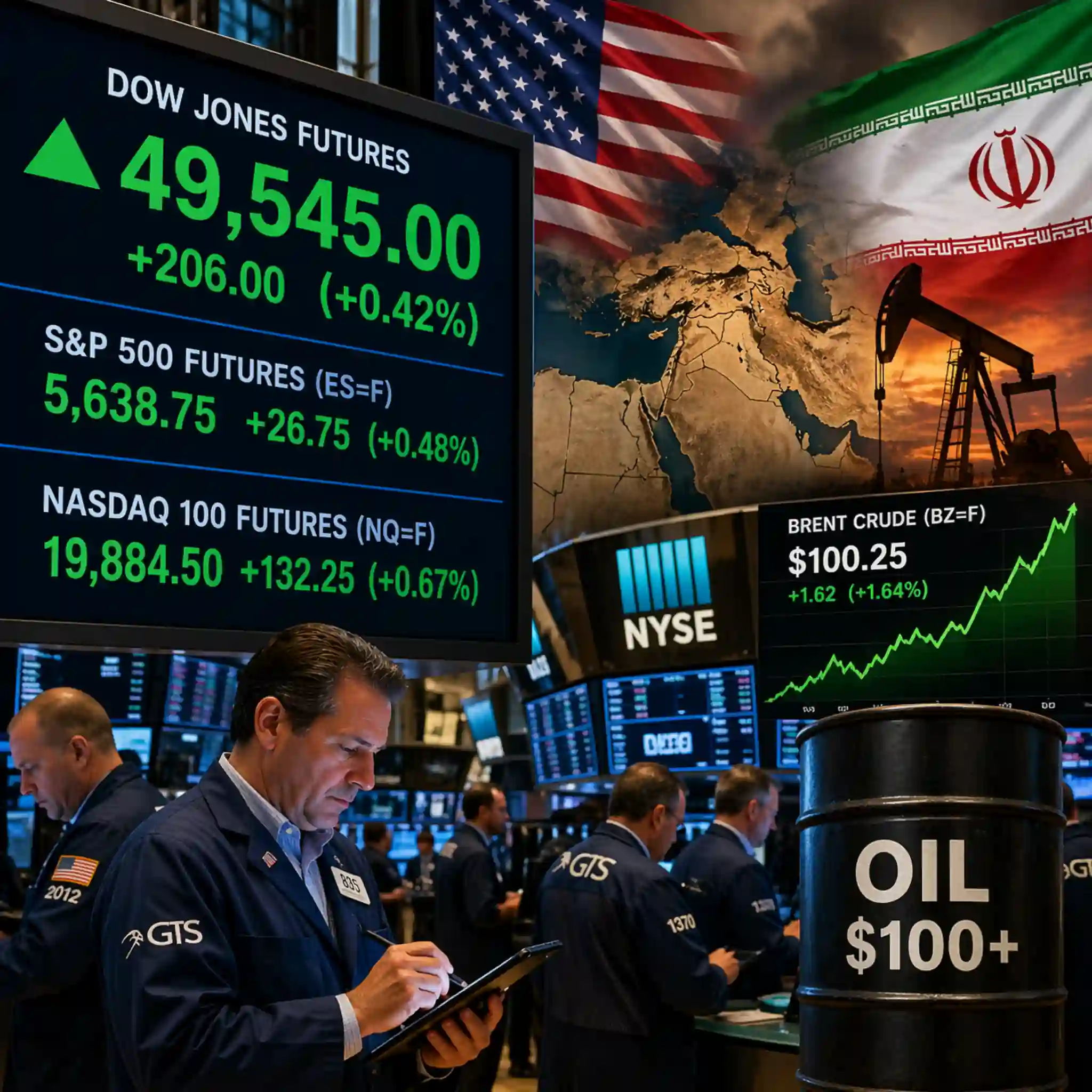
Futures tied to major US benchmarks pointed lower ahead of the New York session, suggesting the tariff reset could temper last week’s risk rally. Traders are also bracing for a key stretch of corporate earnings, with major technology names due to report later in the week.
Market strategists noted that tariff-driven volatility tends to feed directly into inflation expectations and bond yields, creating cross-asset spillovers that can amplify moves in equities and commodities alike.
For now, the FTSE 100’s ability to hold near 10,687 signals resilience rather than conviction. Investors are balancing supportive commodity strength against the prospect of renewed trade friction between the world’s largest economies.
Whether the index can sustain momentum toward last week’s highs may depend less on domestic UK data and more on the next signal from Washington — and on how global partners respond to the revised tariff framework.
You May Also Like
- Wall Street futures fall as Nasdaq drops after Trump’s 15% tariff move
- Johnson Matthey share price dips after £1.325bn Honeywell deal revision

Make Swikblog your go-to source on Google for reliable updates, smart insights, and daily trends.