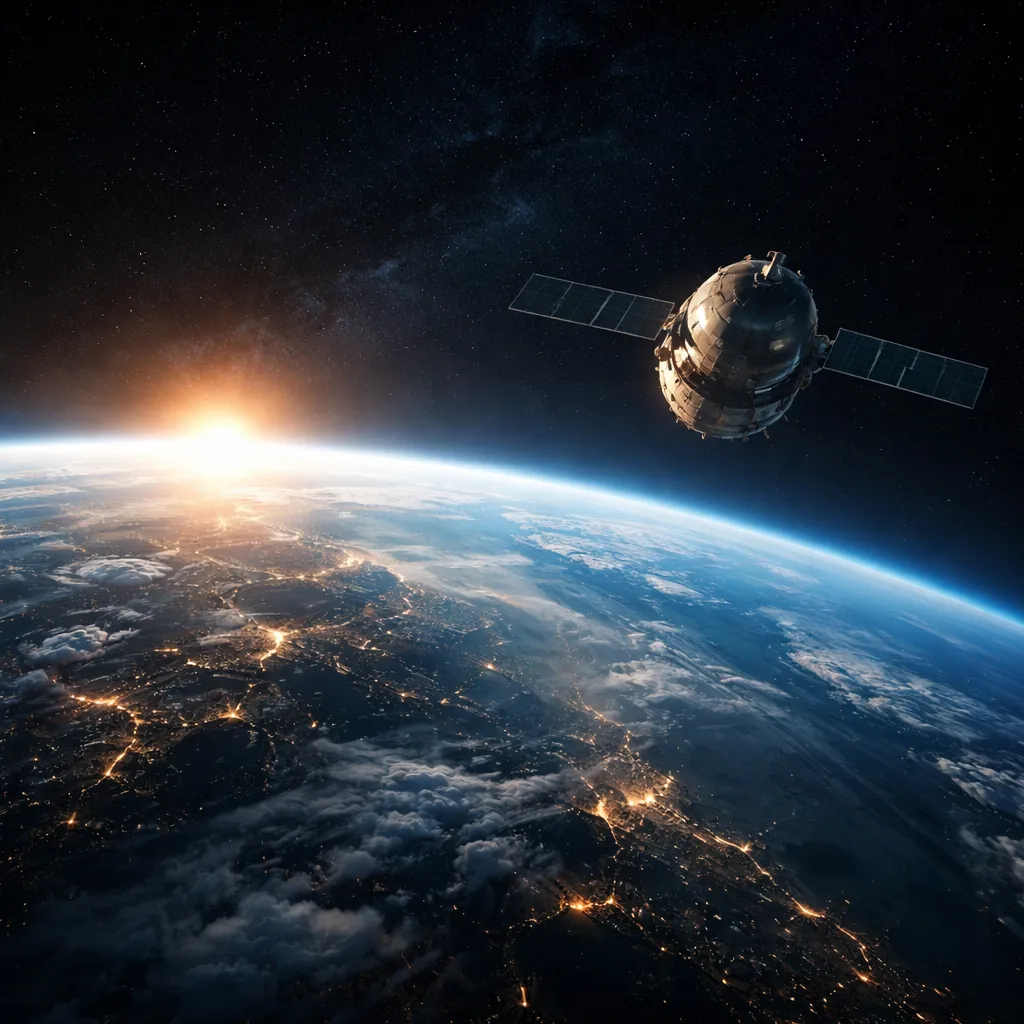

On April 12, 1961, a Soviet pilot named Yuri Gagarin took off aboard Vostok 1 and completed a journey that lasted just 108 minutes. It may sound brief by today’s standards, but that single orbit around Earth marked the beginning of something extraordinary. More than six decades later, that moment is remembered globally as the start of human space exploration — and the foundation of a space industry now valued in the hundreds of billions.
International Day of Human Space Flight 2026 brings that story back into focus. Observed every year on April 12, the day was officially established by the United Nations General Assembly in 2011 through Resolution A/RES/65/271. Its purpose is simple yet powerful: to celebrate the beginning of the space era for mankind and to reaffirm the role of space science in improving life on Earth while ensuring outer space remains a peaceful domain for all.
What makes this observance stand out in 2026 is not just the historical memory, but the scale of its impact. What began with one mission has grown into a global ecosystem that touches nearly every aspect of modern life — from navigation and communication to climate monitoring and disaster response.
From one orbit to a shared human legacy
Gagarin’s 108-minute flight was more than a technological achievement. It was a turning point in how humanity viewed itself and its place in the universe. For the first time, a human being saw Earth from space — a perspective that would later shape environmental awareness, global cooperation, and scientific ambition.
The decades that followed built on that moment with a series of milestones that defined modern space history. Valentina Tereshkova became the first woman in space in 1963, proving that space exploration was not limited by gender. In 1969, Neil Armstrong stepped onto the Moon, turning science fiction into reality. The Apollo-Soyuz mission in 1975 marked the first international human spaceflight, showing that even rival nations could collaborate in orbit. Later, the Space Shuttle Columbia’s launch in 1981 introduced reusable spacecraft, changing the economics of space missions.
Each of these achievements reinforced a central idea: space exploration is not the story of one country, but a shared human journey. That message continues to shape how international organizations approach space today.
The United Nations has consistently emphasized that outer space should remain a domain of peace and cooperation. The 1967 Outer Space Treaty laid the groundwork for this principle, ensuring that space would be used for peaceful purposes and that its benefits would extend to all nations. Today, the UN Office for Outer Space Affairs continues to promote access to space, especially for developing countries, through collaborative programs and scientific initiatives.
A deeper look at the UN’s perspective on this observance can be found on the official United Nations page, which highlights the global importance of maintaining space as a shared resource.
Why Space Flight Day matters more than ever in 2026
In 2026, the International Day of Human Space Flight carries a theme that feels particularly relevant: “A Tribute to Exploration, Unity, and Progress.” It reflects not only the legacy of the first human flight but also the direction space exploration is heading today.
The modern space economy has expanded far beyond rockets and astronauts. Satellite technology now supports healthcare systems through telemedicine and disease monitoring. It improves education by enabling remote learning and global communication. It helps manage water resources, monitor crops, and track environmental changes. It also plays a critical role in climate action, offering data that helps scientists understand and respond to global warming.
These contributions connect directly to several United Nations Sustainable Development Goals, including good health and well-being, quality education, clean water, innovation, climate action, and global partnerships. In simple terms, space exploration is no longer just about reaching new frontiers — it is about improving life on Earth.
Observance of this day reflects that broader purpose. Around the world, institutions mark the occasion with lectures, exhibitions, STEM programs, and discussions on the future of space exploration. Schools introduce students to the history of human spaceflight. Scientists and policymakers explore new challenges, including sustainability and responsible use of orbital resources. Space agencies and research organizations use the day to highlight ongoing missions and future plans.
There is also a symbolic side to the observance. One of the most powerful examples is the Voyager Golden Record, launched in 1977 with sounds and messages from Earth. It represents humanity’s desire to communicate, connect, and be remembered beyond our planet. That same spirit of curiosity and unity continues to define Space Flight Day.
What makes this story so compelling is how it all began. A single flight, lasting less than two hours, sparked decades of innovation, cooperation, and discovery. It proved that the boundaries of human achievement could be pushed further than ever imagined.
As the world marks International Day of Human Space Flight 2026, the message is clear. The journey that began in 1961 is far from over. From lunar missions to future plans for Mars, the next chapters of space exploration are already unfolding. Yet the foundation remains the same — a belief in exploration, a commitment to peaceful progress, and a shared vision that space belongs to all humanity.
In the end, the significance of those 108 minutes goes beyond history. They remind us that even the smallest window of time can reshape the future, turning a bold experiment into a global industry and a shared human legacy.
You may like reading this report on the BC mobile park power cut crisis.

Make Swikblog your go-to source on Google for reliable updates, smart insights, and daily trends.