By Swikblog Sports Desk • Updated: December 13, 2025
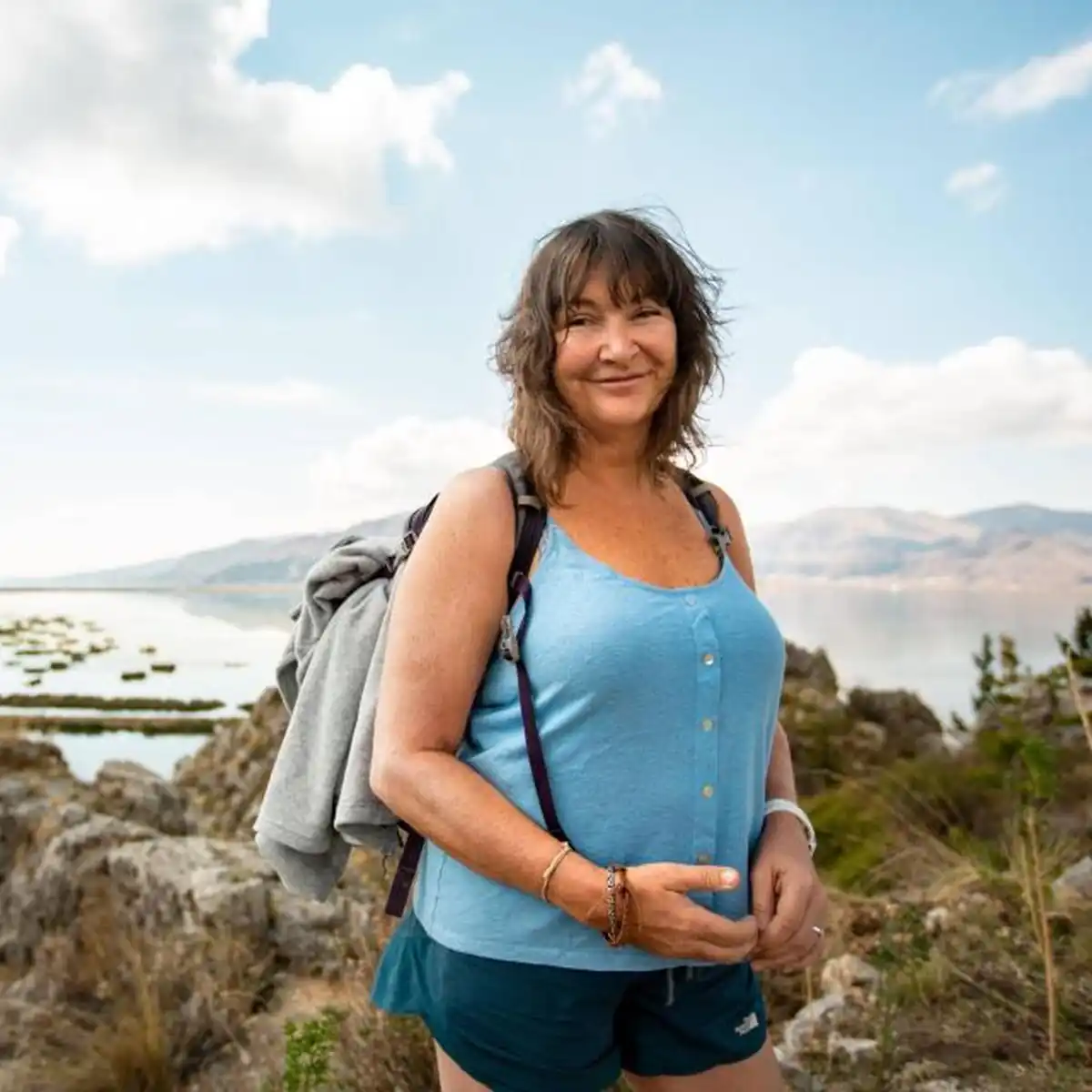
There are wins that look clean on paper — a time, a ranking, a trophy photo — and then there are wins that feel like a confession. In Qatar, Kate Waugh didn’t just take the tape at the T100 Triathlon World Championship Final. She seemed to drag the title over the line with her, the kind of finish that turns a sports result into a shared human reaction: how is she still moving?
The headline is simple: Waugh is now the T100 world champion, sealing her first world title by winning the Grand Final in Qatar. But what’s made this story travel so fast is the way it happened — a visibly exhausted, fight-to-the-last stretch that made even non-triathlon fans pause. Reuters described the victory as a dramatic finish that secured her first-ever world title, in what was effectively a debut season at this level. (Outbound verification: Reuters report.)
The moment that changed the mood
Triathlon is often explained with numbers: splits, watts, heat, hydration. But what people saw in Qatar wasn’t a spreadsheet. It was a body negotiating with itself. The finish looked less like a celebration and more like a final agreement: one more minute, one more breath, one more step.
That’s why this win has cut through beyond specialist circles. In a year where so much sport is packaged to look effortless, Waugh’s title didn’t look effortless at all — and that honesty is magnetic. It’s also why the coverage has stacked up quickly: race recap sites, major UK outlets, and wire services all landing on the same detail — the struggle was part of the story.
Why the T100 title matters (even if you’ve never watched triathlon)
The T100 series is positioned as a premium, modern triathlon world tour — and the “world champion” label matters because it’s building a new hierarchy in real time. For athletes, it’s not just another podium; it’s a season-long argument settled in one final race.
Waugh’s win also lands as a statement about range. She has been known in Olympic-distance circles, but the T100 format asks different questions: pacing, patience, pain tolerance, and the quiet discipline of not panicking when the race gets long and loud.
British Triathlon’s own recap framed it as a decisive crown — the win on the day, and the overall title in the same breath — an official stamp that this wasn’t a one-off performance. (Outbound verification: British Triathlon.)
The part most coverage won’t say out loud
Here’s the uncomfortable truth: the most memorable championships often arrive when an athlete looks close to breaking. Not because we enjoy the suffering — but because it makes the victory feel earned in a way a smooth win sometimes doesn’t.
Waugh’s Qatar finish has that rare quality of “evidence.” It’s proof, not branding. It tells you what the title cost. That’s why the clip travels, why people who don’t know the transition rules still understand the ending.
And in a sporting culture where women are too often praised for being “graceful” before they’re praised for being relentless, this win flips the script. Waugh didn’t win by looking composed. She won by refusing to stop.
What comes next
Championships change how an athlete is watched. After Qatar, Waugh won’t be treated as a promising name; she’ll be treated as a reference point. Every future race will come with a new question: is she still the one who can outlast the moment when it turns ugly?
For British sport, it’s a timely kind of headline — not loud, not scandal-driven, not fragile. Just a clear, hard-earned title that reminds you why endurance sport still matters: because sometimes the purest drama is simply a person refusing to quit.
You may also like: Jacob Fowler’s First NHL Win Didn’t Feel Like a Debut — It Felt Like a Hand-Over

Make Swikblog your go-to source on Google for reliable updates, smart insights, and daily trends.