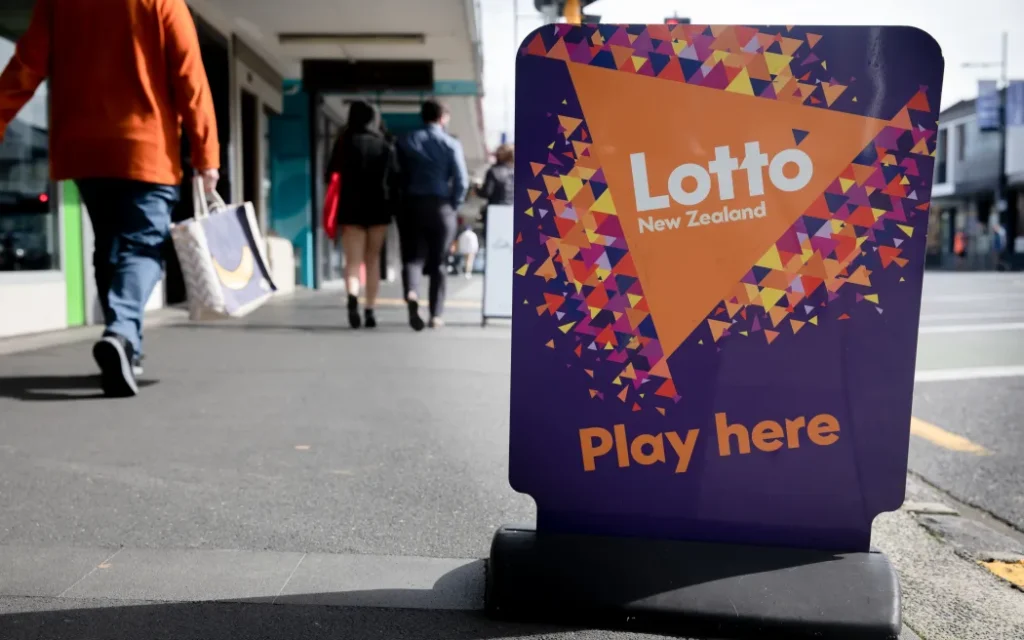

New Zealand’s lottery landscape is set for a major shake-up, with Lotto NZ announcing its biggest Powerball change in 19 years. The update, which will roll out in the second half of 2026, brings a mix of bigger jackpots, more frequent smaller wins, and significantly tougher odds for the top prize.
At the centre of the changes is a headline-grabbing increase in the maximum jackpot, which will rise from $50 million to $60 million. The starting jackpot will also increase from $4 million to $5 million. However, the bigger story for players is that winning the top prize is about to become much harder.
Powerball odds worsen as numbers increase
The most significant technical change is an increase in the number of Powerballs in the draw, rising from 10 to 14. This adjustment dramatically reduces the probability of hitting the Powerball Division One jackpot.
Currently, players have about a 1 in 38.4 million chance of winning the top prize. Under the new format, those odds will drop to roughly 1 in 53.7 million per line. Lotto NZ has acknowledged this shift, noting that Division One will be won less frequently as a result.
This change is expected to lead to more jackpot rollovers, allowing prize pools to grow larger over time — a key factor behind the decision to raise the maximum jackpot to $60 million.
New prize division to boost total winners
While the chances of winning big are decreasing, Lotto NZ is introducing a new “Division Eight” prize aimed at increasing the total number of winners in each draw.
According to Lotto NZ chief executive Jason Delamore, the new division is expected to increase weekly Powerball winners by around 30%, from approximately 47,000 winners to about 62,000 winners on average.
This means more players are likely to walk away with smaller prizes, even if the top-tier jackpot becomes more elusive.
Lotto NZ strategy: Bigger jackpots and more engagement
Delamore described the changes as a “gamechanger” and part of Lotto NZ’s long-term strategy as the organisation approaches its 40th anniversary. He said evolving Powerball is essential to keep the game fresh and aligned with global lottery trends.
“We expect the jackpot will roll over more often, delivering larger prizes when people win, while prizes in all other divisions will also increase,” he said.
Globally, lottery operators frequently update game structures to reflect changes in population size, inflation, and player expectations. Larger jackpots tend to attract more attention, driving ticket sales and keeping the game relevant in a competitive entertainment market.
Despite the changes, Lotto NZ confirmed that the price of a Powerball ticket will remain unchanged, a move likely aimed at maintaining accessibility for players.
For official game details and updates, players can visit the MyLotto website.
Experts: Lotto sells hope, but risks remain
Marketing expert Bodo Lang from Massey University believes the changes are unlikely to hurt ticket sales, highlighting the emotional appeal of lottery games.
“What you’re selling when you’re selling a Lotto ticket is hope,” Lang said, suggesting that as long as that sense of possibility remains, players will continue to engage with the game.
However, financial experts are urging caution. Rupert Carlyon, founder of Koura KiwiSaver, stressed that Lotto should be viewed strictly as a form of gambling rather than an investment strategy.
He warned that financially vulnerable individuals are often more likely to spend on Lotto tickets in the hope of improving their situation, sometimes prioritising tickets over essential expenses.
“People need to be clear that Lotto is not an investment,” Carlyon said, adding that even though a massive jackpot is appealing, many people would find smaller wins — such as hundreds of thousands of dollars — life-changing enough to ease financial pressures like mortgages.
Community funding remains a key factor
Lotto NZ also emphasised its role in supporting communities across the country. Since its launch in 1987, the organisation has contributed more than $6.7 billion to the Lottery Grants Board, funding grassroots sports, cultural initiatives, and health organisations.
The updated Powerball format is expected to help maintain “consistent and predictable returns” to these causes by encouraging continued participation and ticket sales.
Additional insights into global lottery operations and responsible gaming can be explored through organisations like the World Lottery Association.
What it means for players
The upcoming changes create a clear trade-off for players. On one hand, the chance of winning the life-changing jackpot becomes significantly lower. On the other, players gain more opportunities to win smaller prizes and potentially benefit from larger jackpot rollovers.
For casual players, the increased number of winners may make the game feel more rewarding. But for those chasing the top prize, the odds will be more challenging than ever before.
The introduction of higher jackpots could also lead to increased media coverage and public interest, particularly when prize pools grow into tens of millions of dollars.
The bottom line
Lotto NZ’s biggest Powerball overhaul in nearly two decades is designed to balance excitement with sustainability. Bigger jackpots, more winners, and tougher odds form the core of the new structure.
While the promise of a $60 million jackpot will capture attention, the underlying reality is that winning it will be rarer than before. As the changes roll out in 2026, players will need to decide whether the dream of a bigger prize outweighs the declining odds of hitting it.

Make Swikblog your go-to source on Google for reliable updates, smart insights, and daily trends.