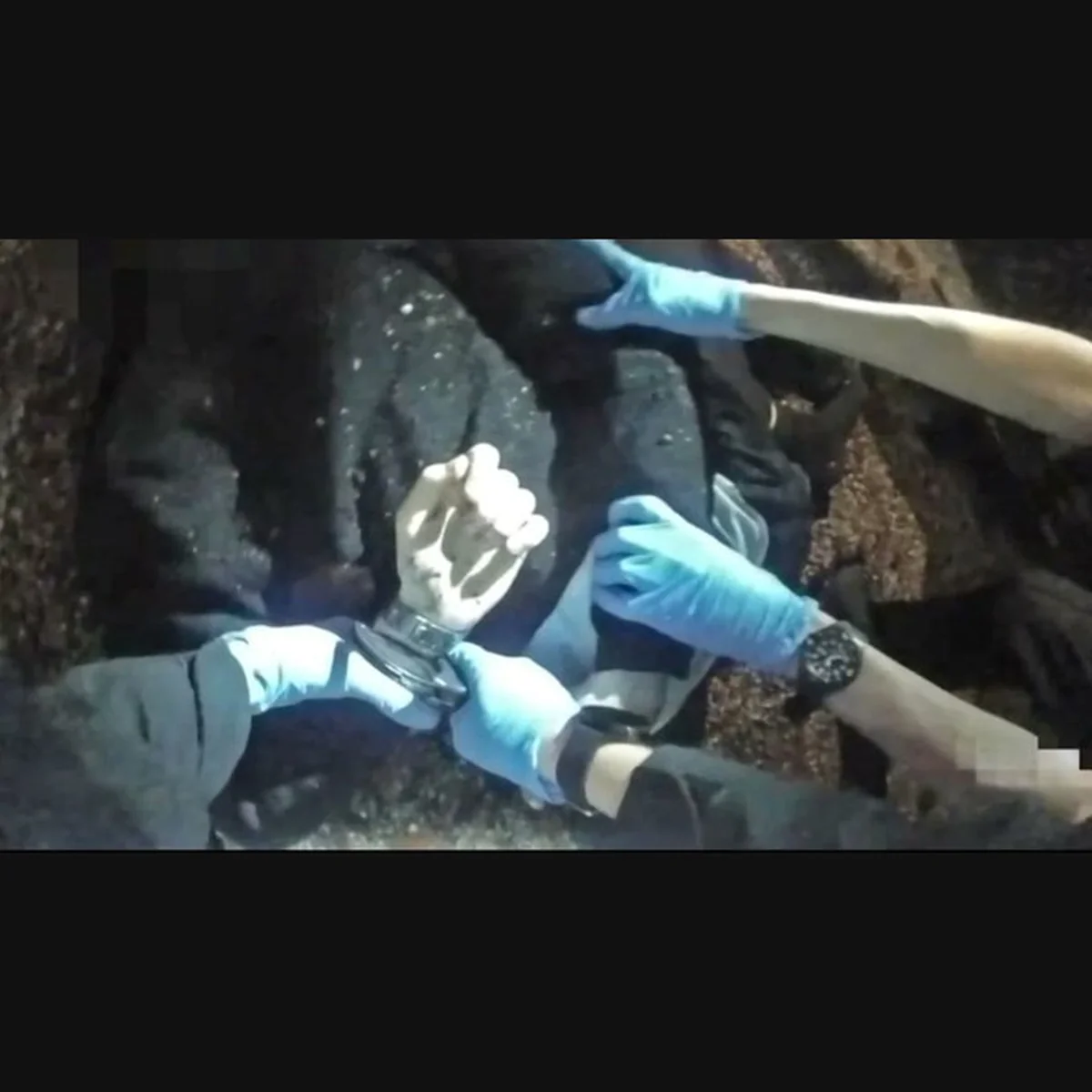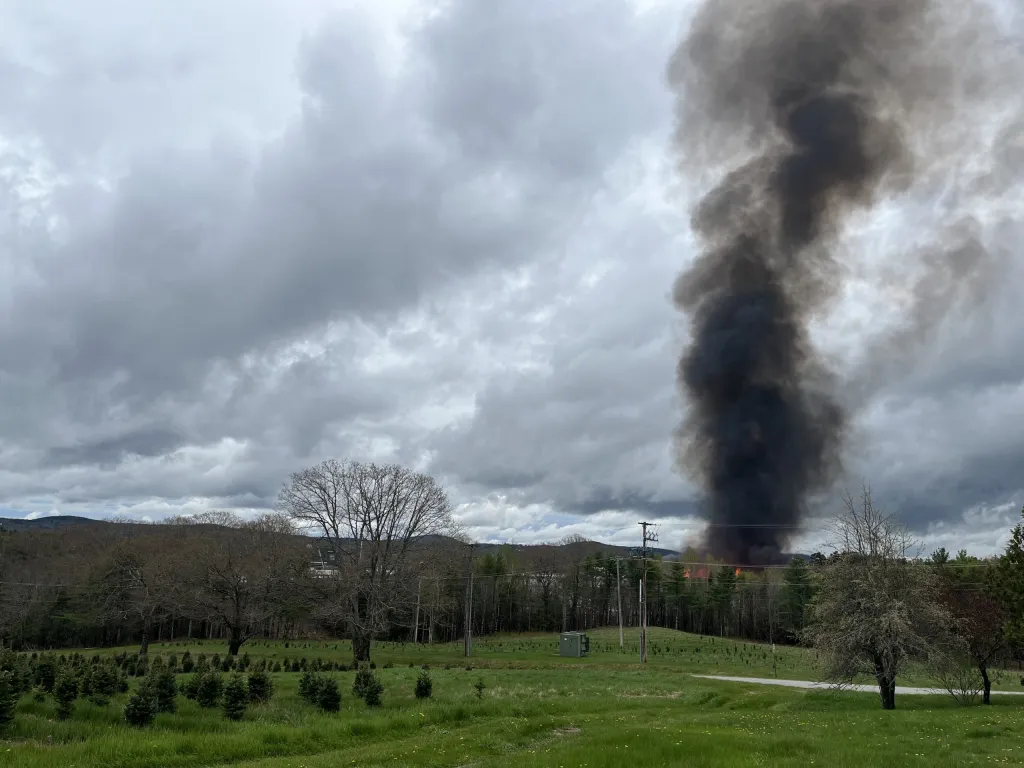

A major fire and reported explosion at Robbins Lumber in Searsmont, Maine, brought a heavy emergency response Friday after dispatchers described the situation as a “mass casualty incident” and crews from multiple towns were sent to the lumber mill.
The emergency unfolded at the Waldo County facility as firefighters, police, medical teams and state officials moved into the area. Reports from the scene described a large column of black smoke rising above the mill, while police closed Route 131 near School Street and Ghent Road to keep traffic and bystanders away from the active response zone.
The phrase “mass casualty incident” drew immediate attention, but it should be read carefully. In emergency response, the term means an event may involve more injured people than local medical resources can easily handle at once. It does not, by itself, confirm a death toll or a specific number of victims.
Local reports said LifeFlight helicopters were called to the scene, with one helicopter already arriving and another expected. Officials had not released a confirmed injury count in the early stages of the incident, making it important to avoid unverified claims while emergency crews continued their work.
According to WGME CBS 13, the emergency response followed a reported explosion at the Robbins Lumber facility. The Maine State Fire Marshal’s Office also responded, indicating that investigators will examine how the fire began and what caused the blast.
How the fire reportedly spread inside the mill
Early information from the scene suggested the fire started in an area connected to wood shavings, where material was being packed into plastic bags. Ben Hamel, purchasing manager at the mill, told reporters the flames then spread toward a nearby silo filled with dust before the silo exploded.
Hamel described the silo as behaving “like a little rocket,” a detail that shows why fires at wood-processing plants can become dangerous very quickly. Lumber mills often contain large amounts of dry wood, shavings, sawdust, machinery, dust collection systems and fuel sources. Once flames reach those materials, the risk can grow beyond a normal building fire.
Wood dust is especially dangerous when fine particles collect in enclosed spaces or become suspended in the air. If those particles meet heat, sparks or open flame, they can ignite with explosive force. This is why dust control, ventilation and housekeeping are critical safety issues in sawmills, furniture plants and other wood-processing facilities.
Friday’s response appeared to involve several hazards at once. In addition to flames and the reported dust-related explosion, a trooper at the scene warned bystanders that there was a major fuel leak on site. People nearby were reportedly told to go inside neighboring buildings or move farther away from the mill.
That warning matters because industrial fires can remain unstable even after the first explosion or fireball. Fuel, hot debris, pressurized equipment, damaged structures and hidden fire pockets can create new risks for firefighters and anyone standing too close.
Video from the scene showed a large fire burning at the facility, while emergency dispatch traffic indicated that additional help was being requested quickly. Reports said dispatchers asked for “whatever you can send,” a sign that local responders were trying to build enough manpower and medical support around a fast-moving incident.
Read More
- Visit Swikblog Homepage
- Australia’s Best Private Primary Schools 2026 Rankings
- Google Nest Outage: Cameras and Thermostats Offline in US
- School Bus Driver Wins $5 Million Maryland Lottery Scratch-Off
- Spaghetti House Closes All London Restaurants After 70 Years
- Maldives Diving Horror: Five Italians Die in Underwater Caves
Why officials urged people to stay away
Gov. Janet Mills said she had been briefed on the situation in Searsmont and urged people to avoid the area, follow law enforcement instructions and allow emergency personnel to respond. Her warning reflected one of the most important parts of a large emergency response: keeping roads clear and preventing the public from entering a dangerous scene.
When roads around a fire scene become crowded, ambulances, fire engines and support units can lose valuable time. In an industrial emergency, that delay can affect rescue operations, water supply, patient transport and the ability of investigators to secure the site.
The closure of Route 131 near School Street and Ghent Road also helped create a safer working space for emergency crews. With black smoke visible above the mill and reports of a fuel leak, officials had reason to limit movement around the facility while they assessed the danger.
Robbins Lumber is part of Searsmont’s long connection to Maine’s timber and sawmill industry. For a small community, a major fire at a local employer is not only a public safety event. It can affect workers, families, nearby residents and businesses that depend on the facility.
The investigation will likely focus on several questions: where the first flames started, how the fire reached the silo, whether combustible dust played a direct role in the explosion, and whether the reported fuel leak developed before or after the fire spread. Investigators may also review equipment, dust-control systems, maintenance records and safety procedures.
Industrial fire investigations can take time because officials must first make the scene safe. Damaged buildings, unstable machinery, smoldering materials and water-soaked debris can delay access to key areas. Fire marshals often need to wait until firefighters fully control the scene before they can begin a detailed cause-and-origin review.
For now, the most reliable guidance remains simple: avoid the area, wait for confirmed updates from authorities and treat early casualty reports with caution. Breaking incidents often change as officials verify information from firefighters, hospitals and investigators.
Swikblog has also covered major Maine fire emergencies before, including the three-alarm fire at Portland’s historic Custom House Wharf, where public safety warnings and road restrictions became a central part of the response.
As of the latest early reports, emergency crews remained focused on the Robbins Lumber site while state and local officials worked to determine the full extent of injuries, damage and the cause of the fire and explosion.

Make Swikblog your go-to source on Google for reliable updates, smart insights, and daily trends.