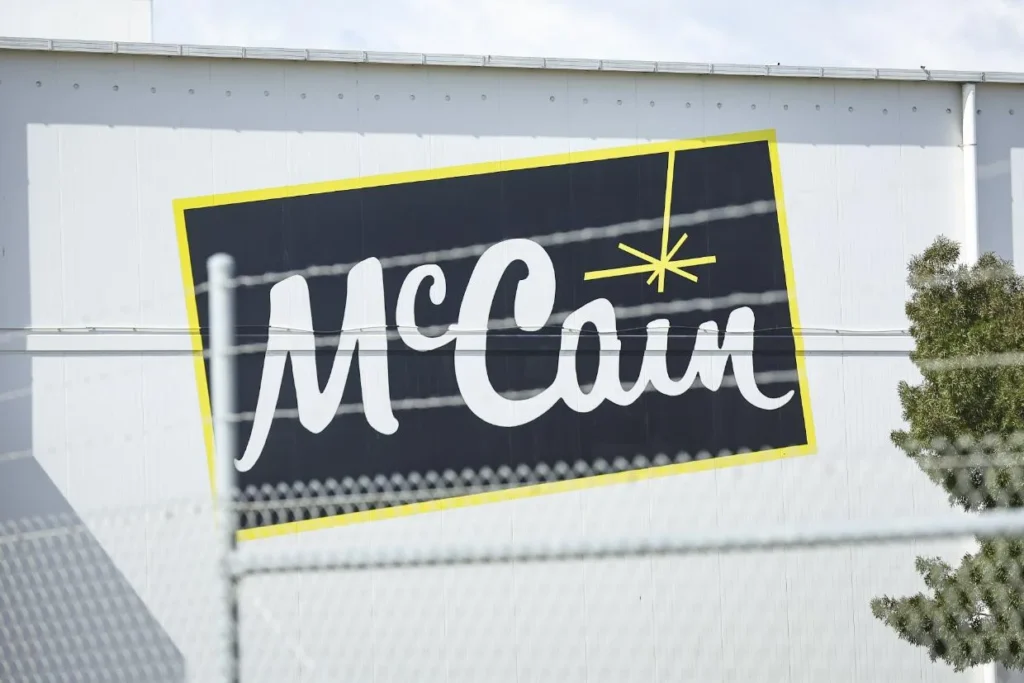

Hawke’s Bay vegetable growers have abandoned their attempt to buy McCain Foods’ Hastings factory after learning that the processing equipment needed to continue frozen vegetable production is no longer available.
The July 29 development ends the proposed grower-led takeover in its original form. McCain still plans to close the Hastings plant by January 31, 2027, affecting more than 100 growers who supply peas, beans, sweetcorn and carrots.
Why the Growers Ended Their Bid
Growers began examining a possible purchase after the Canadian-owned food company announced the closure. Hastings District Mayor Wendy Schollum and Central Hawke’s Bay Mayor Will Foley later asked McCain to pause major changes at the site while an independent feasibility study was considered.
The proposal depended on the existing processing machinery remaining with the factory. Grower spokesperson Hew Dalrymple said the group explored the opportunity thoroughly but withdrew after being told that the equipment was no longer available.
Without the freezing systems and production lines, restarting the operation would require substantially more capital. A prolonged shutdown could also make it difficult to retain skilled workers and secure future growing contracts.
How the Closure Reached This Point
McCain announced in March 2026 that it had been unable to identify a sustainable future for the Hastings operation under its existing model. The company said current contractual commitments would be completed before it moved to a different supply arrangement within its broader network.
In May, the two councils requested an eight-week pause to give growers time to assess a purchase. McCain declined to stop the closure process and confirmed that some plant equipment was already being decommissioned.
The government provided NZ$50,000 towards the first stage of a feasibility study. However, the loss of access to the machinery fundamentally changed the commercial basis of the plan.
What the Decision Means for Growers
The Hastings facility has provided a reliable destination for vegetables grown specifically for freezing. These crops are planted under processing contracts and cannot always be redirected to fresh produce markets at short notice.
Farmers may now need to find another processor, change crops or reduce production. Each option carries financial risk because different crops can require new equipment, storage, irrigation and long-term buyers.
The consequences extend beyond farms. Harvesting contractors, transport operators, packaging suppliers and other regional businesses depend on large-scale vegetable processing.
Councils Continue Government Talks
Schollum described the outcome as disappointing for workers, growers and businesses connected to the plant. She said vegetable production remains important to local employment, the Hawke’s Bay economy and New Zealand’s food supply.
Foley said government assistance would be important in determining whether another sustainable processing model could be developed. The councils intend to continue working with growers, industry representatives and central government.
Official background on the regional response is available in the Hastings District Council statement on the processing closures.
Frozen Vegetable Processing Under Pressure
The failed rescue effort comes as other parts of New Zealand’s food-manufacturing industry face restructuring. Heinz Wattie’s has confirmed plant closures and changes to frozen vegetable operations, with its New Zealand restructuring affecting about 300 jobs.
The final Wattie’s decision followed an earlier proposal involving three manufacturing sites and frozen packing operations. That initial plan and its potential impact on suppliers were outlined in the report on Wattie’s factory closures and frozen vegetable exit.
These developments have raised concerns about domestic processing capacity. When a factory closes, growers lose infrastructure that converts large harvests into products that can be stored, exported and sold throughout the year.
What Happens Next
McCain said it remains in contact with employees, growers and other stakeholders. Affected staff are being offered transition assistance, career support and access to wellbeing services, although the final number of roles affected has not been publicly confirmed.
The January 2027 closure remains scheduled. Growers and councils will now focus on alternative investment or processing options, but there is currently no confirmed replacement for the Hastings facility.
Hawke’s Bay vegetable growers have abandoned their attempt to buy McCain Foods’ Hastings factory after learning that the processing equipment needed to continue frozen vegetable production is no longer available.
The July 29 development ends the proposed grower-led takeover in its original form. McCain still plans to close the Hastings plant by January 31, 2027, affecting more than 100 growers who supply peas, beans, sweetcorn and carrots.
Why the Growers Ended Their Bid
Growers began examining a possible purchase after the Canadian-owned food company announced the closure. Hastings District Mayor Wendy Schollum and Central Hawke’s Bay Mayor Will Foley later asked McCain to pause major changes at the site while an independent feasibility study was considered.
The proposal depended on the existing processing machinery remaining with the factory. Grower spokesperson Hew Dalrymple said the group explored the opportunity thoroughly but withdrew after being told that the equipment was no longer available.
Without the freezing systems and production lines, restarting the operation would require substantially more capital. A prolonged shutdown could also make it difficult to retain skilled workers and secure future growing contracts.
How the Closure Reached This Point
McCain announced in March 2026 that it had been unable to identify a sustainable future for the Hastings operation under its existing model. The company said current contractual commitments would be completed before it moved to a different supply arrangement within its broader network.
In May, the two councils requested an eight-week pause to give growers time to assess a purchase. McCain declined to stop the closure process and confirmed that some plant equipment was already being decommissioned.
The government provided NZ$50,000 towards the first stage of a feasibility study. However, the loss of access to the machinery fundamentally changed the commercial basis of the plan.
What the Decision Means for Growers
The Hastings facility has provided a reliable destination for vegetables grown specifically for freezing. These crops are planted under processing contracts and cannot always be redirected to fresh produce markets at short notice.
Farmers may now need to find another processor, change crops or reduce production. Each option carries financial risk because different crops can require new equipment, storage, irrigation and long-term buyers.
The consequences extend beyond farms. Harvesting contractors, transport operators, packaging suppliers and other regional businesses depend on large-scale vegetable processing.
Councils Continue Government Talks
Schollum described the outcome as disappointing for workers, growers and businesses connected to the plant. She said vegetable production remains important to local employment, the Hawke’s Bay economy and New Zealand’s food supply.
Foley said government assistance would be important in determining whether another sustainable processing model could be developed. The councils intend to continue working with growers, industry representatives and central government.
Official background on the regional response is available in the Hastings District Council statement on the processing closures.
Frozen Vegetable Processing Under Pressure
The failed rescue effort comes as other parts of New Zealand’s food-manufacturing industry face restructuring. Heinz Wattie’s has confirmed plant closures and changes to frozen vegetable operations, with its New Zealand restructuring affecting about 300 jobs.
The final Wattie’s decision followed an earlier proposal involving three manufacturing sites and frozen packing operations. That initial plan and its potential impact on suppliers were outlined in the report on Wattie’s factory closures and frozen vegetable exit.
These developments have raised concerns about domestic processing capacity. When a factory closes, growers lose infrastructure that converts large harvests into products that can be stored, exported and sold throughout the year.
What Happens Next
McCain said it remains in contact with employees, growers and other stakeholders. Affected staff are being offered transition assistance, career support and access to wellbeing services, although the final number of roles affected has not been publicly confirmed.
The January 2027 closure remains scheduled. Growers and councils will now focus on alternative investment or processing options, but there is currently no confirmed replacement for the Hastings facility.

Make Swikblog your go-to source on Google for reliable updates, smart insights, and daily trends.