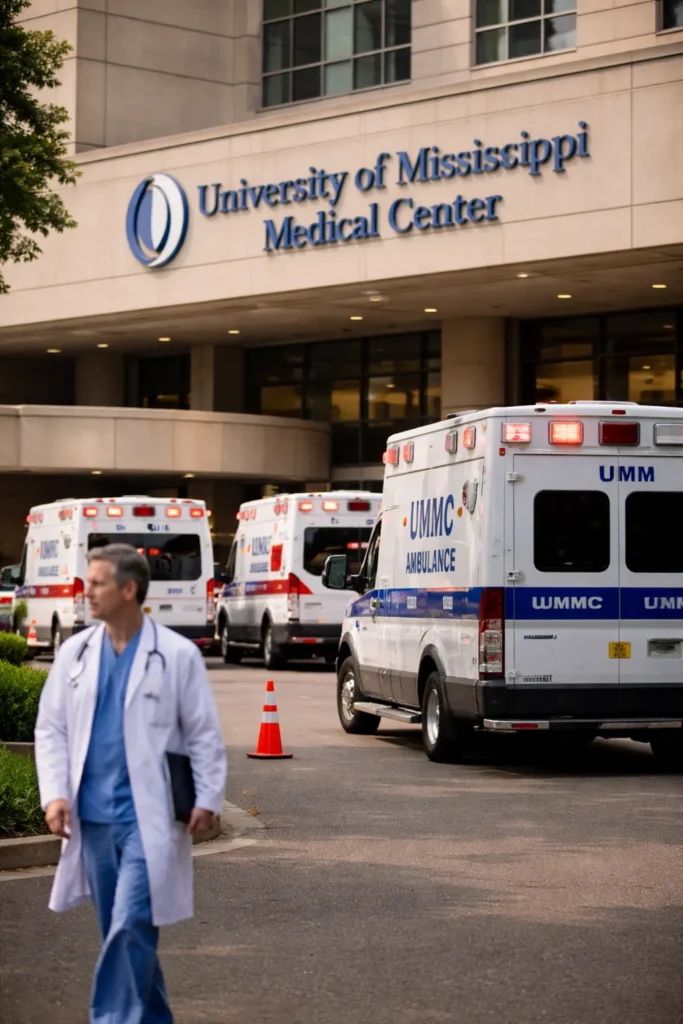

JACKSON, Miss. — The University of Mississippi Medical Center shut down clinics statewide and canceled elective procedures for a second consecutive day after a ransomware attack crippled key digital systems, underscoring how cyber threats are increasingly morphing into operational crises for U.S. hospitals.
The academic health system said it proactively took parts of its network offline after detecting the attack, a move designed to contain the breach but one that disrupted “many systems,” including its electronic health record platform. Inpatient hospitals and emergency rooms remain open, with officials insisting patient care is continuing, albeit under modified workflows.
The shutdown could last several days, executives warned, as cybersecurity teams assess the scope of the intrusion and work to restore services safely.
Clinics Closed, Elective Volume Paused
UMMC’s decision to suspend outpatient operations highlights the fragility of modern health systems when core digital infrastructure is compromised. Electronic health records serve as the backbone for appointment scheduling, physician documentation, medication management, diagnostic orders and billing. When that backbone fails, outpatient throughput slows dramatically.
Elective procedures — a major revenue driver for hospital systems — have been postponed. While such volumes are often deferred rather than permanently lost, the immediate impact can squeeze short-term cash flow and strain staffing efficiency. For large health systems, elective care can represent 40% to 60% of operating margin contribution, depending on service mix.
Vice Chancellor LouAnn Woodward said staff have reverted to manual documentation where necessary, noting that “some of us remember taking care of patients with pen and paper.” The comment underscores the operational pivot hospitals must execute during cyber disruptions.
FBI Joins Response Effort
The Federal Bureau of Investigation is assisting UMMC’s response. FBI Special Agent in Charge Robert Eikhoff said the priority is restoring systems to ensure continuity of care. Authorities are also attempting to determine whether patient data was accessed or exfiltrated.
UMMC confirmed that attackers have communicated with the university but declined to disclose ransom demands.
Federal agencies have increasingly urged healthcare organizations to avoid ransom payments where possible, emphasizing restoration from backups and coordinated law enforcement engagement. The Cybersecurity and Infrastructure Security Agency maintains sector-specific ransomware guidance at CISA’s healthcare resilience hub, reflecting elevated threat levels targeting hospitals.
Healthcare Remains a Prime Target
The incident fits a broader pattern. Healthcare remains one of the most targeted sectors for ransomware due to its reliance on time-sensitive operations and high-value data. According to industry research, the average cost of a healthcare data breach reached nearly $10 million in recent annual benchmarks, the highest among major industries.
Attackers increasingly use “double extortion” tactics — encrypting systems while threatening to publish stolen data. UMMC officials said investigations are ongoing to determine whether patient information was accessed.
Beyond financial exposure, ransomware in healthcare carries systemic risk. Disruptions can delay cancer screenings, imaging appointments, follow-up visits and elective surgeries — creating ripple effects that extend well beyond the initial shutdown window.
Operational and Financial Fallout
For hospital systems, outages translate into layered consequences:
Revenue deferral: Postponed procedures push billing cycles outward.
Administrative backlog: Coding and claims processing slow if documentation systems remain offline.
Reputational risk: Patient confidence can erode during prolonged outages.
UMMC, Mississippi’s only academic medical center, operates multiple hospitals and clinics across the state, making the impact geographically broad. Even short disruptions can generate scheduling bottlenecks that take weeks to unwind.
Healthcare cybersecurity spending has climbed sharply in recent years, yet incidents persist as attackers adapt. Many systems now emphasize segmentation, multi-factor authentication and routine backup validation to improve resilience.
What Comes Next
The timeline for full restoration remains uncertain. Health systems typically prioritize stabilizing inpatient operations, then gradually bring outpatient scheduling and elective services back online.
If investigators determine that protected health information was compromised, UMMC may face additional regulatory obligations, including patient notifications and potential compliance review.
For patients, the near-term concern centers on rescheduling. For administrators, the calculus involves restoration speed, forensic analysis and financial containment. For policymakers, the incident reinforces ongoing calls for stronger sector-wide cybersecurity coordination.
Cyberattacks on hospitals have moved beyond isolated IT events. They now represent strategic operational threats capable of affecting access to care across entire states.
For broader coverage on infrastructure, cybersecurity and healthcare system disruptions, visit Swikblog for continued updates.

Make Swikblog your go-to source on Google for reliable updates, smart insights, and daily trends.