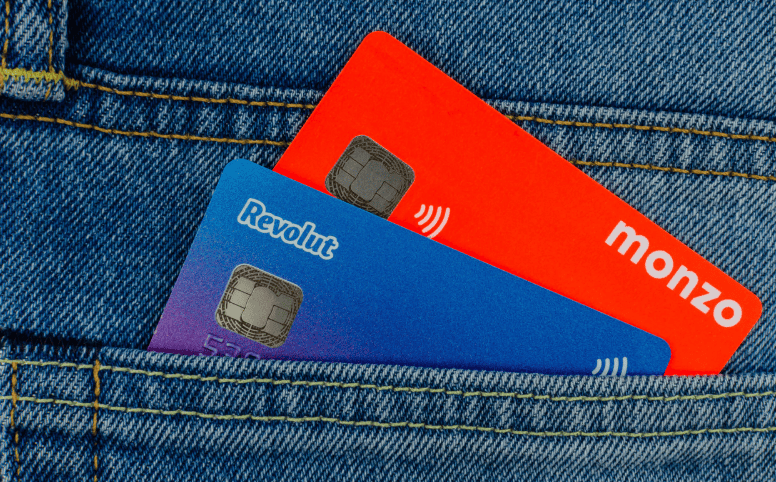

Monzo has officially launched in Ireland, opening its digital banking services to consumers and businesses after securing a full banking licence from the Central Bank of Ireland and attracting a waitlist of 100,000 users ahead of its debut. The UK-based fintech’s entry marks a significant moment in Ireland’s increasingly competitive online banking market, where demand for digital-first financial services continues to grow.
The London-headquartered bank, founded in 2015 and now serving more than 15 million customers in the UK, is offering free personal and business current accounts, alongside joint and children’s accounts. It is also introducing an instant-access savings product allowing customers to start saving from as little as €1, with a variable interest rate of 1.6% — slightly above the 1.5% offered by rival Revolut.
The move is drawing attention not just for its scale but for its timing. Ireland’s banking sector has undergone major shifts in recent years, with traditional lenders scaling back physical operations while digital adoption accelerates. Monzo’s arrival adds another major player to a market already shaped by fintech groups such as Revolut and N26, intensifying competition for both retail and business customers.
Entering a crowded but evolving market
Unlike some competitors that operate in Ireland through European licences issued elsewhere, Monzo has secured direct authorisation from the Irish regulator — becoming the first fully licensed digital bank in the country. Each account will come with an Irish IBAN, positioning the bank as a more locally embedded alternative within the fintech space.
Michael Carney, Monzo’s EU chief executive, said the response to the waitlist demonstrated clear demand for new banking options. He rejected suggestions that the bank was entering the market too late, arguing that Irish customers remain underserved and open to alternatives that prioritise simplicity and usability.
The launch also comes shortly after the introduction of Zippay, a new mobile payment service integrated into major Irish banks including AIB, Bank of Ireland and PTSB, allowing instant transfers using mobile numbers. The growing ecosystem highlights how rapidly digital financial services are evolving in the country.
Despite its strong position in the UK, Monzo faces different challenges in Ireland. The bank is launching without offering credit cards or lending products — services it provides in its home market — and will operate entirely without physical branches. That could prove a hurdle in a country where some consumers still value face-to-face banking access.
Focus on trust, savings and user experience
Monzo is betting that its app-driven experience and customer-centric approach will resonate. The company has emphasised features such as real-time spending insights, instant notifications and integrated budgeting tools, alongside what it describes as industry-leading fraud protection and customer support available via phone, email and in-app chat.
Elaine Deehan, Monzo’s country manager for Ireland, said research showed customers were looking for “free everyday banking, money that works harder for them, a partner they can trust, and a bank that speaks their language”.
Trust remains a central issue for digital-only banks, particularly as fraud risks grow alongside increased online activity. Monzo has pointed to its regulation by the Central Bank of Ireland as a key factor in reassuring customers, alongside its investment in security features.
The bank also sees Ireland as a strategic entry point into Europe. As its first market in the region, performance here is likely to shape how it expands across the European Union in the coming years.
For consumers, the immediate impact may be greater choice and more competitive offerings, particularly in savings rates and fee structures. For the wider industry, Monzo’s launch adds further pressure on both traditional banks and fintech rivals to improve services, reduce costs and deliver a more intuitive digital experience. More information on banking regulation and licensed providers is available from the Central Bank of Ireland.

Make Swikblog your go-to source on Google for reliable updates, smart insights, and daily trends.