
Thousands of dog owners on Queensland’s Sunshine Coast will need to rethink their daily walking routines from July 3, 2026, when a new set of council rules governing beaches, parks and reserves officially comes into force. The changes introduce stricter leash requirements, new dog-free zones and penalties of up to A$863 for owners who fail to comply.
While local councils regularly update animal management policies, the Sunshine Coast changes have attracted unusual attention because they affect some of the region’s most popular coastal locations. Supporters argue the measures are necessary to protect wildlife and reduce conflicts in busy public spaces. Critics say the restrictions go too far and limit access to areas that have been enjoyed by responsible dog owners for years.
The debate highlights a growing challenge facing coastal communities across Australia as rising populations, increased pet ownership and environmental protection goals compete for the same public spaces.
Sunshine Coast beaches facing new dog restrictions
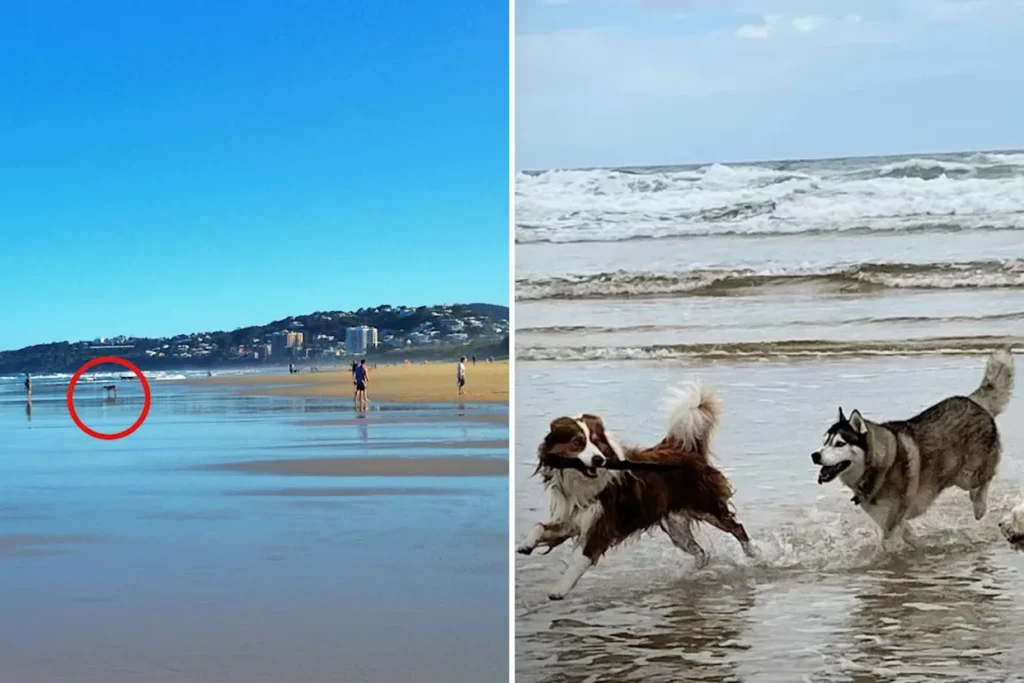
The new regulations will affect several well-known locations including Stumers Beach, Shelly Beach, Currimundi Lake, Ballinger Beach, Alexandra Headland Beach, Kings Beach and Coolum Beach. In a number of these areas, dogs will now be required to remain on a leash where different arrangements previously existed.
Council has also introduced seasonal restrictions at Maroochy North Shore, including Twin Waters, between October and April. The purpose is to protect threatened migratory shorebirds that rely on coastal habitats during part of the year.
To help offset the seasonal closure, an additional off-leash area is planned for Mudjimba South, giving owners another location where dogs can exercise freely.
Rocky headlands and sensitive habitats become dog-free
Some of the most significant changes involve rocky foreshore areas. Dogs will no longer be permitted at Point Perry, Point Arkwright, Point Cartwright, Moffat Headland and Caloundra Headland.
According to council, these locations contain environmentally sensitive habitats where wildlife can be disturbed by human and dog activity. Even when pets remain under control, conservation experts have long argued that repeated disturbance can affect feeding, nesting and resting patterns for native species.
Selected conservation, nature and bushland reserves will also become dog-free because of their high environmental value. However, many other environmental reserves will continue allowing dogs on a leash.
How much could dog owners be fined?
The financial penalties attached to the new rules have become one of the biggest talking points among residents.
From July 1, owners can face fines of A$863 if their dog is found off-leash in an area where a leash is required. Additional penalties of A$345 can apply if a dog enters a prohibited area or if an owner fails to carry a waste bag while out with their pet.
These penalties can be issued on the spot by council officers, meaning owners who are unfamiliar with the updated regulations could find themselves facing a costly mistake.
Queensland law already requires dog owners to maintain effective control of their pets in public places. The new Sunshine Coast rules place greater importance on understanding exactly where those requirements apply.
Why council believes the changes are necessary
Sunshine Coast Council says the updated framework is designed to achieve several goals at the same time. These include protecting wildlife and sensitive ecosystems, improving safety for both people and animals, supporting shared use of public spaces and preparing for future population growth.
The council also considered human rights implications while developing the plan and sought expert advice regarding compatibility with Queensland’s Human Rights Act.
Officials argue that clearer rules will reduce confusion and create a more balanced approach to managing beaches, parks and reserves that are increasingly used by residents, tourists, sporting groups and pet owners.
Community backlash highlights wider concerns
The strongest opposition has come from residents who regularly walk their dogs along coastal paths and beaches. Many argue these locations provide more than recreation, serving as important social spaces where locals meet friends, exercise and maintain daily routines.
Some concerns have focused on older residents who may find it harder to access alternative locations. Others believe responsible dog owners are being unfairly affected by restrictions aimed at addressing broader environmental concerns.
The situation reflects a wider trend seen across Australia as councils attempt to balance public access with conservation priorities. Similar debates have emerged in other states, including discussions surrounding Tasmania’s recent rental pet law dispute involving a rescued kitten, where pet ownership rules became a significant community issue.
New off-leash parks planned across the region
Council says the changes are not solely focused on restrictions. As part of its broader strategy, it plans to expand dog-friendly infrastructure across the Sunshine Coast.
New and expanded off-leash areas are planned for locations including Pelican Waters, Yandina Tea Tree Park and Banya Avenue Linear Park. The council has also outlined plans for 22 additional off-leash parks and upgrades to existing facilities as funding becomes available.
Whether those additions ease community concerns remains to be seen, but they form a central part of council’s long-term vision for managing dog exercise areas across the region.
What dog owners should do before July 3
Owners are being encouraged to review the updated rules before visiting beaches, parks and reserves. Sunshine Coast Council has launched an interactive map that allows residents to check whether a location is off-leash, on-leash or prohibited for dogs.
Read More
Checking those requirements in advance may help owners avoid unexpected fines and ensure they continue using dog-friendly spaces responsibly.
With the new regulations only weeks away, the message for Sunshine Coast residents is straightforward: understanding the rules before leaving home could save hundreds of dollars and prevent disruptions to daily routines.
More information about the changes is available through the Sunshine Coast Council.

Make Swikblog your go-to source on Google for reliable updates, smart insights, and daily trends.