
Millions of people across the UK are being urged to take extra precautions as pollen levels surge, with health officials warning that simple daily habits could make a significant difference during one of the most challenging periods of the hay fever season.
The latest NHS advice comes as parts of the country face “very high” pollen levels, increasing the likelihood of symptoms for millions of allergy sufferers. Hay fever affects around 16 million people in the UK and remains one of the nation’s most common long-term allergic conditions.
While many people expect symptoms to appear outdoors, experts say exposure often continues inside homes long after people return from work, school, shopping trips or outdoor activities. That is why the NHS is encouraging people to shower and change clothes after spending time outside during periods of elevated pollen.
Why High Pollen Levels Are Causing Concern
Hay fever, also known as allergic rhinitis, occurs when the immune system reacts to pollen released by trees, grasses and weeds. During peak pollen periods, sufferers may experience sneezing, coughing, itchy eyes, headaches, fatigue and a blocked or runny nose.
The Met Office has forecast very high pollen levels across several parts of the UK this week. Warm weather, dry conditions and seasonal grass growth can combine to create ideal conditions for pollen to spread through the air.
Unlike a common cold, which usually improves within a week or two, hay fever symptoms can continue for weeks or even months while pollen remains present. For some people, symptoms become severe enough to affect sleep quality, work productivity and everyday activities.
The Hidden Reason Symptoms Continue After You Get Home
Many people assume that going indoors immediately removes them from pollen exposure. In reality, pollen particles can cling to hair, skin, shoes and clothing throughout the day. Once inside, these particles can transfer onto furniture, bedding, carpets and curtains.
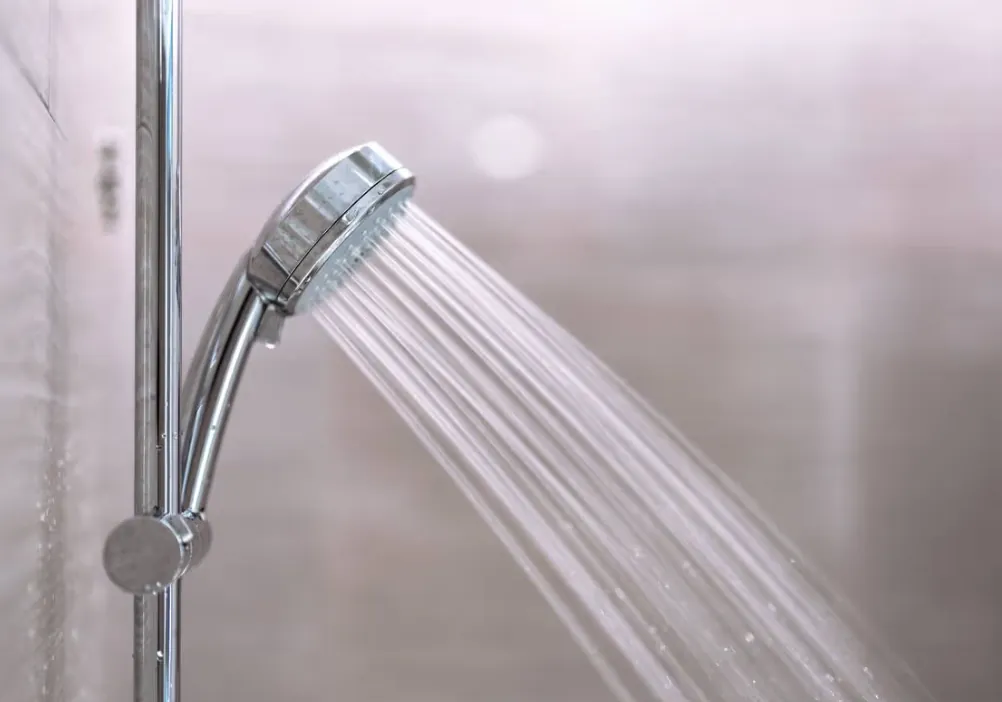
This indoor exposure can cause symptoms to continue during the evening and overnight, even when windows remain closed. According to NHS guidance, showering after returning home helps remove pollen from the body and scalp before it spreads around the home.
Changing clothes is equally important. Outdoor clothing often carries pollen indoors, creating ongoing exposure long after outdoor activities have ended. Removing and washing those clothes can help reduce allergen levels inside the home.
Why Showers Are Recommended Over Baths
The NHS specifically highlights showering because running water helps wash pollen away from the skin and hair more effectively. A warm shower may also provide temporary relief from congestion by helping clear blocked nasal passages.
Baths may be less effective during periods of high pollen because particles can remain floating on the water’s surface and potentially come back into contact with the skin. While bathing is not harmful, showering is generally considered the more practical option for quickly removing allergens.
This advice may be particularly useful for children, outdoor workers, gardeners, commuters and anyone spending extended periods outside during the day.
Additional Steps Recommended by the NHS
Showering is only one part of the NHS strategy for reducing hay fever symptoms. The health service also recommends applying petroleum jelly, such as Vaseline, around the nostrils to help trap pollen before it enters the nasal passages.
People may also benefit from wearing wraparound sunglasses outdoors to reduce pollen reaching the eyes. Face masks and wide-brimmed hats can provide an additional layer of protection during periods of particularly high pollen counts.
Keeping windows and doors closed where possible can help prevent pollen entering the home. Regular vacuuming and dusting with a damp cloth may also help remove allergens that settle indoors.
The NHS additionally advises using pollen filters in vehicle air vents and HEPA filters in vacuum cleaners when available, helping reduce the amount of airborne pollen inside enclosed spaces.
Public health experts often note that prevention is easier than managing worsening symptoms. Similar NHS-led prevention efforts can be seen in the NHS bowel cancer screening update in England, which highlights the importance of taking early action to protect long-term health.
When Pharmacy Treatments and Medical Advice May Help
Although hay fever cannot currently be cured, a range of treatments can help manage symptoms. Pharmacists may recommend antihistamine tablets, eye drops, nasal sprays or steroid nasal sprays depending on an individual’s symptoms.
Read More
People whose symptoms continue despite treatment, interfere with sleep or daily activities, or become increasingly severe should seek advice from a GP. Those with asthma should be especially vigilant during periods of very high pollen, as symptoms may become more difficult to control.
Further information and official guidance are available through the NHS hay fever information page.
Small Changes Could Help Millions This Week
With pollen levels expected to remain elevated in parts of the UK, reducing exposure remains one of the most effective ways to limit symptoms. Simple habits such as showering after outdoor activities, changing clothes promptly and following NHS guidance may help many sufferers stay more comfortable during the height of the pollen season.
For millions of people living with hay fever, these practical measures could help reduce the impact of soaring pollen levels while the current high-risk period continues.

Make Swikblog your go-to source on Google for reliable updates, smart insights, and daily trends.