
Nvidia stock fell 1.59% to $180.25, slipping $2.91 from the previous close of $183.16, even as fresh developments across the artificial intelligence infrastructure sector highlighted the massive and accelerating demand for high-performance GPUs. Two major announcements — a 50,000 GPU purchase by IREN and a $2 billion AI cloud partnership between Nvidia and Nebius Group — reinforced the view that the global race to build AI computing capacity is entering a new phase.
Despite the stock’s pullback, the broader narrative surrounding Nvidia remains tied to its dominant role in powering AI data centers worldwide. Orders for tens of thousands of GPUs and multi-billion-dollar investments into AI cloud infrastructure continue to signal that demand for compute power is far from slowing down.
IREN Orders 50,000 Nvidia B300 GPUs to Expand AI Fleet
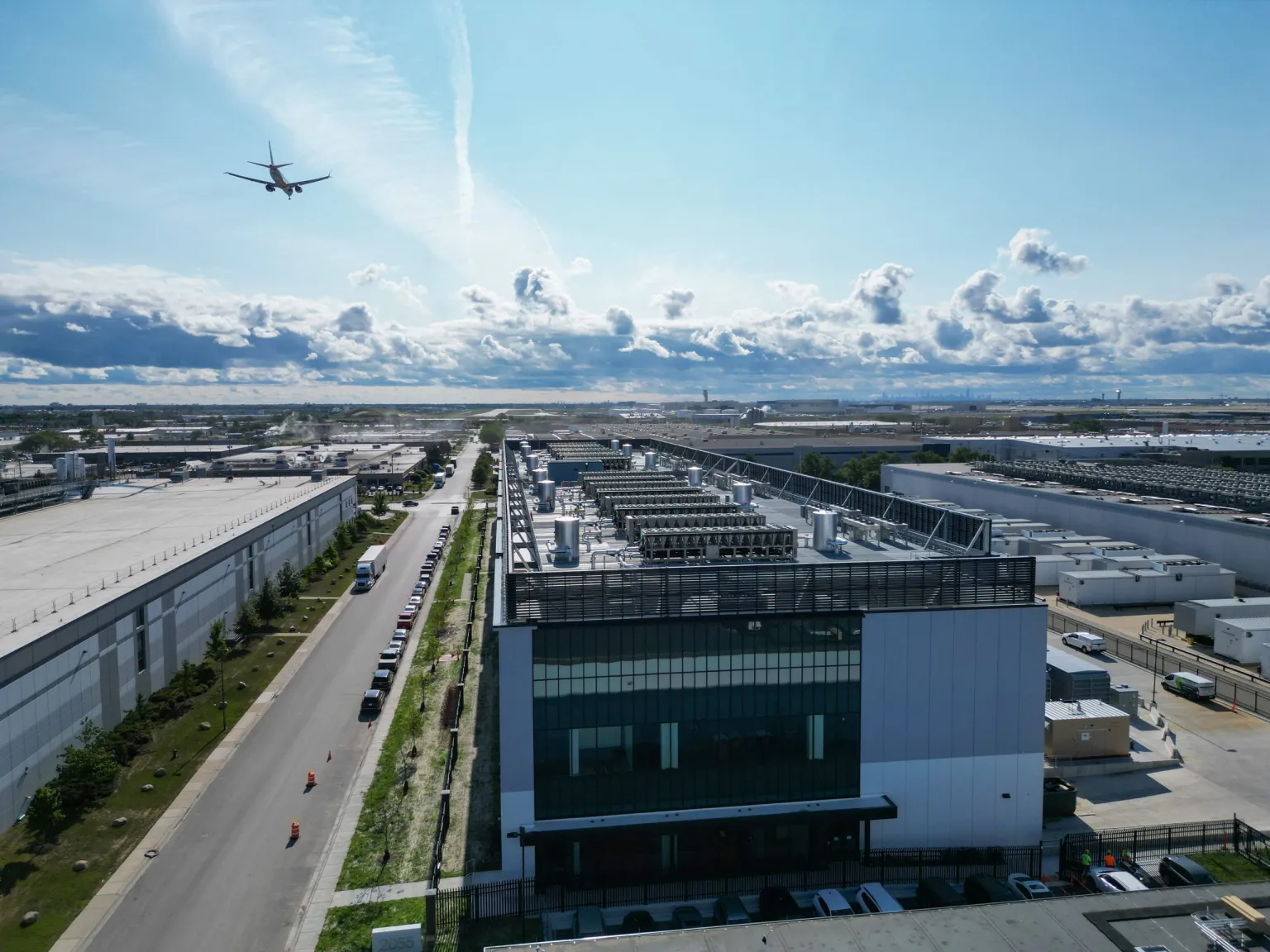
Iren Limited (NASDAQ: IREN), a company operating vertically integrated data centers across Australia and Canada, announced plans to purchase more than 50,000 Nvidia B300 GPUs. The order will expand its total AI computing fleet to approximately 150,000 GPUs.
The additional GPUs are scheduled to be deployed in phases during the second half of 2026. Deployment will take place across the company’s existing air-cooled data centers in Mackenzie, British Columbia, and Childress, Texas. The expansion is aimed at meeting growing demand for “time-to-compute” in the AI cloud market, where customers increasingly compete for faster access to large-scale computing power.
With the expanded GPU fleet, IREN expects its AI cloud infrastructure to support an annualized revenue run rate exceeding $3.7 billion by the end of 2026. The company has been aggressively building capacity in response to the surge in generative AI workloads and enterprise AI adoption.
To support the expansion, IREN has secured approximately $9.3 billion in funding over the last eight months. The financing has come from multiple sources including customer prepayments, convertible notes, and GPU leasing agreements. These funding mechanisms allow the company to scale infrastructure rapidly without relying solely on traditional financing.
In addition to the GPU purchase, IREN plans to invest about $3.5 billion in additional capital expenditure during the second half of 2026. This spending will cover GPUs, servers, networking infrastructure, and labor required to build out new AI computing clusters.
The company has also structured payment terms for the hardware on a post-shipment basis, a strategy designed to improve working capital efficiency while allowing the firm to deploy equipment quickly.
IREN Strengthens Capital Strategy as AI Cloud Demand Grows
Alongside its funding initiatives, IREN has launched an at-the-market equity program as part of its broader capital management strategy. The move gives the company additional flexibility to raise funds while scaling its AI infrastructure.
Co-CEO Daniel Roberts said reaching this level of compute capacity positions the company among the largest providers of AI cloud infrastructure globally. The scale of the expansion underscores how rapidly demand for AI compute is growing as enterprises, startups, and hyperscalers deploy increasingly complex AI models.
Beyond AI cloud services, IREN also operates computing infrastructure used for Bitcoin mining, highlighting how its data center platform supports multiple high-performance computing applications.
Nvidia Invests $2 Billion in Nebius AI Cloud Infrastructure
Another development strengthening Nvidia’s position in the AI ecosystem came from Nebius Group N.V. On March 11, Nvidia announced a $2 billion investment in Nebius through pre-funded warrants aimed at supporting the company’s buildout of multi-gigawatt AI cloud infrastructure.
The partnership also includes deep engineering collaboration between the two companies. Nebius will gain early access to several key Nvidia technologies, including the Rubin AI platform, Vera CPUs, and BlueField data center storage and networking systems.
The agreement aligns Nebius’ expansion strategy with one of the most influential suppliers in the AI hardware ecosystem. By securing early access to Nvidia’s next-generation platforms, Nebius hopes to accelerate its rollout of large-scale AI infrastructure.
The company is already developing major data center projects. One of the most notable initiatives is a planned 1.2-gigawatt AI campus in Independence, Missouri, connected to a municipally owned utility. The project is part of Nebius’ broader strategy to build multi-gigawatt AI data center capacity.
Nebius is also working with major technology companies including Microsoft and Meta through cloud infrastructure contracts tied to AI workloads.
Forecasts Suggest Strong Growth Potential for Nebius
Financial projections suggest that Nebius could generate around $3.2 billion in revenue and approximately $428.7 million in earnings by 2028. Some bullish analysts believe the company could achieve even higher results, estimating revenue of roughly $5.2 billion and earnings of $658 million within the same timeframe.
These projections highlight how AI cloud infrastructure is becoming a critical growth sector. However, analysts also note that such large-scale infrastructure projects come with execution risks, including capital intensity, power availability, and the logistical challenges of building massive data centers.
AI Infrastructure Spending Continues to Accelerate
The latest announcements reinforce a key theme across the technology industry: the rapid expansion of AI infrastructure. Building AI models requires enormous computing power, and companies across the world are racing to build the data centers needed to support that demand.
Nvidia remains at the center of this expansion. Its GPUs power many of the world’s leading AI training clusters and cloud platforms. As AI adoption grows, demand for these specialized chips continues to rise.
Investors looking to understand the broader trend can explore Nvidia’s expanding role in AI infrastructure through its data center platform. Market developments and technology sector trends are also frequently covered by market analysis reports tracking AI spending and stock performance.
For now, Nvidia’s 1.59% stock decline may reflect short-term market volatility. But the surge in AI infrastructure investment — from massive GPU orders to multi-billion-dollar cloud partnerships — suggests the long-term demand for Nvidia’s technology remains firmly intact.
You may also like: Meta Stock Falls 3.43% to $616 After Avocado AI Model Delay

Make Swikblog your go-to source on Google for reliable updates, smart insights, and daily trends.