
Oxford Frozen Foods Limited, a food processor based in Oxford, Nova Scotia, received a $10,000 administrative monetary penalty from the Canadian Food Inspection Agency over inaccurate or misleading country-of-origin claims involving blueberry products.
The CFIA enforcement record shows that the penalty was issued on September 18, 2025 under section 6(1) of the Safe Food for Canadians Act. That provision prohibits food labels, packaging and advertising that are false, misleading or likely to create an incorrect impression.
The case is listed as “review pending” in the agency’s public enforcement information. This means the company has sought a review of the notice and that the matter should not be described as a completed appeal decision.
The publicly available record does not identify where the affected blueberries were grown, reproduce the disputed wording or explain exactly how the origin claim appeared. It also does not state that Oxford Frozen Foods deliberately misrepresented the products.
There is therefore no verified basis to claim that the blueberries were imported, knowingly relabelled or fraudulently packaged. The confirmed finding is narrower: the CFIA issued a financial penalty after determining that a country-of-origin claim connected to blueberry products was inaccurate or misleading.
Read More
What the CFIA penalty means and why Oxford Frozen Foods was cited
The Canadian Food Inspection Agency enforces federal rules covering food safety, advertising, packaging and labelling. It may issue an administrative monetary penalty when a person or business violates the Safe Food for Canadians Act or related regulations.
An administrative monetary penalty is a regulatory enforcement action rather than a criminal conviction. A Notice of Violation identifies the provision involved, the amount of the penalty and the options available to the recipient, including paying the penalty or requesting a review.
Oxford Frozen Foods was one of five businesses penalized over inaccurate or misleading Canadian-origin claims beginning in April 2025. The CFIA said the five penalties totalled $47,000 and involved products such as blueberries, banana bread, broccoli slaw, ghee and cheese.
The other enforcement actions did not necessarily involve the same type of label, evidence or supply arrangement. Each business received a separate notice based on the circumstances identified by the regulator.
The $10,000 amount is the base penalty applied to a business for a violation categorized as very serious under the federal administrative monetary penalty framework. That legal classification does not by itself establish fraud or intentional misconduct.
The CFIA can review claims displayed on packaging, advertisements, websites and retail signs. Its enforcement process may include checking company records, requesting corrections and verifying whether a business has returned to compliance.
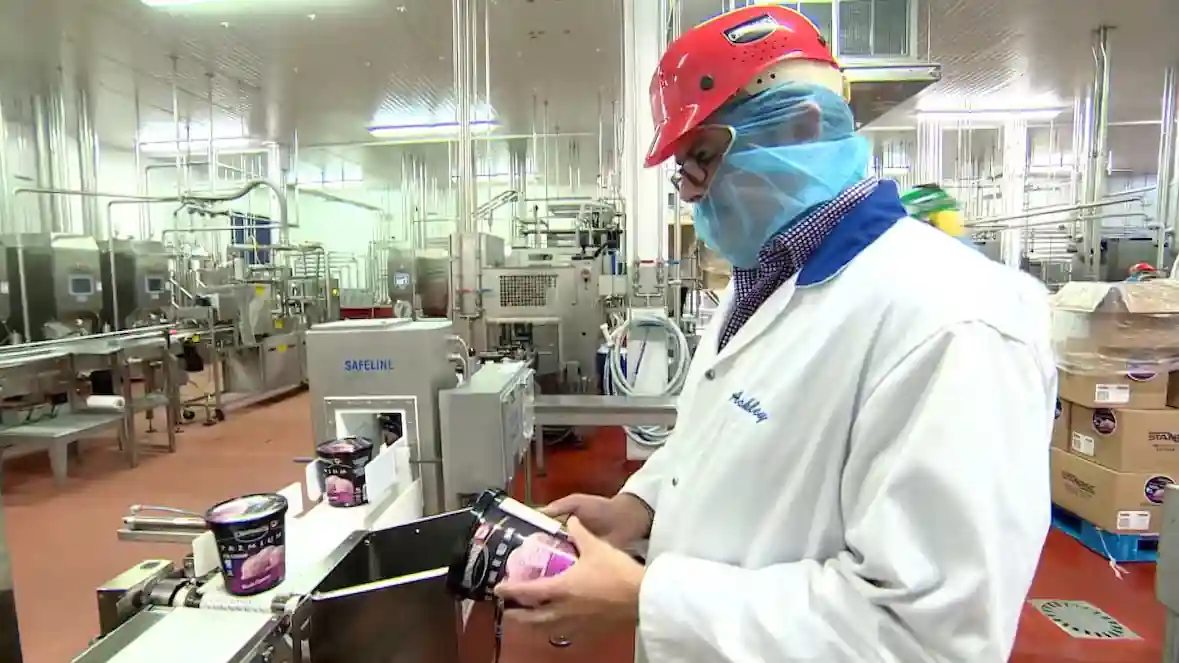
Oxford Frozen Foods has operated in Nova Scotia since 1968. The company describes itself as the world’s largest supplier of wild blueberries and says its wider group includes farming operations and processing facilities in Atlantic Canada and the United States.
According to the company, its Oxford facility processes wild blueberries, frozen carrots and battered food products. It also identifies Halfway River, Nova Scotia, as one of its blueberry-processing locations.
Those company details provide background on the scale and location of the business, but they do not reveal the source of the blueberries involved in the CFIA action. The regulator has not publicly disclosed that information.
The enforcement story comes as the food and beverage industry continues to change in other ways. One recent example is 7 Brew’s opening of 27 new coffee stands in July 2026, illustrating how some chains are expanding their physical presence while consumers closely compare prices, products and brand claims.
Other restaurant businesses have moved in the opposite direction, including the developments surrounding Papa Murphy’s store closures in 2026, which reflect the different operational pressures facing food brands across North America.
Product of Canada versus Made in Canada and what shoppers should check
Country-of-origin wording has become more important as consumers pay closer attention to whether food is grown, manufactured or packaged in Canada. Buy Canadian campaigns and trade tensions with the United States have added to public interest in domestic products.
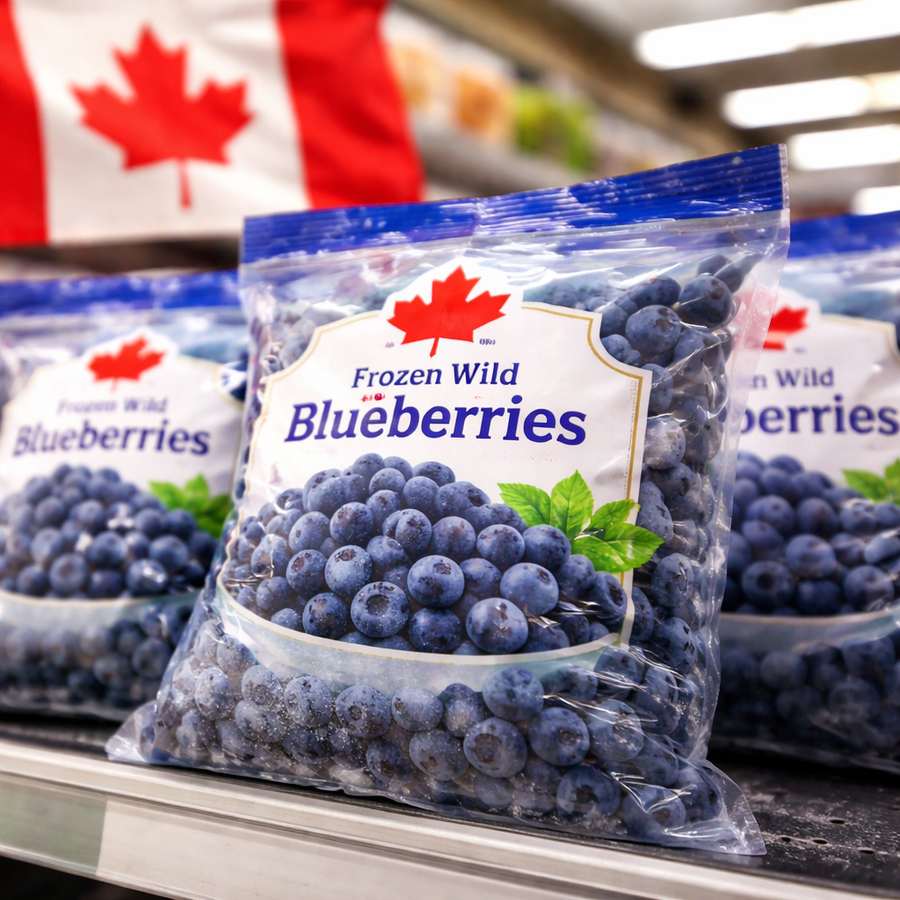
However, a Canadian company name, provincial address, maple leaf or locally themed package does not automatically prove that every ingredient is Canadian. Shoppers need to examine the complete origin statement and any qualifying language printed beside it.
Under the CFIA guidelines for Canadian food-origin claims, “Product of Canada” generally means that all or virtually all significant ingredients, processing and labour are Canadian.
The guideline generally allows only a very small amount of foreign material, usually less than two per cent, when that content is minor and does not affect the product’s Canadian character.
“Made in Canada” has a different meaning. It usually indicates that the product’s last substantial transformation occurred in Canada, but the food may contain Canadian ingredients, imported ingredients or a combination of both.
For that reason, a Made in Canada claim should normally include qualifying wording such as “Made in Canada from domestic and imported ingredients” or “Made in Canada from imported ingredients.”
“Packaged in Canada” is narrower. It describes where the packaging took place and does not necessarily identify where the food was grown, harvested or manufactured.
A Canadian address printed on the label identifies the manufacturer, importer or distributor responsible for the product. It should not automatically be interpreted as a country-of-origin declaration.
Consumers comparing products should look for the exact phrases “Product of Canada,” “Made in Canada,” “prepared in Canada,” “packaged in Canada” or the name of another country. Any smaller qualifying statement beside the main wording should be read as part of the claim.
Shoppers should also separate the origin of the main ingredient from the location where the final product was processed. A food may undergo substantial preparation in Canada while still containing one or more imported ingredients.
Anyone who finds an origin statement unclear can contact the manufacturer or retailer for more information. Concerns about potentially misleading food labels, advertisements or store signs can also be submitted to the CFIA.
For the Oxford Frozen Foods case, the most practical approach is to rely only on what the regulator has confirmed. The company received a $10,000 penalty over an inaccurate or misleading blueberry-origin claim, but the berries’ actual source and the exact disputed wording have not been made public. Consumers should therefore read the complete origin statement rather than drawing conclusions from branding, company addresses or Canadian imagery alone.

Make Swikblog your go-to source on Google for reliable updates, smart insights, and daily trends.