
A team of scientists at the University of California, San Francisco (UCSF) has identified a protein that appears to accelerate brain aging, a discovery that is drawing widespread attention for its potential to reverse memory decline rather than simply slow it.
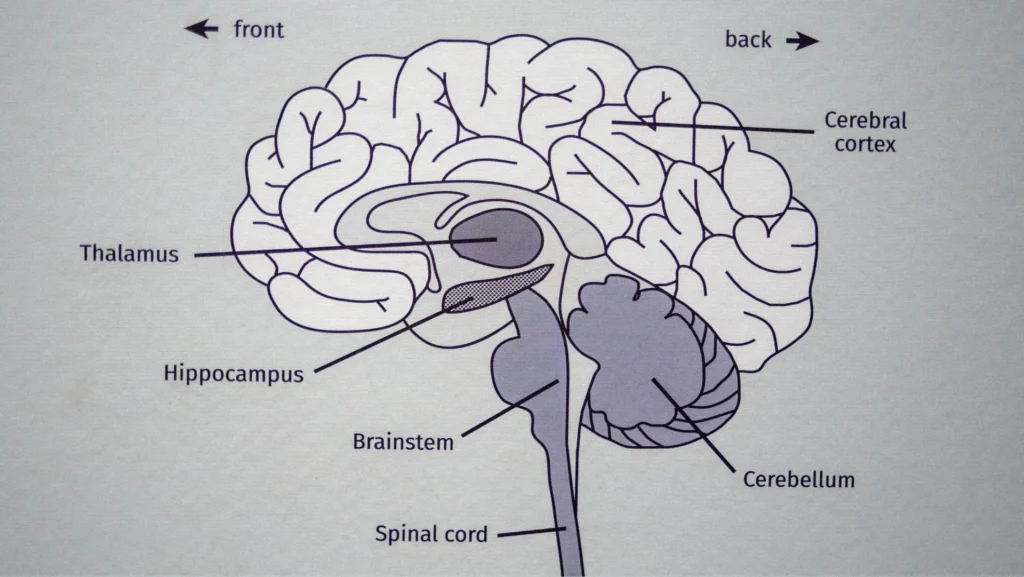
The study, released in early April, focuses on a protein called FTL1, which researchers found accumulates in the hippocampus — the brain’s center for learning and memory — as organisms age. The findings are significant because they suggest cognitive decline may not be an irreversible process, but one driven by specific biological mechanisms that can be targeted.
To understand the protein’s role, researchers compared brain activity in young and old mice. Older mice showed significantly higher levels of FTL1, alongside weaker neural connections and reduced memory performance. But the critical question was whether the protein was a byproduct of aging or a direct cause.
To test this, scientists increased FTL1 levels in younger mice. The result was immediate and striking. Their neurons began to shrink and lose the complex branching structures required for communication, effectively making young brains behave like aged ones.
The most notable breakthrough came when the process was reversed. By reducing FTL1 levels in older mice, researchers observed not just a halt in deterioration, but a rebuilding of neural connections. The treated mice performed significantly better in memory tests, suggesting that existing damage in the brain could be repaired.
How the protein disrupts brain function
Further analysis revealed how FTL1 exerts its effects. High levels of the protein act as a metabolic brake, slowing down energy production within brain cells. Neurons depend heavily on consistent energy supply to maintain synapses — the connections that enable communication across the brain.
As energy production declines, these synaptic connections begin to weaken and disappear, leading to impaired memory and cognitive function. By restoring energy balance through lowering FTL1, researchers were able to revive these connections.
This mechanism places metabolism at the center of brain aging, linking cognitive decline to the broader issue of how cells manage energy over time.
Why the findings matter now
The study arrives at a time when aging populations worldwide are driving urgency around neurodegenerative research. Most existing approaches focus on slowing diseases like Alzheimer’s, but few demonstrate the ability to reverse established damage.
“It is truly a reversal of impairments,” said senior researcher Saul Villeda, emphasizing that the findings go beyond prevention. The results suggest that at least some aspects of brain aging may be biologically reversible under the right conditions.
While the research is still limited to animal models, it opens new directions for therapeutic development. Targeting proteins like FTL1 could offer a more precise approach than broader anti-aging strategies, potentially leading to treatments that restore cognitive function rather than simply delay decline.
Experts caution that translating these findings into human therapies will take time, with further studies needed to confirm safety and effectiveness. Still, the discovery adds to a growing body of evidence that aging is not a uniform process, but one shaped by identifiable and modifiable factors.
More details about the research direction can be explored through UCSF’s official research platform, where ongoing studies continue to examine the biology of aging.
For now, the findings offer a shift in perspective. Rather than viewing memory loss as an inevitable consequence of aging, scientists are beginning to frame it as a condition that may one day be treated — and, in some cases, reversed.
You may also like: Ten Leaves? SM Stays Silent as NCT’s 2026 Future Sparks Fresh Buzz

Make Swikblog your go-to source on Google for reliable updates, smart insights, and daily trends.