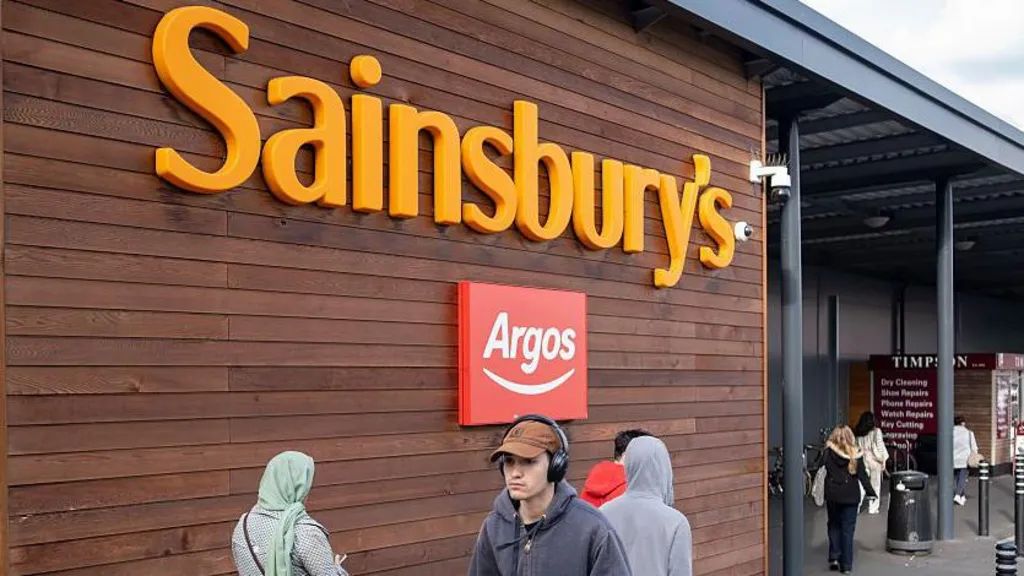

Sainsbury’s has agreed to sell Argos to Swift Partners for at least £120 million, ending a decade of ownership as the supermarket concentrates its resources on food. The deal affects millions of customers, thousands of employees and more than 1,100 collection points, but no immediate changes to shopping, delivery or collection services have been announced.
Argos will retain its brand and continue operating online, through standalone shops and from locations inside Sainsbury’s supermarkets. Nectar participation and the sale of Habitat products through Sainsbury’s will also continue under long-term agreements.
Who is buying Argos?
Swift Partners is a new company created specifically to acquire Argos. Its principal shareholders are former Co-operative Group chief executive Richard Pennycook, former Morrisons executive Trevor Strain, True Capital co-founder Matt Truman and True Capital itself.
Pennycook will become Argos’s executive chair, while Strain and Truman will join its board. Swift says it plans to invest in Argos’s technology, digital operations and nationwide fulfilment network while working with the existing management team.
How does the £120m deal work?
Sainsbury’s will not receive the full amount immediately. At least £70 million is expected when the transaction completes, including proceeds from selling an Argos distribution centre. A further £50 million is due over the following three years.
The final proceeds remain subject to working-capital adjustments and are expected to be offset by separation costs. According to the official Sainsbury’s transaction announcement, lease-adjusted net debt should fall by approximately £250 million because Swift will assume Argos property leases.
Sainsbury’s expects a non-cash impairment of about £350 million. It will remain responsible for the Argos defined-benefit pension scheme, which reported an accounting surplus of £143 million in February 2026.
What is included in the sale?
Swift will acquire Argos’s standalone stores, outlets inside Sainsbury’s, online channels, brands and logistics network. Argos Care, Argos Pet Insurance, the Daventry distribution centre and sourcing offices in Shanghai and Hong Kong are also included.
Argos has around 20 million active customers, with approximately 80% of its sales beginning online. Its Fast Track delivery service reaches more than 90% of UK postcodes.
Will Argos stores close?
No closures have been announced as a direct result of the sale. Argos is expected to continue trading through standalone stores, supermarket locations, online delivery and collection points.
Argos outlets inside Sainsbury’s will remain under a long-term agreement, with the supermarket receiving rental income. This distinction between ownership changes and day-to-day store operations can also be seen in the Asda Blue Owl property deal, where stores continued trading after the financial transaction.
What happens to Argos employees?
Sainsbury’s has described the agreement as “business as usual” for employees, customers and suppliers. Swift says it values the existing workforce and intends to retain Argos’s multichannel operating model.
However, the announcement is not a permanent guarantee against future redundancies or closures. Usdaw, the union representing Argos workers, said the sale would create uncertainty but welcomed commitments to standalone stores, supermarket outlets and local fulfilment centres.
Will Nectar points and Habitat continue?
Argos will continue participating in Nectar and Nectar360. Customers should still be able to collect and spend points after the ownership transfer.
Sainsbury’s will continue selling Habitat products, while Argos will retain access to collection points inside its supermarkets. No immediate changes have been announced for existing orders, deliveries or collections, so customers do not need to take action.
Read More:
Why is Sainsbury’s selling Argos?
Sainsbury’s acquired Argos through its £1.3 billion to £1.4 billion purchase of Home Retail Group in 2016. That transaction included other assets, meaning the earlier price and today’s £120 million proceeds are not directly comparable.
Argos generated only £9 million in underlying operating profit during Sainsbury’s 2025–26 financial year. The sale advances Sainsbury’s “Next Level” strategy to create a simpler, food-focused company with stronger margins and cash flow.
It follows the disposal of the supermarket’s core banking business, ATM operations and Argos Financial Services cards portfolio. Sainsbury’s has also reshaped its financial-services operations through its partnership with NatWest.
Sainsbury’s previously discussed selling Argos to Chinese ecommerce company JD.com, but those negotiations ended in 2025 after the proposed terms changed.
The deal is expected to complete in February 2027, subject to regulatory approval and customary conditions. Full separation could take another 24 months, extending the process to February 2029.
Sainsbury’s expects rental, Nectar and other commercial income to offset the loss of Argos’s profit, producing a broadly neutral impact on underlying operating profit. It has retained its 2026–27 forecast of £975 million to £1.075 billion in underlying operating profit and more than £500 million in retail free cash flow.
Swift must now show that dedicated investment can improve Argos’s profitability while it competes with Amazon, Currys and other online retailers. For customers and employees, operations continue as normal for now, while any longer-term changes remain unannounced.

Make Swikblog your go-to source on Google for reliable updates, smart insights, and daily trends.