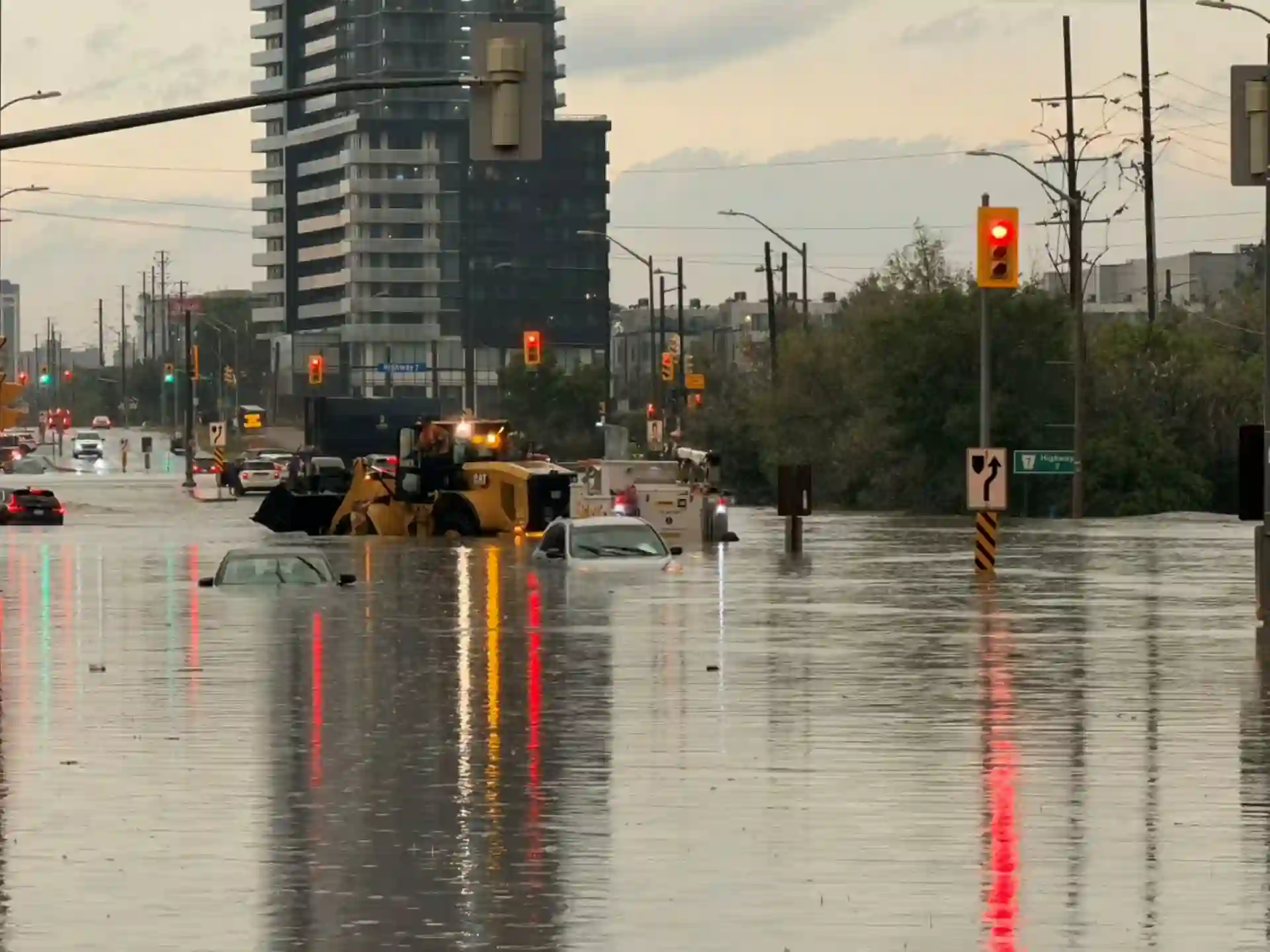
Storm Chandra is the latest named winter storm set to affect the UK, prompting weather warnings for strong winds, heavy rain, snow on higher ground and an elevated risk of flooding. The storm has been named by the Met Office after forecasts showed it could cause widespread disruption and potential danger to life in some areas.
The system is expected to move in from the Atlantic late Monday and into Tuesday, becoming the third major storm to hit the UK this month after Storms Goretti and Ingrid. With ground already saturated and rivers running high, the timing of Chandra significantly increases the likelihood of impacts even from rainfall amounts that might otherwise be manageable.
Storm Chandra has been named by the UK Met Office due to heavy rain and strong winds affecting parts of the UK and Ireland, tomorrow 27/01.
— Met Éireann (@MetEireann) January 26, 2026
Keep up to date with the weather forecast at https://t.co/YJqxvBBwTs pic.twitter.com/7zpZyB08w0
Meteorologists describe Storm Chandra as a deep area of low pressure bringing multiple hazards at once. Forecasts point to periods of persistent rain across southern and western parts of the UK, while strong to severe winds are expected along exposed coasts and over higher ground. Gusts of up to 75mph are possible in some coastal locations, increasing the risk of fallen trees, power outages and structural damage.
Amber weather warnings have been issued in parts of the country, including for wind in Northern Ireland and heavy rain in south-west England. Rainfall totals of 30 to 50mm are expected in many areas, with higher totals of 60 to 80mm possible over elevated ground such as Dartmoor. With little time for water to drain away after recent storms, flooding is considered a major concern.
Further north, colder air interacting with the storm system is likely to turn rain to snow over hills in northern England and Scotland. Accumulations of several centimetres are possible above 300 metres, with deeper snow on higher routes. Strong winds may also lead to drifting snow and reduced visibility in exposed areas.
January has already been exceptionally wet across much of the UK, and Storm Chandra is expected to prolong that pattern. In parts of south-west England, Wales and Scotland, river levels remain high following recent rainfall, meaning additional downpours could quickly lead to surface water flooding and overflowing rivers.
Storm naming in the UK is coordinated between the Met Office, Met Éireann and the Dutch weather service KNMI. Storms are named when they are forecast to bring medium or high impacts, helping ensure warnings are clearer and more easily recognised by the public. Chandra follows Amy and Bram on the 2025–26 naming list, with further storms expected later in the season.
According to Sky News, forecasters are closely monitoring how Chandra interacts with colder air to the north, as this will determine where the heaviest snow falls and how severe travel disruption could become.
With the UK already battered by repeated storms this winter, Storm Chandra underlines how vulnerable communities, infrastructure and transport networks can become when severe weather systems arrive in quick succession, leaving little time for recovery between events.

Make Swikblog your go-to source on Google for reliable updates, smart insights, and daily trends.