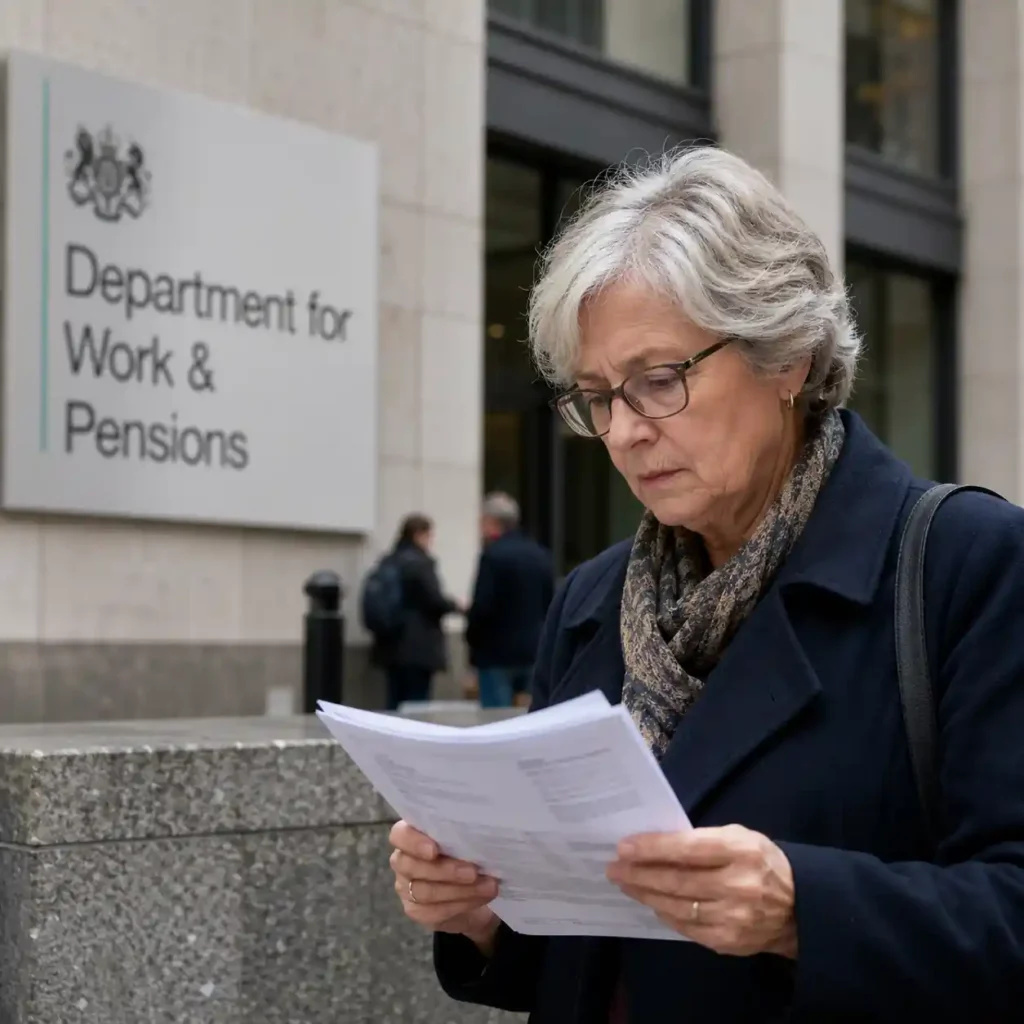

The UK State Pension is heading toward a tax threshold problem that could change how retirees receive their payments from 2027. Ministers are reportedly examining whether income tax should be deducted before State Pension money reaches pensioners, rather than being dealt with later through HMRC.
The idea has emerged because the full new State Pension is now almost level with the frozen personal allowance. If payments rise again next April under the triple lock, some pensioners could find that their State Pension alone crosses the tax-free limit for the first time.
No policy change has been confirmed. The Department for Work and Pensions (DWP) has said there has been no change to the tax treatment of the State Pension. Still, the proposal has raised fresh questions about frozen tax thresholds, pension uprating and how older people would be protected from new paperwork or unexpected deductions.
Why the State Pension Is Approaching a Tax Threshold
The full new State Pension increased to approximately £12,547 a year in April 2026 following a 4.8% rise under the triple lock. That leaves it just £23 below the current personal allowance of £12,570.
The triple lock guarantees that the State Pension rises every April by whichever is highest: inflation, average earnings growth or 2.5%. Meanwhile, the personal allowance has remained frozen since 2021.
If the minimum 2.5% increase applies next April, the full new State Pension would rise to around £12,860, placing it about £290 above today’s tax-free threshold.
This is an example of fiscal drag, where frozen tax thresholds gradually pull more people into paying tax even though tax rates themselves do not increase.
Why Ministers Are Considering a Different Tax Collection System
Reports indicate that the Treasury and the DWP are exploring whether income tax could be deducted before State Pension payments are made, similar to the PAYE system used for salaries.
Currently, the State Pension is paid in full without tax being deducted at source, even though it counts as taxable income. HM Revenue & Customs (HMRC) normally collects any tax through other income sources, tax code adjustments or direct tax bills.
Officials are reportedly discussing a model where basic-rate tax could be deducted automatically and the final amount reconciled after the end of the tax year. Pensioners who overpaid could receive refunds, while those with additional income could still owe further tax.
How Much Could Pensioners Pay?
If the full new State Pension reaches approximately £12,860 while the personal allowance remains unchanged, the taxable amount would be about £290. At the basic income tax rate of 20%, that would create an estimated annual tax bill of around £58.
For many retirees, the financial impact may be relatively modest. However, the proposed change is significant because it could alter how millions of pensioners receive their payments.
In the current tax year, someone receiving the full new State Pension needs only £23 of additional taxable income, such as from a workplace pension, private pension or savings interest, to exceed the personal allowance.
Rachel Reeves’ Earlier Commitment
The discussion has attracted political attention because Chancellor Rachel Reeves previously said pensioners whose only income is the State Pension would not have to complete a tax return. She also said the government was working on a solution so this group would not face unnecessary administrative burdens.
If tax were deducted before payments are made, ministers would need to explain how that commitment fits with any new system, particularly if pensioners initially have money deducted before later receiving a refund.
Who Could Be Most Affected?
The issue mainly concerns people receiving the full new State Pension introduced for those reaching State Pension age on or after 6 April 2016. However, retirees receiving the older State Pension may also pay tax depending on their total annual income.
Reports citing pension consultancy analysis suggest only around 800,000 of the UK’s approximately 13.2 million State Pension recipients would have benefited from earlier proposals aimed at protecting pensioners who rely solely on the State Pension.
Many retirees with workplace pensions or private pension income already pay tax through existing HMRC systems, but the proposed changes could affect how that tax is collected in future.
Challenges the Government Would Need to Solve
Introducing automatic tax deductions would require significant changes to the systems used by both HMRC and the DWP. Accurate tax records, payment calculations and refund arrangements would all need to work together smoothly.
Pension experts have also highlighted the importance of clear communication, particularly for retirees who have never previously dealt with income tax on their State Pension.
Any mistakes involving tax codes, multiple income sources or delayed refunds could create confusion for pensioners who rely on regular payments to cover essential household expenses.
Read More
What Happens Next?
At this stage, the proposal remains under consideration and has not become government policy.
The DWP has stated: “There has been no change to the tax treatment of the State Pension. The Government routinely undertakes research to better understand pensioners’ experiences with the tax system.”
The next key milestone will be confirmation of the 2027 State Pension increase and whether the personal allowance remains frozen. Those decisions will determine whether ministers need to introduce a new way of collecting income tax from State Pension payments.
As policymakers continue reviewing pension tax rules, other government measures are also affecting household finances. For example, the UK VAT cut on theme park tickets and kids’ meals highlights how wider tax policy changes can influence everyday spending.
For official information about State Pension eligibility, payment rates and tax rules, visit the UK Government State Pension guidance.

Make Swikblog your go-to source on Google for reliable updates, smart insights, and daily trends.