
Travel • Canada
A seating-change plan that would have made some flights feel tighter is off the table—after customers pushed back and competitors moved quickly to highlight comfort.
By Swikriti • January 17, 2026
WestJet has reversed course on a plan linked to reduced legroom on some aircraft after a wave of passenger criticism, a rare and public U-turn that shows how sensitive travellers are to cabin comfort right now. The issue spread fast because it touches a universal pain point: people already feel squeezed in economy, and any hint of “less space” instantly becomes a lightning rod.
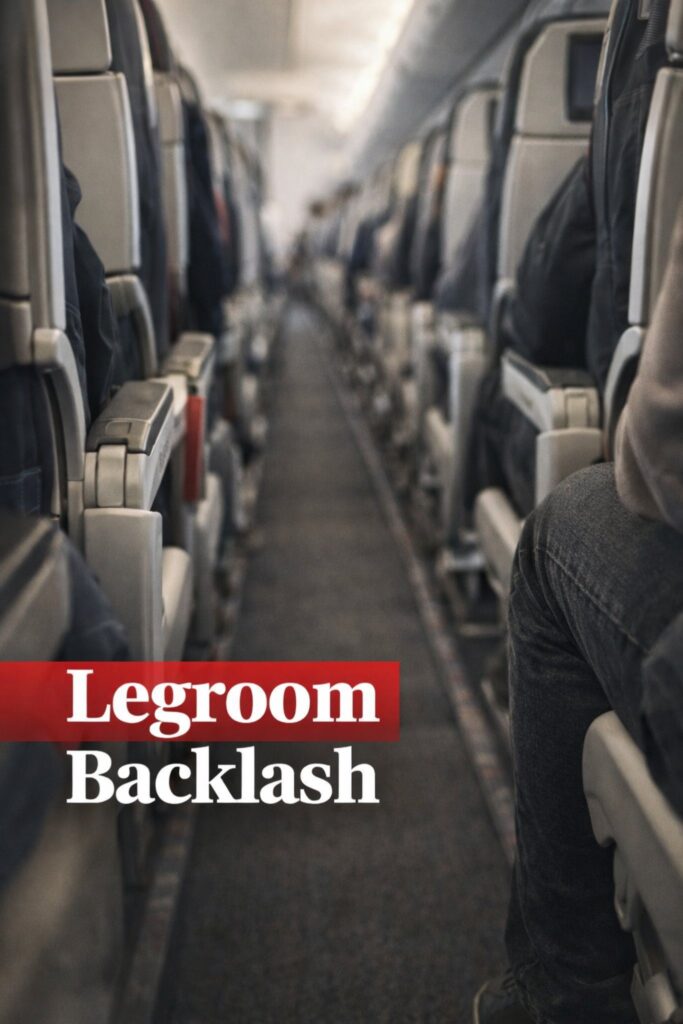
In plain terms, the controversy centred on a tighter seating layout—often described as “densifying” the cabin—where airlines can fit more seats by adjusting spacing. Even small changes can feel big on a two- to five-hour flight: knees closer to the seat ahead, less room to shift, and a cabin that feels more crowded during boarding and service.
WestJet’s decision to back down comes at a moment when passengers are paying close attention to value. Fares can be high, add-on fees are common, and travellers want to feel they’re getting something tangible for what they spend—especially on routes where alternatives exist.
What sparked the backlash?
The reaction wasn’t just about centimetres or inches. It was about trust. Many passengers have a clear memory of how air travel “used to feel,” and they’re quick to interpret reduced space as a quality downgrade—particularly when airlines also promote premium upgrades, paid extra-legroom seats, and bundled fares.
Once the story hit mainstream news, the conversation expanded beyond WestJet. Customers began comparing carriers, asking which planes and routes have the most comfortable economy seating, and sharing tips for avoiding cramped rows. That kind of chatter tends to amplify quickly because it’s personal: nearly everyone has had a flight where comfort was the difference between arriving okay and arriving exhausted.
For travellers who want the most reliable reference point, start with official sources for each airline’s fleet and cabin information. WestJet’s fleet details and updates can be found on its official site (see WestJet), while Air Canada publishes aircraft and seating information through its own channels (see Air Canada).
Why Air Canada entered the story
The most interesting part of this news cycle is how quickly competitors responded. Reports suggest Air Canada has moved to add more legroom to certain seats—an announcement that reads like a strategic counterpunch. When one airline takes heat for “less space,” another can win goodwill by signaling “more comfort,” even if the change applies only to selected aircraft or seat types.
This is the new airline marketing reality: comfort is a headline. Legroom is easy to understand, easy to compare, and easy to get emotional about. For airlines, that makes it powerful—but risky. Any plan that reduces perceived comfort can trigger a backlash that outweighs operational benefits.
What this means for your next booking
If you’re planning travel soon, the key takeaway is that “airline” is only half the story—aircraft type and seat selection often matter just as much. Two flights with the same airline can feel completely different depending on the plane, the row, and whether the seat is a standard economy seat or a preferred/extra-legroom option.
- Check the aircraft before you pay. Most booking pages show the aircraft model. If you’re sensitive to legroom, note it and compare across times or carriers.
- Look at the seat map early. Even without exact measurements, seat maps can reveal rows with more space (bulkhead, exit rows) or less (near lavatories, tighter rear sections).
- Watch the “fare family” wording. Some cheaper fares restrict seat selection or push you into automatic assignments, which can increase the chance of a tight middle seat.
- Don’t assume upgrades are the only answer. Sometimes the best value is simply choosing a different departure time with a different aircraft.
If you’re already booked and worried about comfort, it’s worth re-checking your itinerary details and seat assignment. In many cases you can pay a modest fee to move into a preferred seat, or switch flights (sometimes for a fee) if another aircraft looks more comfortable.
The bigger picture: why legroom keeps becoming a headline
Airlines operate on thin margins, and adding seats can increase revenue per flight. But the customer experience tradeoff is real. When cabins feel tighter, boarding feels slower, carry-on competition feels sharper, and even short flights feel more draining. That’s why “legroom” has become shorthand for a broader question: Is the airline improving the experience—or squeezing it?
WestJet’s reversal shows the reputational cost can be immediate. In a market where customers can compare options in seconds, comfort messaging lands fast. The airlines that win are often the ones that make travellers feel respected—through clear communication, predictable policies, and a cabin experience that doesn’t feel like it’s shrinking year after year.
What to watch next
The next development will likely be clarity: which aircraft were affected, whether any seating changes were ever implemented, and what comfort-related updates passengers can expect going forward. Travellers will also watch whether other airlines quietly adjust seat offerings—either to match the “more space” narrative or to avoid becoming the next brand in the hot seat.
For ongoing travel updates and consumer-focused explainers, you can browse the latest on Swikblog.
WestJet legroom reduced, WestJet seating layout, WestJet backlash, Air Canada more legroom, Canada airline seats, economy seat space, flight comfort tips, seat map legroom, Canadian airlines travel news, WestJet reverses decision
Note: Airline cabin configurations can vary by aircraft and route. Always confirm your aircraft type and seat options at booking and again before departure.

Make Swikblog your go-to source on Google for reliable updates, smart insights, and daily trends.