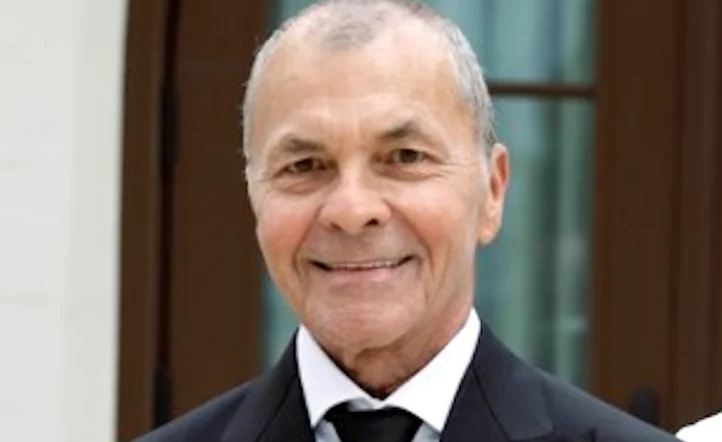
Oliver Tree, the American singer, songwriter and visual artist known for his eccentric image and viral pop hits, has reportedly died at the age of 32 after a helicopter crash in Brazil.
Early reports said Tree was among those listed as passengers after two helicopters collided over Rio de Janeiro on Sunday morning. Authorities said six people were killed in the crash, which happened in the city’s western zone. One aircraft reportedly came down near a car dealership, triggering a fire among parked electric vehicles before emergency crews brought it under control.
The crash remains under investigation, and officials were still working through the formal identification process. The Associated Press reported that police said Oliver Tree was on the passenger list handed to aviation authorities, while the victims had not all been formally identified at the time of the initial report.
🚨🇧🇷 NEW: At least 6 people have died after two helicopters collided over Rio de Janeiro
— Politics Global (@PolitlcsGlobal) June 14, 2026
American singer Oliver Tree is reportedly among the victims pic.twitter.com/mU9fQXGTuJ
Oliver Tree’s death has sent shockwaves through fans who followed his unusual mix of music, comedy, internet culture and surreal visuals. His career was never built like a traditional pop act. It was part performance art, part viral theatre and part sharp alternative-pop songwriting.
Oliver Tree’s Famous Work and Career
Born Oliver Tree Nickell in Santa Cruz, California, he built a devoted global following through a style that mixed alternative pop, electronic music, hip-hop, comedy and exaggerated visual characters. His bowl-cut hairstyle, oversized clothing and absurdist videos became central to his identity, helping him stand apart in a crowded digital music era.
Tree first gained wide attention after songs such as “When I’m Down” introduced his offbeat sound to a larger audience. His debut album, “Ugly Is Beautiful,” released in 2020, became a defining moment in his career, pairing emotional lyrics with satirical visuals and a chaotic public persona.
His biggest mainstream breakthrough came with “Life Goes On,” a track that found a second life across TikTok, streaming platforms and short-form video culture. The song’s simple hook and bittersweet tone helped introduce Tree to listeners who may not have followed his earlier alternative work.
Another major hit, “Miss You,” became one of his most recognised songs internationally. The track pushed his name deeper into pop culture and helped cement him as an artist whose music could move between internet virality and mainstream radio appeal.
Tree was also known for songs including “Hurt,” “Let Me Down,” “Cash Machine,” “Miracle Man,” “Alien Boy,” and “Cowboys Don’t Cry.” His later projects continued to expand his deliberately strange public image, often blurring the line between sincerity and parody.
A Career Built on Sound, Image and Internet Culture
Oliver Tree’s appeal came from more than his songs. He created a full visual universe around his music, using comedy, costumes, stunts and carefully constructed characters to make each release feel like part of a larger performance.
For many younger fans, he represented a new kind of musician shaped by streaming platforms, memes and video-first culture. His work often carried a comic surface, but beneath the absurdity were themes of loneliness, frustration, heartbreak and self-doubt.
The reported crash in Brazil has left fans revisiting the songs and videos that made him one of the more distinctive figures in alternative pop. His music found a rare space between emotional vulnerability and internet-age absurdity, making him instantly recognisable even to casual listeners.
As authorities continue their investigation into the Rio helicopter collision, tributes and reactions are expected to grow from fans, artists and collaborators who saw Oliver Tree as one of modern pop’s most unusual and memorable performers.

Make Swikblog your go-to source on Google for reliable updates, smart insights, and daily trends.