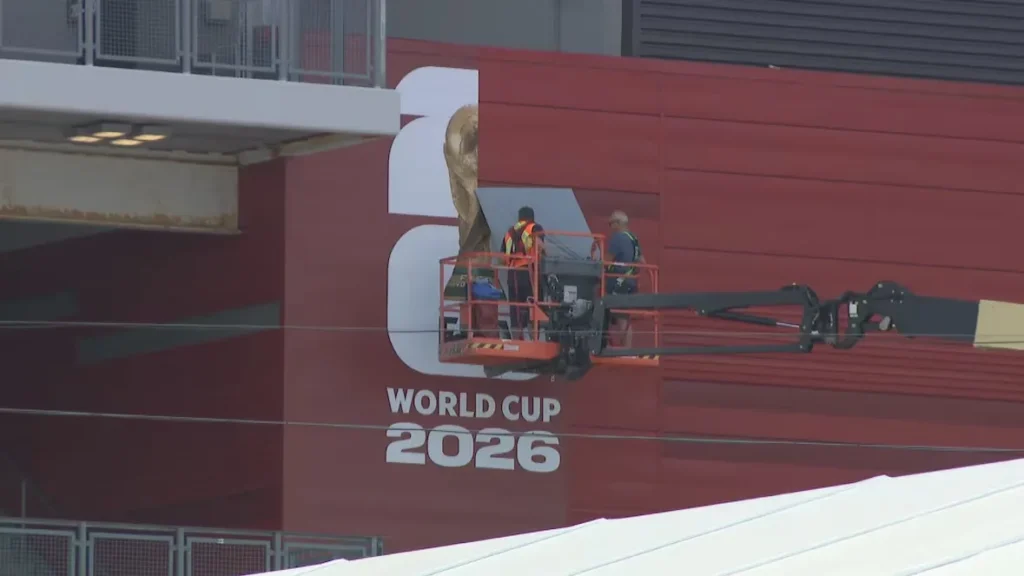

Toronto’s FIFA World Cup 2026 hosting run has ended on the pitch, but the financial debate around the event is only getting louder. After staging six matches, the city is now facing a harder question than whether fans enjoyed the tournament: did the public investment create enough measurable economic return for local businesses, residents and taxpayers?
Early spending figures suggest the answer is mixed. Toronto gained global attention, packed fan areas and a rare civic celebration built around football. But restaurant and bar spending rose only modestly during the city’s first two tournament weeks, raising fresh questions about the real value of hosting mega sporting events.
A Global Event With A Modest Local Spending Lift
Toronto’s official World Cup hosting duties are now complete, with temporary FIFA signage, banners and event infrastructure being removed after the city’s six-match schedule. While the wider tournament continues until July 19, Toronto will not host any more official teams or matches.
The first major business signal comes from Moneris payment data covering June 12 to June 26. During that period, debit and credit card spending at Toronto restaurants and bars increased by just 3% compared with the same period last year.
International visitors did spend more, with overseas restaurant and bar spending up 34%. That shows the tournament brought new visitor activity into the city, but the overall gain was still smaller than many expected from one of the world’s biggest sports events.
The Taylor Swift Comparison Makes The Numbers Stand Out
The World Cup figures look more restrained when compared with Taylor Swift’s Eras Tour stop in Toronto in November 2024.
During that concert period, overall restaurant spending rose 12%, while international visitor restaurant spending increased 57%. Both figures were stronger than the early World Cup spending gains recorded in Toronto.
Hotels were one area where the World Cup performed more strongly. Hotel spending rose 18% during the first two weeks of tournament activity compared with the same period in 2025. That was slightly higher than the 16% hotel spending increase recorded during the Eras Tour period.
The comparison matters because it challenges a common assumption: a global sports tournament does not automatically produce a bigger local spending boom than a major entertainment event.
Why Big Crowds Do Not Always Mean Big Local Gains
Large events can shift spending rather than simply add new money to the local economy. Some residents may avoid downtown areas because of crowds, road closures or security restrictions. Some regular tourists may delay trips. Some visiting fans may spend mainly around stadiums, hotels or official fan zones instead of across wider neighbourhoods.
That means a packed stadium can create strong atmosphere without creating an equally strong citywide business boost. The real economic value depends on how long visitors stay, where they spend, and whether normal local activity is displaced during the event.
For restaurants and bars outside the busiest fan corridors, the World Cup may have felt less like a financial windfall and more like a short, uneven boost.
The Public Cost Remains The Biggest Issue
The spending data is being judged against a much larger public bill. The Parliamentary Budget Officer estimated Canada’s FIFA World Cup 2026 hosting costs at about $1.066 billion. The official analysis is available through the Parliamentary Budget Officer’s report on federal financial support for the 2026 FIFA Men’s World Cup.
Toronto’s estimated cost was about $380 million for six matches. Vancouver’s seven matches were estimated at roughly $578 million. Those figures include security, operations, transportation planning, temporary infrastructure and other host-city responsibilities.
This is why even a small spending increase becomes politically important. A city can deliver a successful public event and still face difficult questions if the financial return appears limited compared with the taxpayer cost.
Who Benefits Most From The World Cup Model?
The Toronto experience also highlights a larger issue with mega-event economics. Organizations such as FIFA control major commercial rights, sponsorships and tournament branding, while host cities often handle expensive local responsibilities needed to make the event work safely.
Former Toronto mayor David Miller has argued that cities need to negotiate harder with major sports organizations because too many costs can fall on host governments. At the same time, he has acknowledged that the World Cup can create community pride, excitement and a memorable public experience.
That tension sits at the centre of Toronto’s post-event debate. The tournament may have succeeded emotionally and culturally, even if the financial return remains harder to justify.
Toronto Is Already On The Global Map
One common argument for hosting global sporting events is that they introduce a city to the world. That argument may be stronger for destinations trying to build international recognition. It is less clear for Toronto, which is already a major global city with established tourism, business and cultural visibility.
For Toronto, the question is not whether people now know the city exists. The better question is whether the event changed travel behaviour enough to justify the cost.
Montreal’s earlier decision not to host World Cup matches is now part of that discussion. Its withdrawal showed that some cities are willing to walk away when the expected cost, disruption and financial uncertainty appear too high.
Read More
Municipalities May Not Capture The Full Upside
Another challenge is that costs and benefits do not always land in the same place. Municipal governments often manage local services, traffic planning, crowd control, public spaces and venue-area operations.
However, some tax benefits from extra spending flow more directly to provincial and federal governments. That means a city can carry major operational costs while other levels of government receive a larger share of the revenue upside.
This imbalance may become a major issue in future Canadian bids for international sports events, especially if municipalities demand stronger financial protection before agreeing to host.
Canada’s Tournament Role Continues
Toronto’s matches are over, but Canada’s World Cup calendar is not finished. Vancouver remains part of the knockout schedule, with a Round of 16 match set for July 7. Fan festivals and public viewing events are also expected to continue across the country until the final on July 19.
Questions about hosting costs have been part of the tournament discussion throughout the summer, particularly as cities balanced security, transportation and public spending alongside the fan experience. Those issues became increasingly visible during the tournament, including concerns over World Cup safety measures, traffic disruptions and hosting costs across Canada.
What Readers Should Watch Next
The next step is a fuller accounting of hotel bookings, restaurant sales, tourism activity, transit use, public spending and long-term benefits. Early data does not erase the energy of the tournament, but it does show why host cities need more than packed fan zones when measuring success.
Toronto proved it can host a major global football event. The more difficult lesson is that future host-city deals may need clearer public reporting, stronger cost-sharing terms and a more realistic view of who actually profits when the world comes to town.

Make Swikblog your go-to source on Google for reliable updates, smart insights, and daily trends.