Westpac has become the first of the big banks to push longer-term fixed mortgage rates higher again, lifting key 2–5 year home-loan rates by 30 basis points while nudging term-deposit returns up as wholesale funding costs rise.
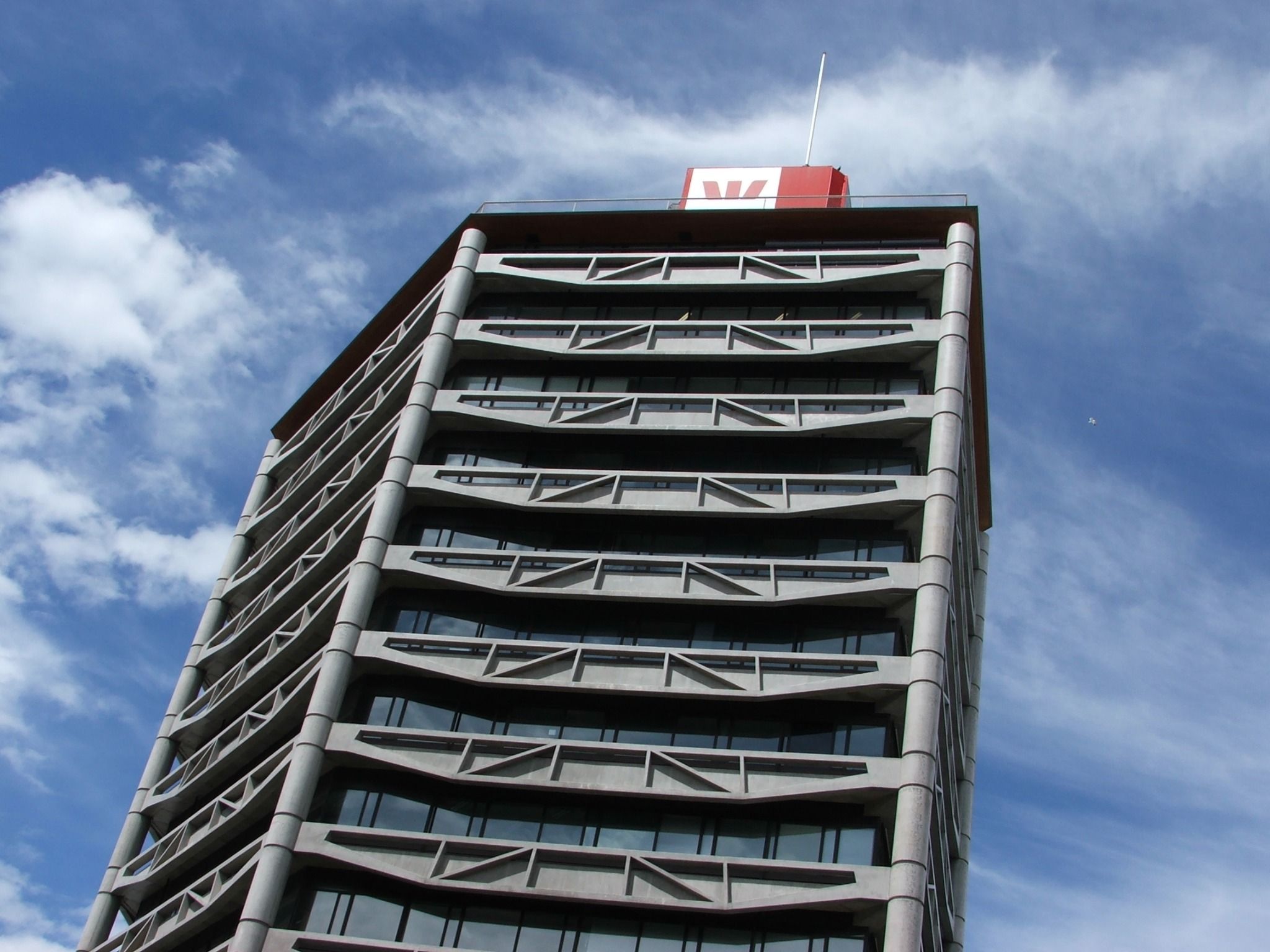
What Westpac is changing
Westpac New Zealand is increasing its longer-term fixed home-loan rates by 30 basis points (0.30 percentage points) on terms from two to five years. At the same time, the bank is cutting its six-month special rate by 20 basis points, taking it to an advertised 4.69% p.a., which now sits among the lowest short-term specials in the big-five pack.
On the savings side, Westpac is also lifting selected term-deposit and Term PIE rates. Two- to five-year investments are up by around 30 basis points, while popular 12- and 18-month terms are rising by about 10 basis points, giving savers slightly more reward for locking money away.
The moves were confirmed in Westpac NZ’s own rate-change announcement and reported by local media including the New Zealand Herald, 1News and Scoop Business.
Why are longer-term mortgage rates going up now?
The increase comes only weeks after the Reserve Bank cut the Official Cash Rate (OCR), which had led many borrowers to expect further mortgage relief. Instead, longer-term fixed rates are moving the other way.
Westpac and other analysts point to a sharp rise in wholesale swap rates since the RBNZ’s November decision. These are the market interest rates banks pay to fund longer-term lending. When swap rates climb faster than the OCR falls, the cost of providing fixed-term mortgages increases, squeezing bank margins.
In its latest NZ Weekly Economic Insight, Westpac’s economics team noted that long-term wholesale rates had “increased noticeably”, warning that some fixed home-loan rates might soon rise. That’s now happening, with Westpac the first big bank off the mark.
Independent analysis on Interest.co.nz has also highlighted how banks are being forced to keep term-deposit rates relatively high to attract savers, even as the OCR falls. That combination — higher wholesale funding costs and competition for deposits — limits how far, and how fast, fixed mortgage rates can drop.
How much more could homeowners pay each month?
To show the impact of a 30-basis-point rise, we’ve modelled an illustrative example using a NZ$500,000 home loan on a 30-year term. We assume the interest rate moves from 5.00% to 5.30% — a 0.30 percentage point increase that mirrors Westpac’s 30 bps hike, but is for demonstration only (actual carded rates vary by term and borrower).
| Scenario (Illustrative) | Interest Rate | Monthly Repayment (30-year term, NZ$500,000 loan) |
|---|---|---|
| Before 30 bps rise | 5.00% | NZ$2,684 per month |
| After 30 bps rise | 5.30% | NZ$2,777 per month |
| Extra cost | +NZ$92 per month |
Over a full five-year fixed term, that extra NZ$92 a month adds up to roughly NZ$5,500 more in repayments. For heavily-stretched households, that’s a meaningful extra cost just as many other living-cost pressures remain elevated.
Westpac’s own repayment tools and calculators, as well as independent mortgage calculators from sites like Interest.co.nz, can help borrowers plug in their actual loan size and rate to see the exact dollar impact on their budget.
What does this mean if your fixed rate is rolling off?
For borrowers coming off ultra-low pandemic-era rates, the timing of Westpac’s move is crucial. Many households are refixing in late 2025 and early 2026, just as the market seems to be signalling that the current cycle of cheaper fixed rates may have bottomed out.
If your rate is due to expire in the next few months, Westpac allows customers to refix up to 60 days before the end of their current term. Other major banks offer similar options. That means some borrowers may still be able to lock in a rate before any further increases, but the window is narrowing.
Mortgage advisers say borrowers should:
- Compare offers across multiple banks, including refix specials and cashback deals.
- Think about splitting their loan across different terms (for example, part 1-year, part 3-year) to spread risk.
- Stress-test their budget at slightly higher rates, in case wholesale funding costs push fixes up again.
What about savers and term deposits?
While homeowners feel the pinch, savers get a small boost. Westpac is lifting longer-dated term deposit and Term PIE rates broadly in line with the 30-basis-point mortgage move, and slightly increasing popular 12- and 18-month options.
With inflation easing but still above the RBNZ’s midpoint target, many savers are using comparison tools like MoneyHub’s term-deposit table to chase the best after-tax returns across banks and non-bank lenders.
Financial advisers caution that locking too far out on term deposits can be a trade-off: you gain certainty, but you also risk missing out if rates move higher again. For conservative savers though, Westpac’s new rates may look more appealing than they did a few weeks ago.
Will other banks follow Westpac?
Market watchers note that when one major bank moves, others often respond. Westpac’s decision follows weeks of commentary from economists warning that fixed rates were unlikely to fall much further, and might even edge higher if global markets pushed up longer-term funding costs.
Analysts will now be watching closely to see whether ANZ, ASB, BNZ and Kiwibank adjust their own 2–5 year fixed cards in the coming days, or choose to compete by holding rates steady for longer.
For now, the key message to homeowners is clear: don’t assume that fixed mortgage rates will automatically track the OCR lower. Wholesale markets, bank funding costs and competition for deposits are increasingly calling the shots.
You may also like

Make Swikblog your go-to source on Google for reliable updates, smart insights, and daily trends.