
What’s the weather going to be? It’s one of the most asked questions in the world. Today, getting the answer takes just seconds — a quick tap on your smartphone or a glance at the TV screen. But behind that simple forecast lies one of the most powerful and complex global systems ever created.
World Meteorological Day 2026, celebrated on 23 March, shines a spotlight on this invisible system. With the theme “Observing Today, Protecting Tomorrow,” the day highlights how weather observations are not just about forecasts — they are about saving lives, protecting economies, and building resilience for the future.
To explore the official campaign and global initiatives, visit the World Meteorological Organization’s official page and check real-time forecasts via the World Weather Information Service.
1. A global system working silently behind every forecast
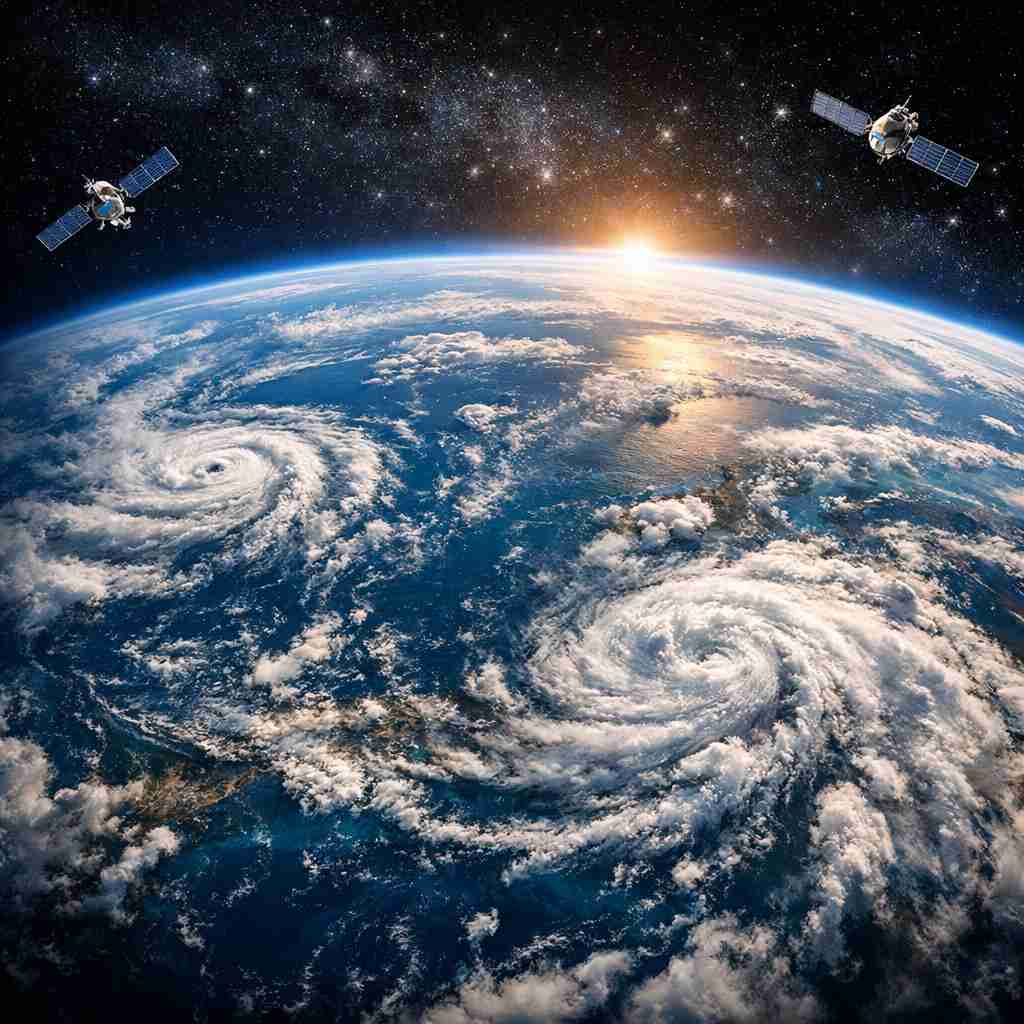
Every weather forecast you see is powered by millions of observations collected across the planet. From satellites orbiting Earth to weather balloons rising into the atmosphere, from ocean buoys floating in deep seas to ships and aircraft collecting data mid-journey — all of these contribute to one massive, coordinated network.
This system is orchestrated by the World Meteorological Organization (WMO), which ensures the free and open exchange of observational data across countries. No matter where you are — on land, at sea, or in the air — the forecast you rely on depends on this global cooperation.
It is an extraordinary system, often invisible to the public, yet essential to modern life.
2. The backbone of early warning systems saving millions of lives
The observing and prediction system is often described as the central nervous system of our planet. It powers early warning systems that detect storms, floods, heatwaves, and other extreme weather events before they strike.
These warnings have already saved millions of lives worldwide. Governments can evacuate communities, farmers can protect crops, and emergency services can prepare resources in advance. Without accurate observations, these life-saving alerts would not be possible.
In a world facing increasing climate risks, early warnings are no longer optional — they are essential.
3. Weather observations drive billion-dollar decisions daily
Weather data is not just about knowing whether to carry an umbrella. It plays a critical role in global economies. Aviation routes, shipping operations, agriculture planning, energy supply, construction timelines, and disaster management all rely heavily on accurate forecasts.
Major financial decisions, worth billions of dollars, are influenced by meteorological data every day. A slight improvement in forecast accuracy can reduce losses, improve efficiency, and boost productivity across industries.
This is why the WMO-coordinated system is considered a backbone of global economic stability.
4. Closing the observation gap is key to future resilience
Despite its strength, the global observing system still has gaps — especially in remote regions, developing countries, oceans, and small island states. These gaps can limit forecast accuracy and delay warnings in the most vulnerable areas.
World Meteorological Day 2026 highlights the urgent need to close these observation gaps. Strengthening monitoring networks, investing in technology, and improving global data sharing are critical steps toward ensuring that no region is left behind.
Better observations today mean stronger protection tomorrow, especially for communities most exposed to climate change.
5. Building a safer and more resilient future
The theme “Observing Today, Protecting Tomorrow” is not just about science — it is about action. Weather, climate, and water observations help societies prepare for long-term challenges such as rising temperatures, changing rainfall patterns, and increasing extreme events.
By improving forecasting systems and expanding early warning coverage, countries can reduce disaster risks, protect infrastructure, and strengthen community resilience. This is especially important as climate-related disasters become more frequent and intense.
In simple terms, better data leads to better decisions — and better decisions save lives.
Why World Meteorological Day 2026 matters more than ever
Most people take weather forecasts for granted. But behind every accurate prediction lies a complex, global collaboration of science, technology, and data sharing. This system operates continuously, quietly supporting everything from daily routines to national economies.
World Meteorological Day is a celebration of this global effort — from scientists and meteorologists to engineers and data specialists — all working together to observe the Earth and protect its people.
As climate challenges grow, the importance of this system will only increase. Investing in observations, improving forecasts, and expanding early warning systems are no longer future goals — they are present-day necessities.
Because in today’s world, observing the planet is the first step toward protecting it.

Make Swikblog your go-to source on Google for reliable updates, smart insights, and daily trends.