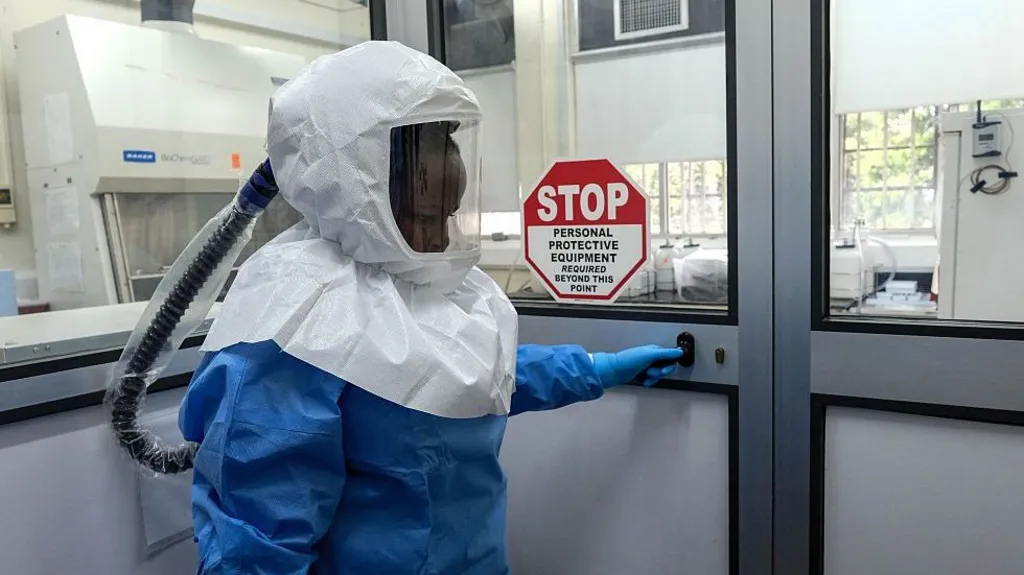
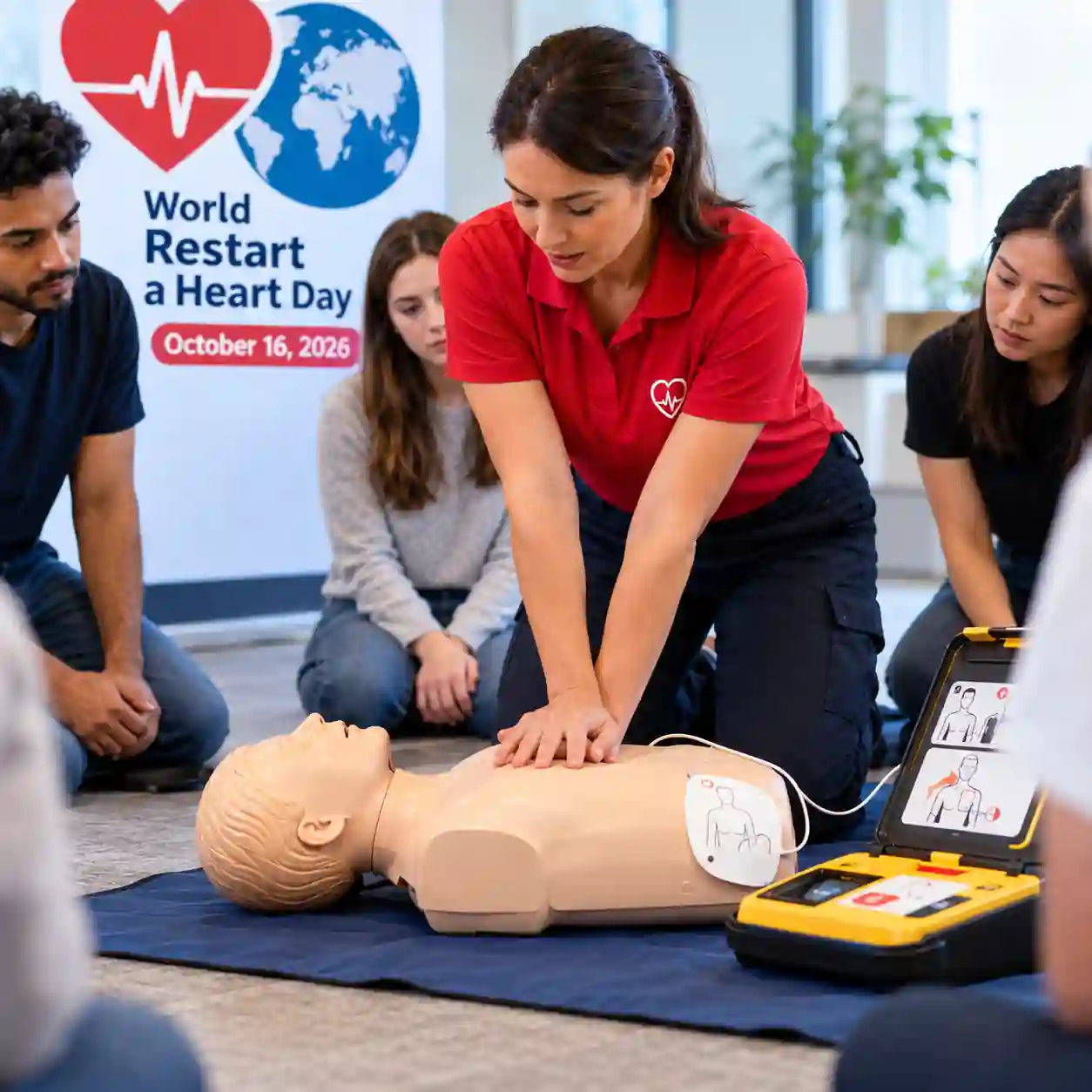
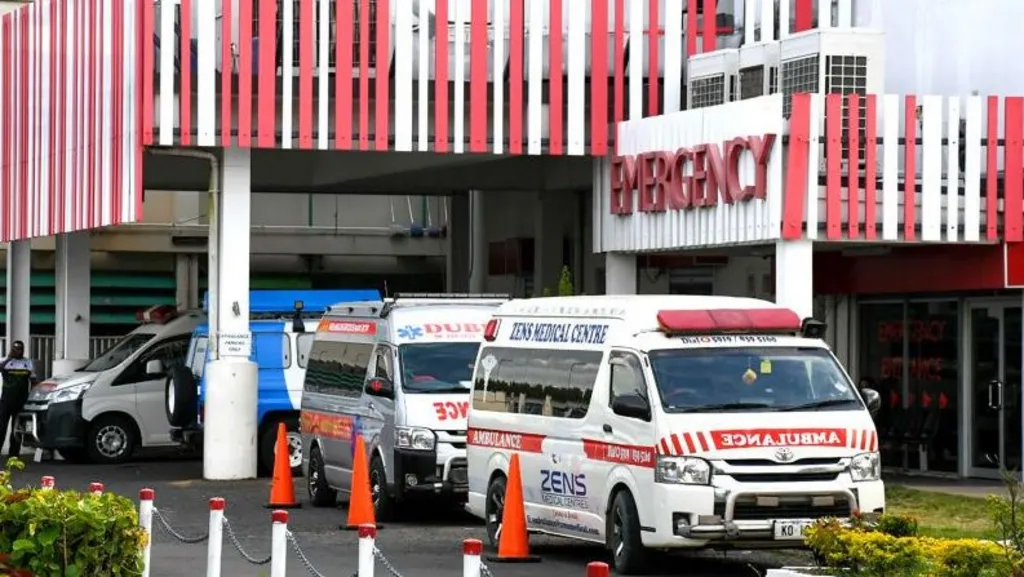
In 2025, pneumonia remains the world’s deadliest infectious killer of children — even as the global theme “Child Survival” promises hope. Across Africa and Asia, oxygen plants, vaccines, and frontline health workers have saved lives, yet millions remain at risk. Swikblog’s report explores what’s been achieved, where the system still fails, and how 2026 can turn promises into protection.
World Pneumonia Day 2025 Theme: Child Survival
The 2025 theme, “Child Survival”, centers on protecting the most vulnerable children in Africa and Asia from pneumonia through proven basics: PCV vaccination, pulse oximetry, reliable medical oxygen, timely antibiotics when indicated, and strong primary care.
- Every Breath Counts – World Pneumonia Day 2025 hub
- WHO – Pneumonia overview (diagnosis, treatment, prevention)
- UNICEF Data – Pneumonia & child survival evidence
Editor’s note: Use this theme to frame 2025 achievements (oxygen + oximetry scale-up, PCV gains), the remaining gaps in rural facilities, and a practical 2026 action plan for district-level dashboards and adult-risk pathways.
2025: What Actually Improved (with proof)
1) More oxygen, better oximetry—finally moving from pilots to systems.
- A landmark Lancet Global Health Oxygen Commission (2025) set clear standards: pulse oximetry at all levels of care and context-appropriate oxygen systems—not just in tertiary hospitals. Read the Commission summary and the Lancet Global Health coverage.
- Countries acted. Nigeria commissioned multiple oxygen plants (UNICEF + partners), producing >100,000 litres and serving thousands of patients monthly—turning oxygen from a scarcity into a predictable utility in high-need facilities. News report, state coverage, oxygen plant brief.
- East Africa scaled a regional oxygen manufacturing push (Kenya/Tanzania) through the East African Program on Oxygen Access (EAPOA) with CHAI, PATH and partners—bringing more reliable supply, faster repairs, and lower costs. Program highlights.
A UNICEF field story from 2025 shows how basic triage with pulse oximetry plus timely oxygen turned a severe pneumonia case for “Baby Lilian” into a quick save—proof of impact when oximetry is routine at first contact. Read the story.
2) Vaccines kept pushing the curve down.
- Pneumococcal Conjugate Vaccine (PCV) remains the single biggest pneumonia-prevention tool in kids. WUENIC (released July 2025) provides the definitive coverage baseline countries used for 2025 course-corrections: WUENIC 2025 notes and WHO coverage dashboard.
- Chad’s PCV rollout (with a catch-up for >3 million kids) is projected to prevent 4,300–5,000 childhood pneumonia deaths each year once coverage stabilizes—an African proof-point for high-impact scale-ups. Gavi case.
- In India, the national PCV rollout that concluded in 2021 underpins 2025 gains; 2025 also saw broader-valent adult PCV20 introduced for higher-risk adults—important for deaths in ≥65s. Review article, launch coverage.
🌍 Related Read: Why the World Is Losing the War on Diabetes — discover how the global fight against chronic diseases faces similar challenges in prevention, awareness, and access as the battle against pneumonia.
3) Advocacy stayed laser-focused.
The Every Breath Counts coalition drove country-level action plans and accountability, framing 2025 World Pneumonia Day around child survival and health-system basics: vaccines, diagnosis, oxygen, and antibiotics stewardship. World Pneumonia Day hub, coalition site.
What Still Hurts in 2025 (and why it matters)
- Oximetry at the periphery is still patchy. The 2025 Oxygen Commission flagged the lowest oximetry use in small, rural government facilities across sub-Saharan Africa—where most under-5 pneumonia deaths actually occur. Hypoxemia is still being missed. Commission summary.
- Coverage gaps and “zero-dose” pockets persist. Routine immunization recovered but remains uneven; DTP3 at ~85% in 2024 signals progress and a warning—millions of children still miss PCV and other basics in fragile settings. UNICEF immunization brief.
- Adult and elderly pneumonia are under-prioritized. Policy and financing disproportionately focus on under-5s (rightly), but the elderly and those with comorbidities contribute substantial mortality. Better adult vaccination and rapid treatment pathways are overdue across Asia’s ageing populations and African urban centers. WHO topic page, recent review.
- Data timeliness and local accountability. IHME/GBD and WUENIC are essential—but many countries still lack monthly or quarterly sub-national dashboards on pneumonia admissions, oximetry rates, oxygen downtime, and antibiotic stockouts—slowing course-correction. GBD resource, WHO/UNICEF coverage estimates.
What “good” looked like in 2025: 3 human snapshots
An onsite PSA oxygen plant started delivering ~135 cylinders/day—ending rationing and cutting referral delays for hypoxemic children. Read the brief.
UNICEF support secured reliable oxygen for 1,500+ infants each year—quietly preventing deaths where they were once “inevitable.” See field stories.
A nationwide campaign targeted >3 million children aged 1–5 with PCV, plugging massive immunity gaps built up over years. Gavi case study.
The 2026 Plan: Practical, budget-aware steps for Africa & Asia
- Make pulse oximetry non-negotiable at first contact. Procure robust, skin-tone-accurate oximeters for every primary care point; integrate oximetry into triage charts and IMNCI checklists. Fund supervision & repair loops (not just devices). Oxygen Commission, Lancet Global Health.
- Lock in oxygen reliability like a utility. Blend grid/solar + manifold/cylinder back-ups; use regional oxygen manufacturing and service contracts (EAPOA model) for uptime ≥ 95%. Regional model, clean-energy oxygen.
- Close PCV gaps where the deaths are. Use WUENIC 2025 to target sub-national zero-dose clusters; fund micro-campaigns and defaulter tracing; maintain cold-chain and stock visibility. WUENIC notes, PCV coverage dashboard.
- Add an adult-risk lens. Introduce adult PCV pathways for ≥65s and high-risk groups (COPD, diabetes) in referral hospitals in large Asian and African cities; pair with pneumonia clinical bundles. Adult PCV20 launch (India).
- Keep antibiotics effective. Roll out fast triage + oximetry to reduce inappropriate antibiotic use; update national childhood pneumonia guidelines and AMR stewardship to 2025 evidence. Reference India’s SAANS program model for seasonal surge action and community referral. SAANS overview, SAANS guidance note.
- Measure what matters—monthly. Publish district dashboards covering pneumonia admissions, oximetry use, oxygen uptime, PCV coverage, and antibiotic stockouts. Use GBD and WHO/UNICEF coverage as the national backdrop; drive local accountability with near-real-time indicators. GBD resource, WHO/UNICEF estimates.
Fast FAQ (for readers)
Is pneumonia still a top child killer?
Yes. Despite big declines since 2000, pneumonia remains the leading infectious killer of under-5s, concentrated in Africa and South Asia. See primers from WHO and UNICEF Data.
What works best?
PCV vaccination, oximetry-guided oxygen, rapid antibiotics when indicated, and strong primary care. For practical playbooks, explore Every Breath Counts.
How will 2026 be different?
The goal is first-contact oximetry everywhere, utility-grade oxygen, PCV in hard-to-reach districts, and adult-risk pathways—all tracked monthly, not yearly. Benchmarks: Lancet Oxygen Commission (2025) and UNICEF/WHO WUENIC (2025).
About the Author: Swikblog Research Team is a collective of global writers and data storytellers dedicated to making complex issues like health, science, and sustainability accessible to every reader. Our 2025 Global Health Series explores how local actions shape a healthier world. Visit swikblog.com for more insights.

Make Swikblog your go-to source on Google for reliable updates, smart insights, and daily trends.