Updated: December 15, 2025
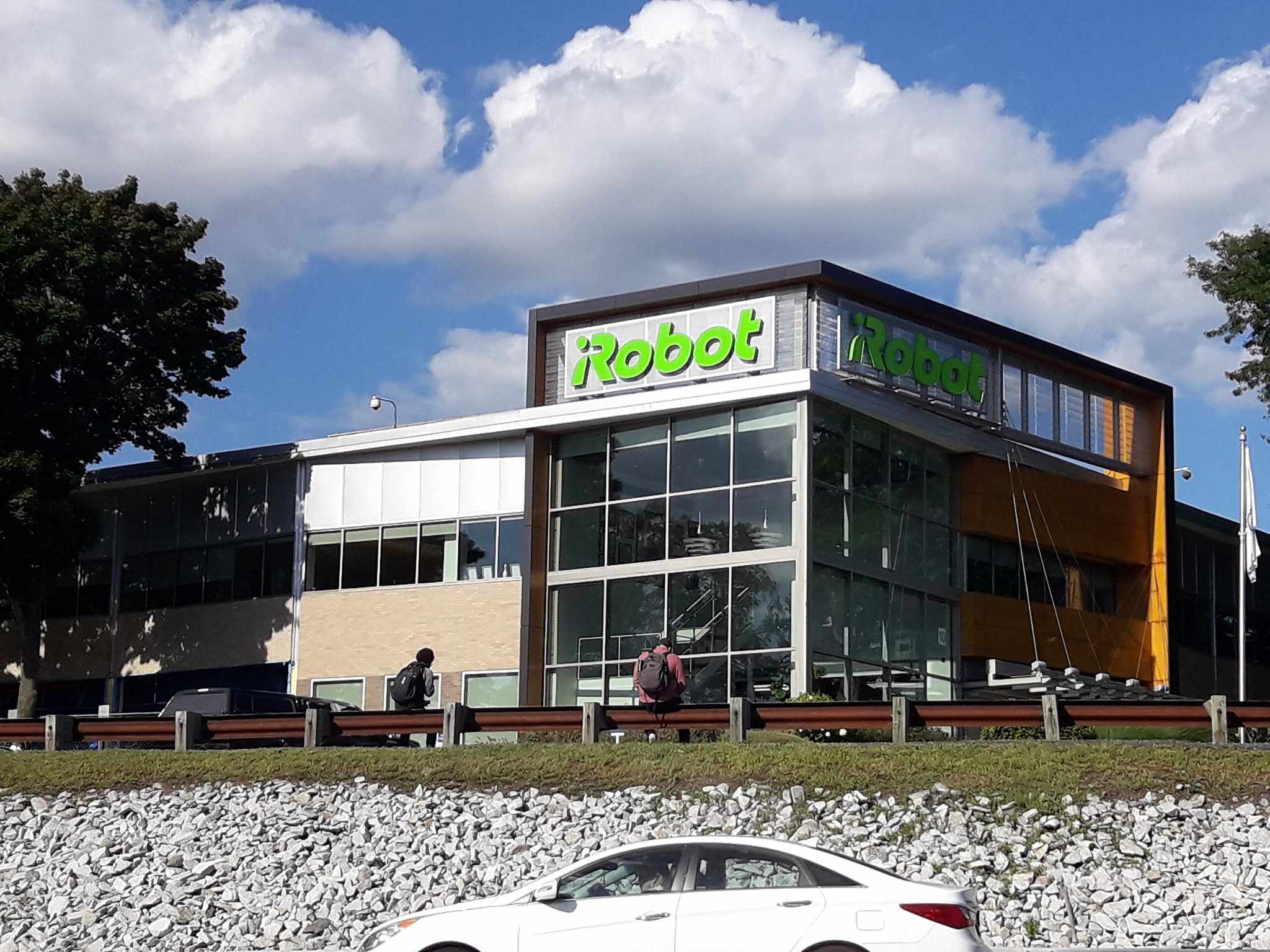
iRobot — the Massachusetts-based company behind the Roomba robot vacuum — has filed for Chapter 11 bankruptcy protection in the United States, closing a dramatic chapter for one of consumer tech’s most iconic robotics brands. The case was filed in Delaware, and iRobot says the process is designed to keep operations running while the company restructures and changes ownership.
What exactly happened (the filing and the plan)
iRobot filed for Chapter 11 on December 15, 2025. Alongside the filing, the company announced a court-supervised restructuring transaction that will take iRobot private and hand control to its key manufacturing/lending partner Picea (with creditor involvement including Santrum Hong Kong Co.).
According to iRobot, the plan is pre-packaged (meaning it’s negotiated in advance with major stakeholders) and is expected to complete by February 2026, subject to court approval. iRobot also said it expects no disruption to customer service, product support, or the app experience during the process.
The core reasons iRobot ended up here
1) Price war pressure from cheaper robot vacuum rivals
Robot vacuums are no longer a premium niche. Competition — especially from lower-priced brands — has intensified, squeezing iRobot’s ability to protect margins while still spending on R&D, marketing, and retail distribution.
2) Manufacturing costs jumped (tariff impact wasn’t small)
iRobot has faced a sharp cost hit from tariffs tied to where products are made. Reuters reported that a 46% tariff on goods made in Vietnam increased iRobot’s costs by about $23 million in 2025. When your category is already in a price battle, a cost surge of that size can be brutal.
3) Debt load tightened the noose
iRobot entered Chapter 11 with a heavy debt burden. Reuters reported roughly $190 million in debt from a prior loan, plus an additional $74 million owed under a manufacturing agreement — with the restructuring designed to wipe out/replace these obligations as ownership shifts.
4) The Amazon deal that didn’t happen (and the fallout)
In August 2022, Amazon announced a plan to buy iRobot for about $1.7 billion. But in January 2024, Amazon and iRobot abandoned the merger amid antitrust/regulatory opposition. After that collapse, iRobot announced major cost-cutting, including a workforce reduction of about 31%, and founder/CEO Colin Angle stepped down.
5) Shrinking cash cushion and weakening fundamentals
Business Insider reported iRobot’s cash fell to about $24.8 million by late September 2025 — a dangerous position for a hardware company that must finance inventory, manufacturing, and seasonal demand swings. Once liquidity gets that tight, restructuring becomes less “optional” and more “inevitable.”
The numbers that show both the strength and the strain
- 2024 revenue: about $682 million (reported by Reuters).
- Market share (reported by Reuters): about 42% in the U.S. and 65% in Japan.
- Headcount: about 274 employees at the time of filing (Reuters).
- Headquarters: Bedford, Massachusetts (Reuters).
In other words: iRobot still had meaningful presence in key markets — but the business model couldn’t absorb the combination of price pressure, higher costs, and debt servicing.
Timeline: iRobot’s rise and fall (1990–2025)
- 1990: iRobot is founded by robotics researchers, initially focused on advanced robotics beyond consumer products.
- 2002: The first Roomba launches — and consumer robotics becomes mainstream.
- 2005: iRobot goes public (IPO), riding growing global adoption of home robots.
- 2010s: Roomba becomes the category-defining name; iRobot expands its product line and smart-home features.
- 2020–2021: The robot vacuum market explodes, but competition intensifies and pricing pressure accelerates.
- August 5, 2022: Amazon announces a deal to acquire iRobot for about $1.7B.
- January 29, 2024: Amazon and iRobot abandon the merger amid regulatory/antitrust opposition; iRobot launches deep restructuring and layoffs.
- March 2025: iRobot flags “going concern” risk as losses and debt concerns mount.
- December 15, 2025: iRobot files for Chapter 11 in Delaware and agrees to a plan to go private under a Picea-led transaction.
- By February 2026 (expected): iRobot targets completion of the Chapter 11 process (subject to court approval).
What this means for Roomba owners right now
- Your Roomba should still work normally — Chapter 11 is a restructuring process, not an immediate shutdown.
- App + customer support: iRobot says service and support will continue through the process.
- Future products: the company says it intends to keep developing and selling devices, but product roadmaps can change during ownership transitions.
Two primary sources worth reading
For the official company announcement, read iRobot’s investor release: iRobot’s Chapter 11 transaction announcement. For an independent breakdown with key financial and tariff details, see Reuters coverage: Reuters report on iRobot’s Chapter 11 and buyer plan.
You May Also Like (Tech)
ChatGPT + Adobe update: Edit photos, PDFs & designs without extra apps

Make Swikblog your go-to source on Google for reliable updates, smart insights, and daily trends.