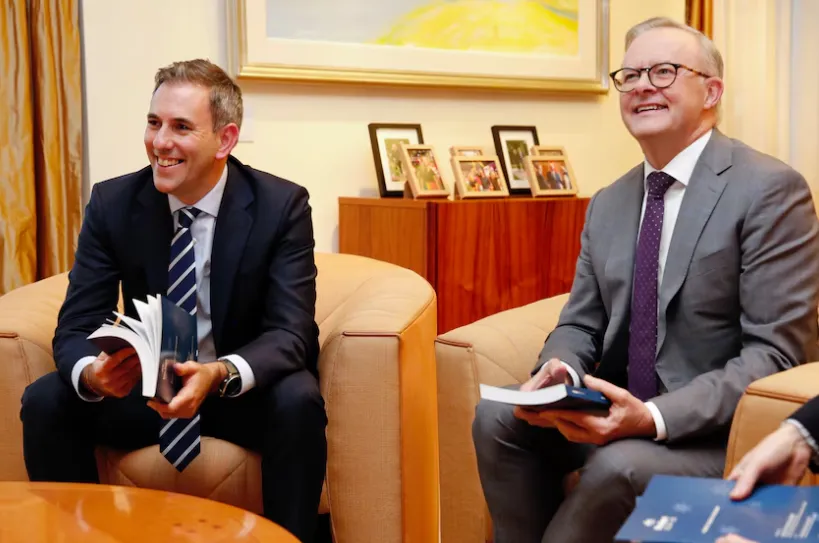

Australia’s 2026 federal budget is set to become a defining moment for households, investors and businesses as Treasurer Jim Chalmers prepares to outline the Albanese government’s next major economic plan in Canberra.
The 2026–27 budget will be handed down on Tuesday night, with the Treasurer’s speech scheduled for 7:30pm AEST from Parliament House. The address is expected to run for about 30 minutes, but the decisions inside the budget papers could shape household finances, investment rules and the wider economy for years.
This year’s budget is attracting unusual attention because it is expected to go beyond routine spending announcements. The government is preparing a larger economic package built around tax reform, savings, productivity and investment, with several measures likely to affect millions of Australians directly or indirectly.
Why the 2026 budget is getting major attention
The federal budget is the government’s annual plan for raising and spending money. It shows how much revenue the government expects to collect and how that money will be used across areas such as hospitals, schools, roads, welfare, defence, housing and the National Disability Insurance Scheme.
Unlike a household budget, a federal budget is not only about balancing income and expenses. It is also used to steer the economy, support vulnerable groups, fund public services and encourage investment in areas the government believes are important for long-term growth.
That is why budget night can have a real impact on ordinary Australians. A change in tax policy can affect investors. A new housing measure can influence first-home buyers. Energy support can ease pressure on families. Infrastructure spending can create jobs and boost regional economies.
This year, the focus is expected to fall heavily on fairness, generational pressure and the rising cost of living. Prime Minister Anthony Albanese has argued that many younger Australians feel they have not had the same financial opportunities as previous generations, especially when it comes to housing and wealth creation.
That message is likely to sit at the centre of the government’s budget pitch.
📚 Read More From Swikblog
Major tax changes could affect investors and households
Tax reform is expected to be one of the biggest themes of the 2026 budget. Early details suggest the government is preparing changes that could affect property investors, share investors, electric vehicle owners and more than 818,000 discretionary trusts.
For property investors, any budget change will be closely watched because housing affordability has become one of Australia’s most sensitive economic issues. Renters are under pressure, first-home buyers are struggling to enter the market, and governments are facing growing calls to make the system fairer for younger Australians.
Share investors may also be affected if the government adjusts rules around investment income, tax concessions or reporting requirements. Even small tax changes can influence investor behaviour, especially in a market where many Australians hold shares directly or through superannuation-linked investments.
Discretionary trusts are another area likely to attract attention. These structures are commonly used by families, investors and businesses for income distribution and asset planning. Any reform in this area could have a wide reach, particularly for higher-income households and small business owners.
Electric vehicle owners will also be watching closely. As EV adoption grows, governments are under pressure to rethink how road usage, incentives and tax settings should work in a cleaner transport economy.
The government is expected to frame these measures as part of a broader push to make the tax system fairer while also strengthening long-term budget sustainability.
Cost-of-living relief remains the key test
For many households, the most important part of the budget will not be the political messaging or economic forecasts. It will be whether the government offers practical relief from everyday financial pressure.
Australians are still dealing with high rents, expensive groceries, elevated mortgage repayments, insurance costs and energy bills. Even where inflation has eased, many families have not felt a meaningful improvement in their weekly budgets.
That makes cost-of-living support one of the biggest tests for the Albanese government. The challenge is to offer relief without adding too much extra demand to the economy, which could make inflation harder to control.
Targeted support is more likely than broad cash handouts. Measures linked to energy bills, healthcare, housing, education or family support could be used to help households most under pressure.
The budget may also include programs aimed at improving productivity and investment, which the government will argue are needed to raise wages and living standards over time.
Markets, businesses and taxpayers will be watching the fine print
Beyond household measures, the budget will also be important for financial markets and businesses. Investors will study the government’s forecasts for inflation, unemployment, wages and economic growth to understand where the economy may be heading next.
Business groups will be looking for signs of productivity reform, infrastructure investment and policies that support long-term competitiveness. Weak productivity growth has become a major concern in Australia, and the government is expected to use the budget to highlight investment as a central part of its economic strategy.
The budget balance will also attract attention. If spending is higher than revenue, the budget moves into deficit. If revenue is higher than spending, it records a surplus. Either outcome can influence political debate, market confidence and future policy decisions.
Australians can watch the budget speech live on ABC TV, ABC News Channel, ABC iview and the ABC News website. The full budget papers are expected to be published on the federal government’s budget website after the Treasurer tables them.
For now, the 2026 federal budget is shaping up as more than a standard annual update. With major tax changes, housing pressure, cost-of-living concerns and investment reform all in focus, the announcements from Canberra could have a lasting impact on millions of Australians.

Make Swikblog your go-to source on Google for reliable updates, smart insights, and daily trends.