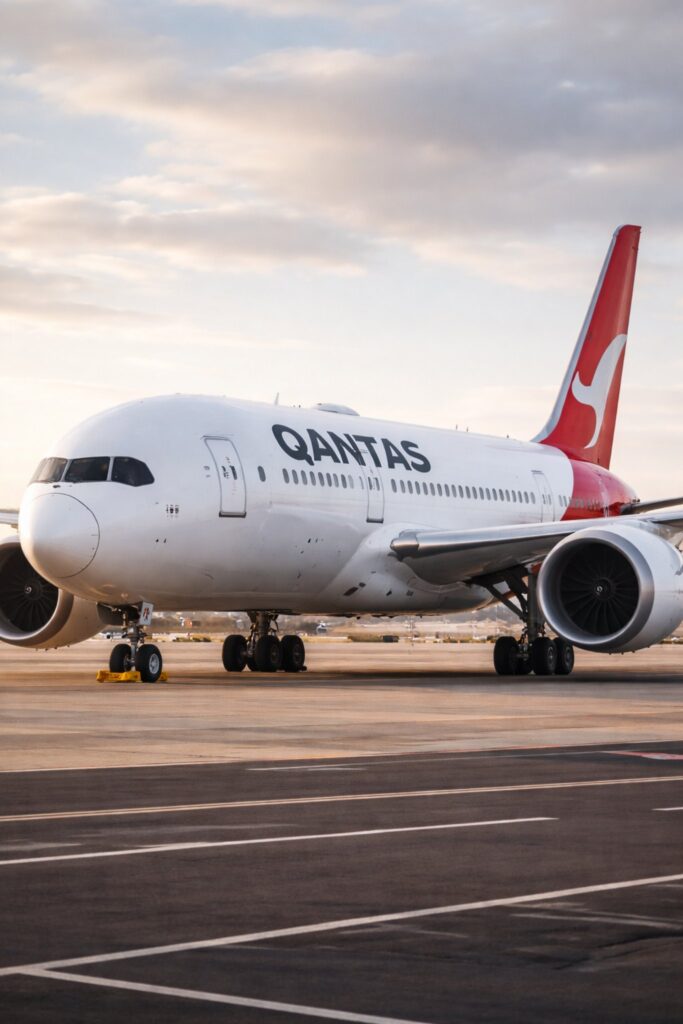

By Swikblog | Australia
What started as a routine overnight hop from Singapore to Melbourne ended with weary passengers stepping off a plane in Adelaide — and, for some, a lingering sense of disbelief that the cabin had turned tense so quickly.
Qantas flight QF36 left Singapore on Tuesday evening and was due to arrive in Melbourne early Wednesday morning. Instead, it diverted and landed in Adelaide around dawn after what Qantas described as a technical issue. The airline later apologised for the disruption and moved customers onto alternative flights to Melbourne the same morning.
For passengers, the sharpest memories aren’t only about the unexpected landing — they’re about the few minutes beforehand, when the mood in the cabin shifted and people realised something wasn’t normal. Travellers described crew members moving swiftly through the aisles, securing the cabin and directing everyone to belt up. It was that sudden urgency, several passengers said, that sparked unease.
One traveller described it as “hard to breathe” as anxiety rose, a feeling that later seemed to fit the broader worry that something about the aircraft environment was off. Others described a rush of questions: Was it turbulence? A mechanical issue? A medical emergency? Why Adelaide?
Airlines rarely spell out every technical detail in the first hours after an incident, but diversions usually follow a strict decision tree: maintain safety margins, run checklists, coordinate with air traffic control, and choose an airport that offers the best combination of runway length, emergency services, and operational support. From the cabin, that professional choreography can look dramatic — lights changing, crew conferring, carts stowed, seatbelt sign staying on, and repeated reminders to keep aisles clear.
That gap between what crew know and what passengers can see is where panic grows. In an enclosed space at cruising altitude, the body is already under mild strain: low humidity, dehydration, and fatigue can amplify symptoms. When someone feels short of breath — whether from stress, dry air, or a genuine onboard issue — the sensation can be frightening, and it spreads fast when other passengers start scanning the cabin for clues.
The timing didn’t help. Christmas Eve travel is a pressure cooker: packed terminals, tight connections, families trying to make it to lunches and reunions, and very little slack in schedules. Even a “non-emergency” diversion can trigger a chain reaction — missed domestic connections, last-minute rebooking, baggage confusion, and hours of uncertainty while the airline resets plans for hundreds of people.
Passengers arriving in Adelaide faced the practical reality of disruption: waiting for updated instructions, reshuffled onward flights, and the question every traveller asks first — “Will my bag make it?” When an aircraft lands somewhere it wasn’t supposed to, baggage systems and transfers can become messy, especially when travellers are split across different rebooked services.
If you were affected by this diversion (or any last-minute reroute), a few steps can make the aftermath easier:
Keep a paper trail. Save screenshots of rebooked flights and boarding passes, and hold onto receipts for essential costs you paid because of the disruption.
Confirm your baggage status early. If a bag doesn’t appear, lodge a report before leaving the airport, and keep your reference number somewhere easy to find.
Prioritise wellbeing. If you felt unwell onboard — especially with breathing discomfort or chest tightness — take it seriously. Rest, hydrate, and seek medical advice if symptoms persist or you have underlying conditions.
For Qantas, the public-facing message is clear: safety first, sorry for the inconvenience. For passengers, the emotional truth is more complicated. People can accept disruption; what’s harder is the moment of not knowing — when the cabin changes tone, the crew moves fast, and every instinct tells you that something important is happening just out of view.
Qantas customers seeking help with disrupted travel can use the airline’s support options, including rebooking and assistance guidance via Qantas Support. For broader passenger safety information and aviation guidance in Australia, official resources are available via CASA.
By mid-morning, many passengers were already back on the move toward Melbourne — but the story kept travelling online, carried by a detail that cuts through any holiday news cycle: a plane that was meant to land in one city, touching down somewhere else, and a handful of minutes in the air that people won’t forget in a hurry.

Make Swikblog your go-to source on Google for reliable updates, smart insights, and daily trends.