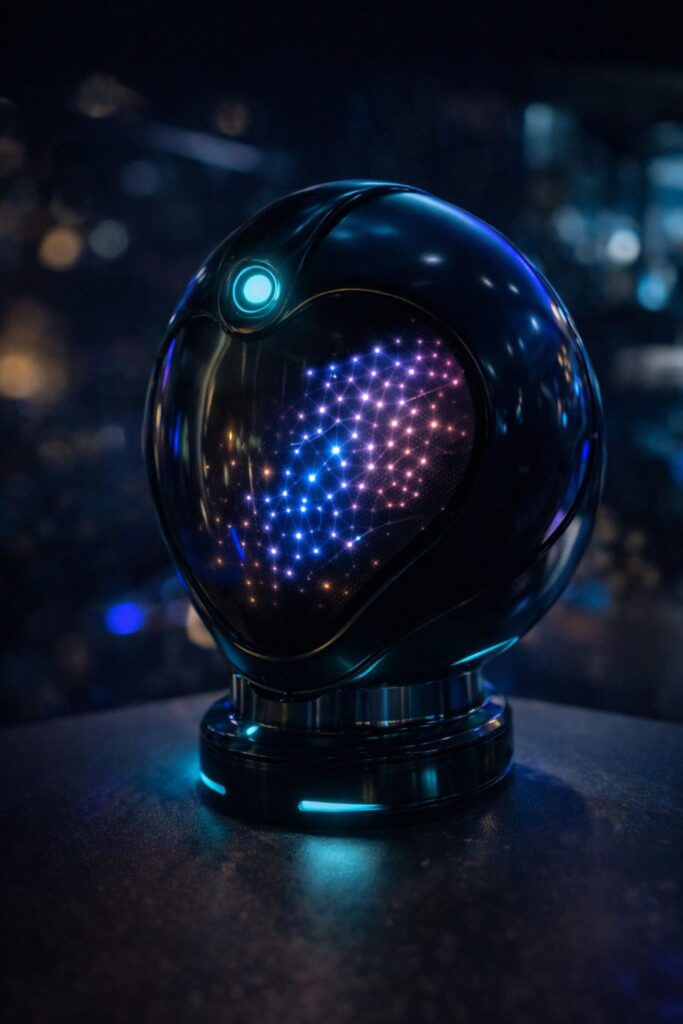

CES has never been short on bold ideas, but CES 2026 delivered something different. Instead of distant concepts and flashy promises, this year’s show leaned into technology that was strange, surprising, and unexpectedly close to everyday life.
From AI-powered mirrors to programmable Lego bricks, the show floor was packed with gadgets that made people pause, stare, and ask the same question: “Why does this exist… and do I actually want one?” Below are the weirdest, coolest, and most talked-about technologies from CES 2026 so far — and why they matter more than they first appear.
The AI Everywhere You Didn’t Expect
Artificial intelligence was woven into nearly every corner of CES 2026, but not always in obvious ways. Instead of dramatic demos, many companies focused on quiet, embedded AI designed to improve speed, personalization, and privacy.
This shift toward on-device intelligence means less reliance on constant internet connections and more control for users. AI is no longer something you “open” — it’s something that runs in the background, shaping how devices respond and adapt.
The AI Hardware That Quietly Stole CES 2026
While futuristic robots and unusual gadgets drew crowds, some of the most important announcements happened at the hardware level. New AI-focused processors promised major performance gains while using significantly less power.
This focus on efficiency could change how everyday devices work, allowing advanced AI tools to run locally rather than through cloud services. Industry observers noted that this shift may define the next phase of consumer technology, making AI faster, cheaper, and more private.
Coverage from technology outlets like The Verge suggests that AI hardware is no longer just about raw power — it’s about fitting intelligence seamlessly into daily life.
AI Laptops Are Finally Interesting
For years, AI laptops sounded more like marketing buzzwords than real innovation. At CES 2026, that perception began to change.
New models from major manufacturers showcased dedicated AI processors that improve real-world tasks such as photo editing, note organization, translation, and battery management. Many of these features run directly on the device, reducing lag and improving privacy.
The result is a new generation of laptops that feel smarter without feeling intrusive. Several companies hinted that AI-powered PCs could become the default standard by the end of 2026.
Robots That Are No Longer Just a Gimmick
Robots have always been crowd favorites at CES, but often more entertaining than useful. This year, the tone shifted noticeably.
Companies showcased robots designed for household assistance, elder care, logistics, and security. Improvements in navigation, object recognition, and voice interaction made many of these machines feel genuinely practical.
Rather than trying to impress with spectacle, robotics firms focused on reliability and real-world applications — a sign that the category may finally be ready for broader adoption.
The One CES 2026 Product Nobody Saw Coming
Amid all the AI hardware and robotics, one of the most talked-about products at CES 2026 came from an unexpected place: Lego.
Smart Lego: When a Toy Quietly Became a Tech Story
Lego revealed a new “Smart Brick” that looks almost identical to a traditional Lego piece but contains programmable logic inside. Instead of relying on screens, users physically build structures that react, learn, and change based on how they’re assembled.
What made Smart Lego stand out wasn’t raw processing power — it was approachability. Parents, educators, and longtime Lego fans shared clips online, praising it as a rare tech product that feels playful rather than overwhelming.
In a show dominated by artificial intelligence, Smart Lego succeeded by making technology feel creative and human.
The AI Beauty Mirror People Couldn’t Stop Staring At
Another crowd magnet at CES 2026 was an AI-powered beauty mirror that analyzed skin tone, lighting, and facial features in real time.
Unlike earlier smart mirrors, this version adjusted recommendations based on environment, mood, and time of day. Attendees lined up not because they needed it, but because they were curious — and slightly unsettled.
Reactions ranged from fascination to discomfort, highlighting how AI is beginning to influence not just devices, but personal perception.
Exoskeletons Step Out of Science Fiction
Wearable exoskeletons returned to CES 2026 with a more serious tone. Instead of dramatic demos, companies focused on practical use cases such as rehabilitation, warehouse work, and mobility support.
The designs were lighter, quieter, and more flexible, signaling that exoskeleton technology may finally be moving beyond experimental prototypes and toward real-world deployment.
What All This Weird Tech Actually Means
Behind the strange designs and unexpected ideas, CES 2026 delivered a clear message: technology is becoming more personal, more embedded, and less visible.
The weirdness is often a sign of experimentation — companies testing how advanced technology fits naturally into daily routines rather than forcing users to adapt.
The Bigger Picture Behind CES 2026
CES has always offered clues about where the tech industry is heading. In 2026, that direction is unmistakable: intelligence is becoming the default layer of consumer electronics.
Whether through playful products like Smart Lego or more serious tools like AI laptops and exoskeletons, CES 2026 showed that the future of tech isn’t just powerful — it’s increasingly personal.
You May Also Like

Make Swikblog your go-to source on Google for reliable updates, smart insights, and daily trends.