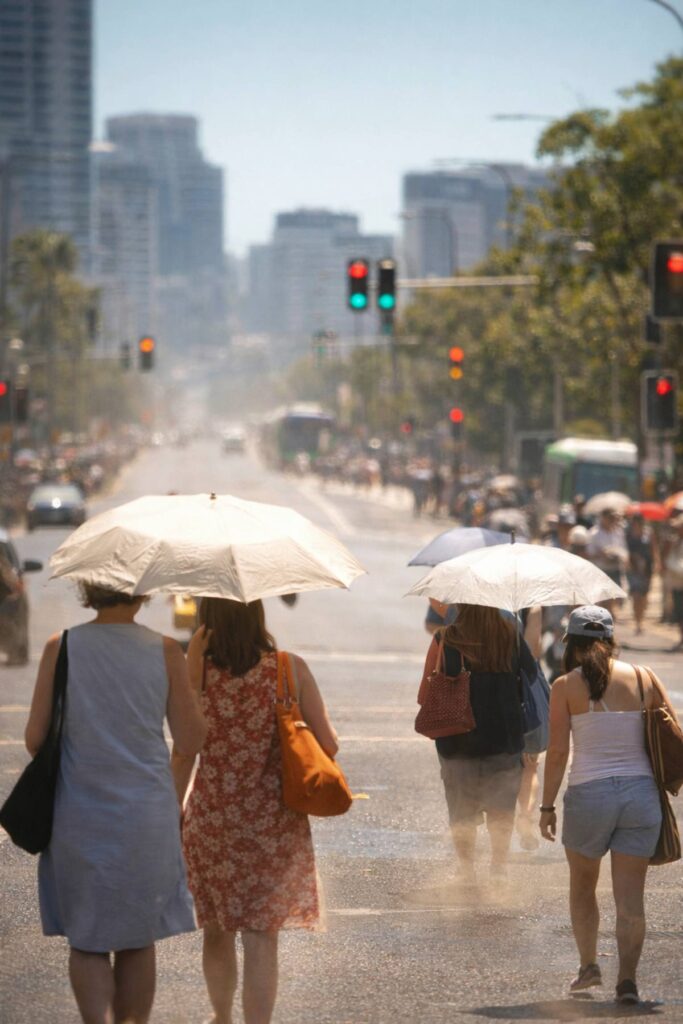

A prolonged burst of intense heat is building across parts of Australia, with forecasters warning that dangerous conditions could linger for days and sharply increase bushfire risk in multiple states.
A dome of hot, dry air is pushing temperatures well above average across the south-east, and officials are urging communities to take the threat seriously. This is not just an uncomfortable warm spell: heatwaves can become deadly quickly, and when they combine with gusty winds and parched landscapes, they can turn a small ignition into a fast-moving emergency.
The highest concern is focused on South Australia and Victoria, with elevated risk also extending into parts of New South Wales and southern Queensland. Forecasters have flagged the potential for extreme heat in inland areas, while major cities are also expected to experience oppressive conditions that place pressure on households, infrastructure, and emergency services.
Fire agencies typically watch heatwaves closely because hot air lowers humidity and dries vegetation, creating ideal fuel. That is why extreme heat can quickly translate into higher fire danger ratings, stricter restrictions, and a smaller margin for error. In these conditions, activities that might normally seem harmless, such as using tools that create sparks, can become high-risk.
Australia’s national weather service has been issuing updates about severe heat and elevated fire danger, with officials warning that some districts may face the most challenging conditions of the season. You can track the latest official forecast updates directly via the Bureau of Meteorology’s severe weather update page: Bureau of Meteorology severe weather update .
For everyday residents, the impacts are immediate. Heat can affect power supply as air-conditioner use spikes, and transport disruptions are more likely when roads, rail lines, and equipment are stressed. Outdoor work and sport can become hazardous, and pets and livestock can struggle without adequate shade and water. Even people who handle hot weather well can be caught out during extended heat, especially if nights stay warm and the body does not get a chance to recover.
What to watch for over the next few days
- Escalating fire restrictions: total fire bans and local burn bans can be declared quickly. Check your state fire authority before lighting any fire or using machinery outdoors.
- Rapidly changing conditions: wind shifts and dry lightning can increase risk, even if your area has not had recent fires.
- Heat health risk: prolonged heat is tougher than a single hot afternoon, especially for older adults, young children, and people with chronic health conditions.
- Travel and outdoor plans: extreme heat can affect hiking, camping, and long drives. If you are heading away for the weekend, pack extra water and check road and park alerts.
If you live in or near bushland, heatwave periods are a good time to review your personal bushfire plan. That includes clearing gutters where safe to do so, removing dry leaves near doors and decks, and ensuring hoses and pumps are in working order. It is also smart to charge phones and power banks and keep essential items together in case conditions worsen quickly.
For people in cities and suburbs, the most practical step is to plan your day around the heat. Try to avoid strenuous outdoor activity during the hottest part of the afternoon, keep curtains closed on the sun-facing side of your home, and check in on neighbours who may not have reliable cooling. Even small things, like shifting errands to morning or evening, can reduce risk.
Scientists and public agencies have repeatedly warned that heat extremes are becoming more frequent and more intense as the climate warms. That does not change what needs to happen right now, but it does explain why officials are treating heatwaves as serious hazards rather than routine summer discomfort.
The most important guidance is simple: follow official updates, take fire restrictions seriously, and act early. During extreme heat and heightened fire danger, waiting until smoke is visible or conditions feel “bad enough” can leave you with fewer options.
More weather updates and explainers: Swikblog Weather

Make Swikblog your go-to source on Google for reliable updates, smart insights, and daily trends.