
By Swikriti Dandotia • 23 January 2026
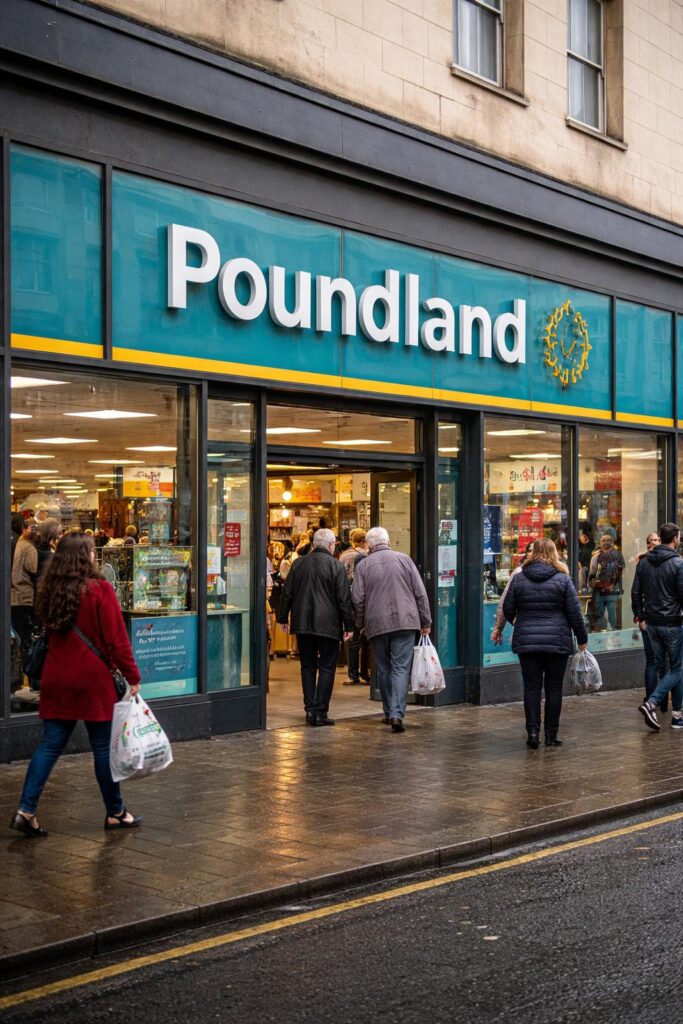
Poundland has confirmed it has closed 149 stores and cut around 2,200 jobs as part of a major restructuring plan designed to steady the business after a difficult spell for UK discount retail. The retailer says the most disruptive phase of the shake-up is now complete, with its next priority focused on rebuilding shopper confidence through simpler pricing and clearer ranges.
The reset comes after the chain faced pressure from rising operating costs and intense competition in the value market. In recent years, shoppers have had more low-price choices than ever — from traditional discounters and supermarkets to online marketplaces offering ultra-cheap home and fashion lines. Poundland’s leadership is betting that getting back to what customers expect from the brand, particularly price clarity, will help it win back footfall.
A central part of the new approach is a renewed emphasis on the retailer’s best-known promise: the £1 price point. Poundland says about 60% of its stock now sits at £1, positioning the chain to compete more aggressively on value. For customers, that means fewer confusing price tiers and more “quick yes” purchases — the kind of simple basket-building that discount stores rely on for repeat visits.
The company is also bringing back familiar clothing options with a relaunch of its Pep & Co brand. Adult clothing is expected to reappear in shops by the end of January, followed by children’s and babywear in February. The move is aimed at restoring a category that can drive repeat traffic, especially for families looking to stretch budgets across everyday essentials.
Poundland has suggested that product decisions made in the recent past did not always land well with shoppers, particularly around clothing. The relaunch is being framed as a return to a clearer, more recognisable offer — and a signal that the chain wants to rebuild loyalty by prioritising what customers actually pick up and buy, not what looks good on a buying plan.
Financially, Poundland says performance has improved compared with the same period a year earlier. Underlying profit was reported to have more than doubled to £17.3m over the three months to late December, while the number of items sold rose modestly. At the same time, sales at established stores were still down, underlining the challenge: the brand is stabilising, but it still has to persuade shoppers to come back more often and spend a little more when they do.
The restructure has also reshaped how Poundland runs its operations. The retailer has closed some distribution capacity and narrowed parts of its offer, stepping back from certain categories that were costly or complex to maintain. It has also pulled away from initiatives that didn’t deliver enough value for shoppers or the business — a sign the company wants a leaner model built around core in-store sales rather than extras that add cost without lifting baskets.
Poundland’s managing director, Barry Williams, has said the significant store closure programme is finished and that the business is now concentrating on growth rather than more cuts. The message from the top is that cost control has created breathing space — but a true recovery depends on getting the range, the pricing and the overall shopping experience right. That means sharper value in everyday categories such as grocery, alongside stronger homewares and a more appealing clothing offer.
The ownership backdrop also matters. Poundland was bought for £1 from Pepco Group by US restructuring specialist Gordon Brothers last year, and Gordon Brothers has said it is prepared to invest significantly to support the turnaround. In practical terms, that investment is expected to go into making stores easier to shop, improving stock availability and ensuring the price proposition is visible and consistent across aisles.
For communities, the closures will still sting — discount retailers often anchor smaller shopping centres and high streets where value-led footfall supports neighbouring businesses. But for remaining stores, Poundland is effectively pitching a new chapter: fewer locations, more focus, and a clearer promise that shoppers won’t need to hunt for the best price in the building.
The key test now is whether customers feel the difference quickly. A “£1-first” store only works if shelves are full, the range feels relevant, and prices are easy to understand at a glance. If Poundland can deliver that consistently — and if the Pep & Co relaunch meets expectations — the chain could begin to look less like a retailer in rescue mode and more like one that has re-earned its place in Britain’s crowded bargain market.
Reporting on the closures and the reset was first detailed by The Guardian. For more retail and consumer updates, you can browse the latest stories on Swikblog.

Make Swikblog your go-to source on Google for reliable updates, smart insights, and daily trends.