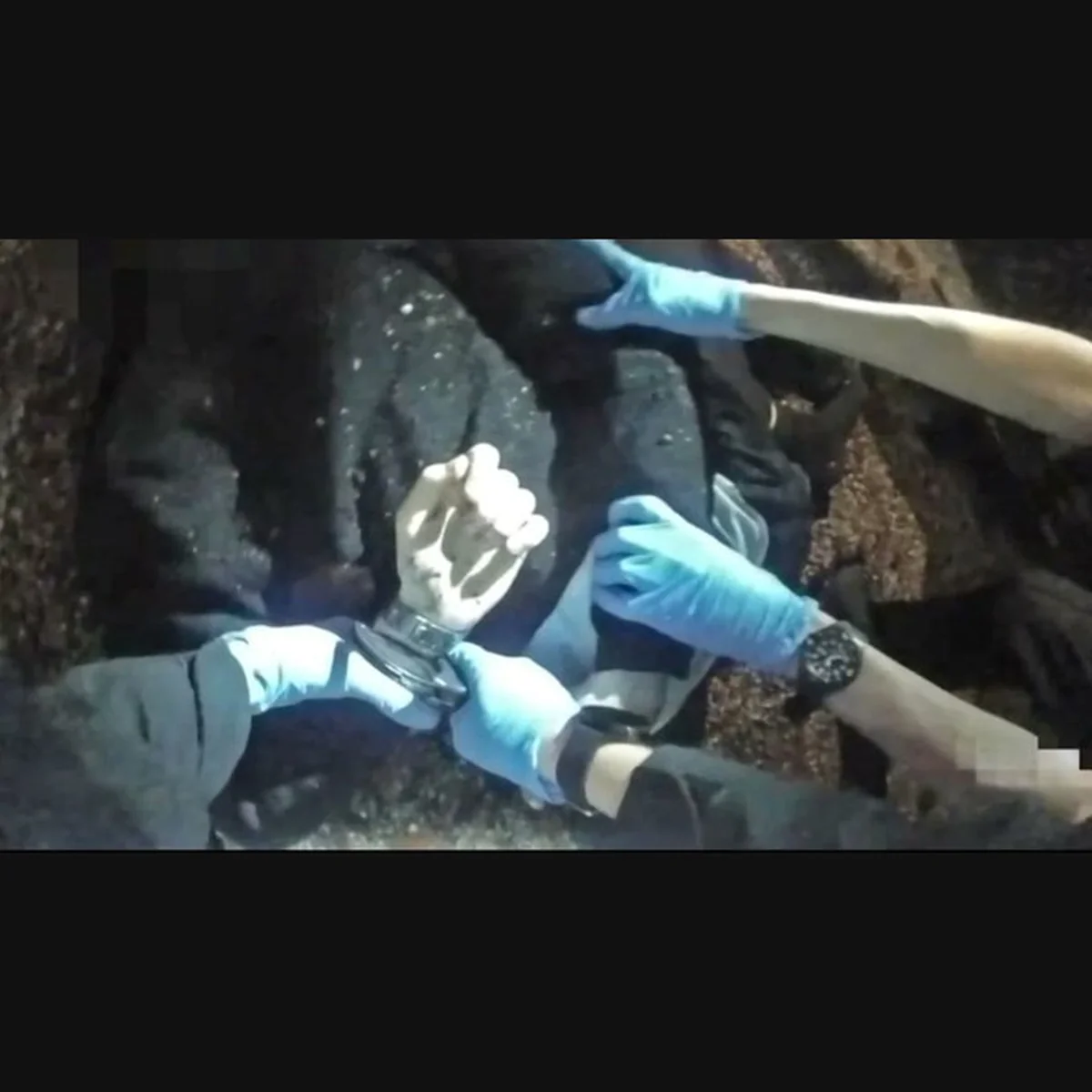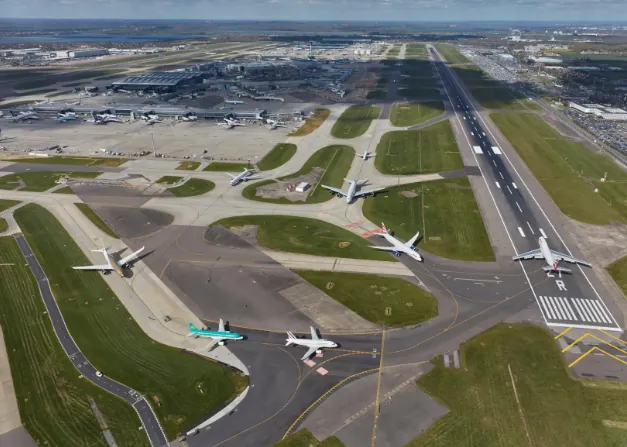

Middle East Flight Chaos has become the phrase many stranded travellers are using after a UK government-chartered departure from Oman failed to leave on schedule, leaving British families, elderly passengers and parents with young children stuck in limbo as the Iran war widens and regional air travel remains fragile.
The flight was planned to depart from Muscat late Wednesday night, a key escape route for people trying to exit the Gulf by road from the UAE. Instead, passengers described hours of delays and rising distress, with one British traveller calling the situation a “total shambles”.
What happened to the UK charter flight from Oman
According to the UK’s Foreign, Commonwealth and Development Office, the government charter flight was unable to depart as planned due to technical issues. The service was originally expected to leave Muscat at 11pm local time on Wednesday, and officials later said it was now expected to depart on Thursday.
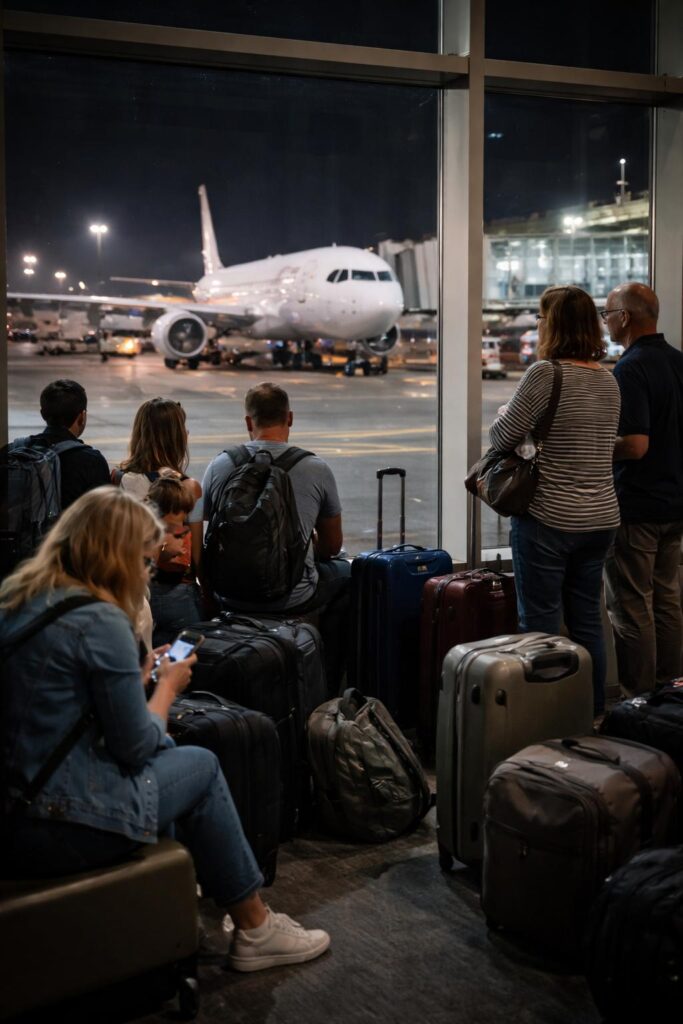
For many passengers, the delay was not just an inconvenience but a breaking point. Travellers said they had already packed, checked out of accommodation, travelled to the airport, and queued for hours believing they were finally heading home.
Inside Muscat airport: long waits and rising panic
Passenger account: One British traveller told reporters the check-in process took around four hours because of technical problems. After that, passengers were taken by bus to the aircraft but then kept waiting for about one-and-a-half hours.
The traveller said there were no consular staff airside, and that as the delays dragged on, people became increasingly distressed, with reports of panic attacks among those who believed they were finally leaving a conflict-shadowed region.
People travelling with children said the uncertainty was particularly difficult late at night, when families were expecting to be seated and airborne rather than stuck between check-in desks, buses and closed doors. Others described the atmosphere as tense and exhausting, especially for vulnerable passengers who had already endured disrupted routes and last-minute reroutes across the Gulf.
Minister says more flights will follow
Border Security Minister Alex Norris said the government wanted to help British nationals leave if they chose to, and noted that some commercial flights had operated as air traffic partially resumed. He said the chartered service did not leave for “operational reasons” but was expected to depart on Thursday, with multiple additional flights anticipated afterwards.
He also said UK staff were supporting travellers, including at the airport, and that passengers had been taken back to a hotel, with rooms paid for as part of the support package for those affected by the delay.
Why Muscat has become the exit hub
Muscat’s role in the current travel scramble is growing because it’s reachable by road from major UAE cities when routes elsewhere are disrupted. For many travellers trying to leave Dubai or Abu Dhabi, the journey into Oman can be a long haul of roughly 300 miles — but it offers a clearer path to a functioning international airport at a time when sudden airspace restrictions and cancellations can change by the hour.
Even when flights are operating, seats can be scarce and schedules can move without warning, pushing many governments to arrange charters or work with airlines to increase capacity for citizens trying to return home.
Commercial flights are running, but disruption remains
While a government-chartered flight is often seen as a lifeline, many Britons have also been relying on commercial services. Airlines including British Airways have continued operating some flights back to the UK from Muscat when conditions allow.
UK officials have said more than 1,000 British nationals have already returned on commercial flights since the latest escalation began, but a significant number remain across the region, watching flight boards and travel alerts as the security situation shifts.
What stranded Britons can realistically expect next
For travellers still waiting in Oman, the immediate priority is clarity: confirmation of departure time, check-in instructions, and what support is available for those who cannot safely wait for hours in crowded airport spaces. Government charters can help reduce the bottleneck, but the reality is that even a single technical fault can ripple into hours-long delays, especially late at night when crew duty-hour limits and aircraft servicing schedules become tighter.
Passengers said they were told the pilot had reached their permitted hours after slow processing and delays, and would need to rest before flying — one more reminder that during crisis logistics, the smallest operational snag can strand hundreds of people at once.
For now, the key takeaway is that evacuation efforts are active, but they are being built in real time under pressure. Anyone travelling should watch official messages closely, keep documents ready, and plan for the possibility of last-minute changes, including overnight accommodation and repeated airport transfers.
For the latest confirmed update details from the original report, read the coverage from Sky News.
You May Also Like

Make Swikblog your go-to source on Google for reliable updates, smart insights, and daily trends.