
A coroner has temporarily suppressed the publication of the names of most of the people involved in a devastating State Highway 1 crash in Marlborough that left four people dead, as authorities begin the early stages of a formal coronial investigation.
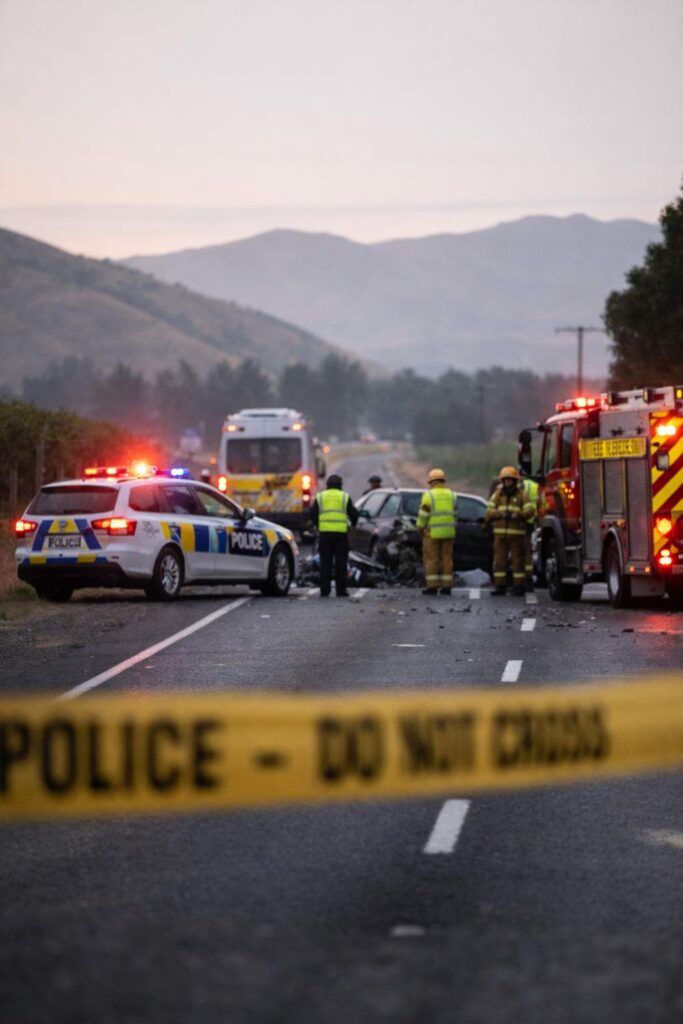
The interim suppression order follows a fatal two-vehicle collision that occurred on February 22 near the Riverlands and Redwood Pass area along State Highway 1, one of the main transport routes in the region. The crash claimed the lives of four people and left another man seriously injured.
According to information released in the coronial minute, the victims included two Belgian women and two members of the same Marlborough family. A male driver survived the crash but remains in hospital while investigations into the circumstances surrounding the collision continue.
Coroner Duggal has now issued temporary suppression orders covering the names of three of the four people who died as well as the identity of the surviving driver. One of the deceased individuals does not currently have name suppression.
Coroner says investigation still at an early stage
The suppression order was outlined in a minute released on Monday, where Coroner Duggal explained that the coronial inquiries into the four deaths are still in their very early stages. At this point, investigators have gathered only limited evidence about the circumstances that led to the crash.
Because of the limited evidence currently available, the coroner ruled that maintaining the status quo was necessary until further information and legal submissions could be reviewed. The interim orders effectively pause the publication of certain identifying information while the court decides whether permanent suppression should be granted.
Coroner Duggal also highlighted that the legal threshold for suppression orders is high in New Zealand. The principle of open justice — along with the protection of freedom of expression — generally means court proceedings are expected to remain transparent and publicly accessible.
However, temporary suppression can still be granted in cases where releasing information too early could create complications for the investigation, the fairness of proceedings, or the wellbeing of those involved.
Strict restrictions placed on media coverage
The temporary suppression order places strict limits on what media organisations are allowed to publish while the application for permanent suppression is being considered.
Under the interim ruling, media outlets are prohibited from publishing the names or identifying details of the three deceased individuals who are covered by suppression, as well as the identity of the surviving driver who was involved in the crash.
The restrictions go further than just names. The order also prevents the publication of photographs that have been entered as evidence in the coronial inquiry if those images could identify the individuals involved.
In addition, the order specifically blocks the publication of the suppression application itself and any supporting evidence that has been submitted as part of the request.
These types of restrictions are sometimes used to prevent information from circulating publicly before the court has the chance to review the full context of the case.
Media given deadline to challenge suppression request
While the temporary order is currently in effect, the process is still ongoing. Media organisations have been given the opportunity to challenge the suppression request if they believe the identities should be made public.
Under the timeline set by the coroner, media outlets have until April 2 to file submissions opposing the application for permanent suppression.
Those submissions could play a key role in determining whether the interim suppression remains in place or whether the names of those involved are eventually released publicly.
If the coroner decides the threshold for permanent suppression has not been met, the protected identities could later become public as part of the coronial process.
A tragedy affecting both local and international families
The fatal crash has drawn attention not only because of the number of lives lost, but also because it involved victims from both New Zealand and overseas.
The two Belgian women who died in the crash were travelling in the region at the time of the collision, while the other victims were members of the same family from Marlborough. The crash therefore represents a tragedy affecting both local communities and international families.
Major crashes on State Highway 1 often receive widespread attention due to the road’s importance as a major transport corridor connecting regions across the country.
Authorities have not yet released detailed information about the cause of the crash. Determining the circumstances leading to the collision will form part of the coronial investigation.
The role of the coroner in these cases is not to assign criminal blame but to establish the facts surrounding the deaths and identify any lessons that could help prevent similar tragedies in the future.
How the coronial process works
In New Zealand, coronial investigations are carried out when deaths are sudden, unexplained, violent, or occur in circumstances that require independent review. The process can involve police reports, medical evidence, witness statements, and other material that helps reconstruct what happened.
The coronial system is designed to uncover the circumstances of deaths and sometimes recommend changes that may improve public safety.
More information about how the system operates can be found through Coronial Services of New Zealand. Road safety data and transport updates are also published by Waka Kotahi NZ Transport Agency.
As the investigation into the Marlborough crash progresses, further evidence will be gathered and examined by the coroner. That process may take months depending on the complexity of the case.
For now, the interim suppression order ensures that several identities connected to the fatal crash remain protected while the legal process continues.
The next key step will come after April 2, when submissions from media organisations are reviewed and the coroner decides whether permanent name suppression should remain in place.
You may also like: Pfizer Stock Edges Up at $26.61 as Goldman Sachs Backs PFE and Analysts Eye $28 Target

Make Swikblog your go-to source on Google for reliable updates, smart insights, and daily trends.