
By Swikriti Dandotia
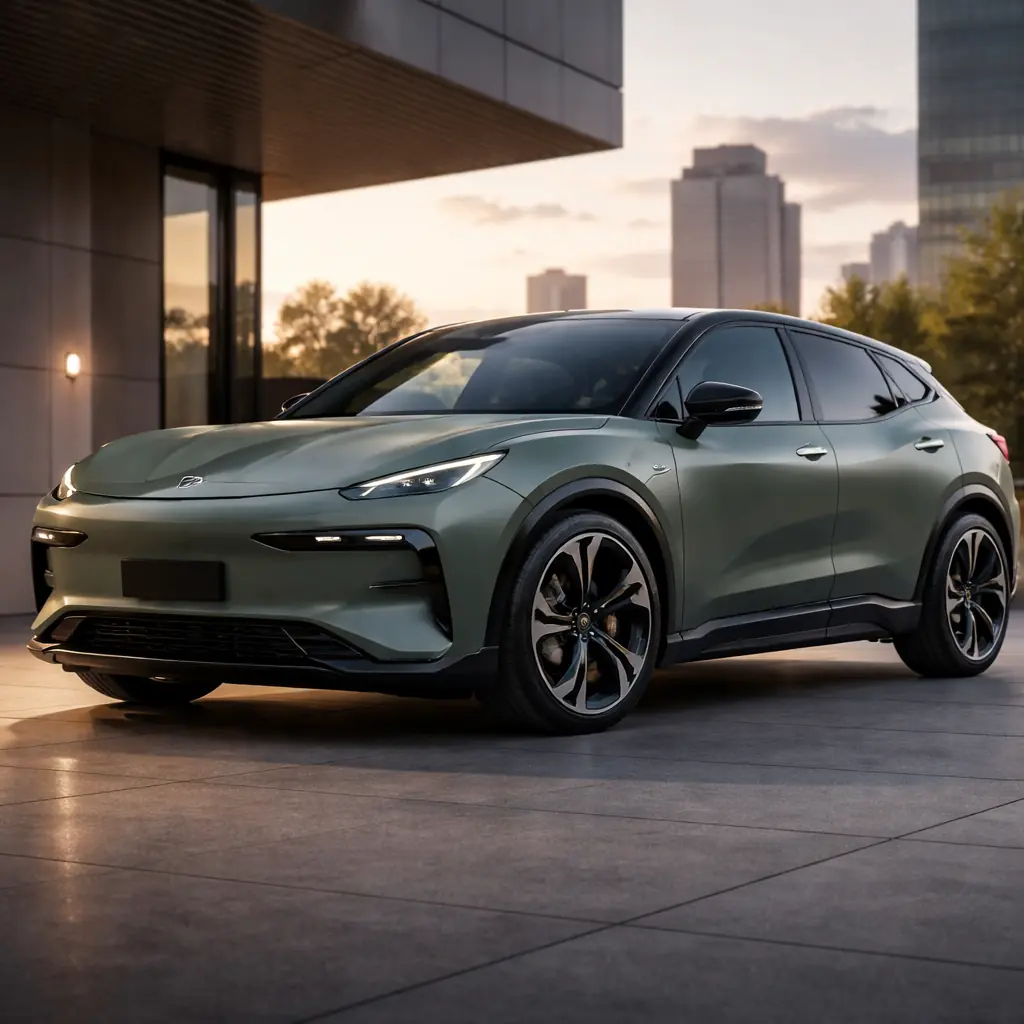
Zeekr is making a serious push in the electric SUV space, and the updated 2026 Zeekr X shows exactly how aggressive that strategy has become. With a sharp price repositioning, more standard features, faster charging, and improved performance, the small electric SUV is suddenly one of the most interesting options for buyers looking under the $50,000 mark.
The biggest talking point is the price shift. The new Zeekr X now starts under $50,000 drive-away for the rear-wheel-drive variant, while the all-wheel-drive version sits below $60,000. That alone puts it right in the middle of one of the most competitive EV segments, directly up against models like the BYD Atto 3, Kia EV3, and MG S5 EV — and even brushing up against bigger names like the Tesla Model Y.
Price drop and feature boost change the value equation
What makes the update stand out is not just the lower price, but what comes included at that level. Zeekr has effectively bundled in features that were previously optional, turning the X into a more complete package straight from the base variant.
Buyers now get heated and ventilated front seats, a heated steering wheel, power-adjustable seats with memory, and a premium 13-speaker Yamaha sound system as standard. The cabin itself has also been reworked with a more practical and premium “bridge-style” centre console, improved storage, and updated materials with quilted finishes.
The technology side has also been strengthened. A 14.6-inch touchscreen infotainment system, wireless Apple CarPlay and Android Auto, ambient lighting, a 50W wireless charging pad, and a full suite of connected features are all part of the package. The AWD variant pushes things further with extras like massaging seats, an augmented-reality head-up display, and even an onboard fridge — features rarely seen in this price range.
Performance and charging see major upgrades
Under the skin, the changes are just as important. Both variants receive a 50kW boost in power. The rear-wheel-drive version now produces 250kW and 373Nm, while the all-wheel-drive version delivers a combined 365kW and 573Nm. That translates to strong real-world performance, with the AWD model capable of hitting 0–100km/h in just 3.7 seconds.
The rear-wheel-drive variant also gets a new 61kWh lithium iron phosphate (LFP) battery, offering improved durability and efficiency. Zeekr claims a WLTP range of up to 405km, while the AWD version, using a slightly larger battery, offers up to 415km.
Charging, however, is where the biggest leap happens. The RWD model now supports up to 230kW DC fast charging, allowing a 10–80 per cent charge in around 18 minutes. The AWD version supports up to 150kW, with a 10–80 per cent charge time closer to 30 minutes. For many buyers, this kind of charging speed can make a noticeable difference in day-to-day usability, especially on longer trips.
Safety, tech and everyday usability
The Zeekr X continues to carry a five-star ANCAP safety rating and comes equipped with a comprehensive suite of driver assistance systems. This includes adaptive cruise control, autonomous emergency braking, blind-spot monitoring, lane-keeping assist, rear cross-traffic alert, and a 360-degree camera system supported by multiple sensors and radars.
There’s also a notable upgrade to the brand’s active safety suite, now featuring five cameras, five radars, and 12 ultrasonic sensors. These enhancements enable features like improved driver assistance and automatic parking functionality.
Inside, the car feels more premium than its price might suggest. Soft-touch materials, a panoramic glass roof, ambient lighting, and improved storage solutions help lift the overall experience. Rear seat space is respectable for the segment, and boot capacity has grown to around 404 litres, making it more practical for everyday use.
Where the Zeekr X still faces challenges
Despite the improvements, the Zeekr X is not without its compromises. Driving range, while competitive, is not class-leading. Some rivals offer significantly higher range figures, which may matter for buyers prioritising long-distance capability.
Ride quality and suspension tuning also remain areas where competitors like Kia and MG may still have the edge, particularly on rougher roads. In addition, some of the advanced safety systems have been noted to feel overly sensitive, with frequent alerts that may require adjustment or deactivation depending on driver preference.
There is also a broader positioning challenge. The Zeekr X sits between mainstream and premium segments, which can make it a slightly harder sell for buyers deciding whether to save money or stretch for a larger, more established model. Even within Zeekr’s own lineup, the larger 7X has proven popular and may tempt buyers willing to spend a little more.
Still, the improvements made to the 2026 model significantly strengthen its appeal. It is no longer a car that feels like a compromise — instead, it presents itself as a well-equipped, fast-charging, and genuinely premium-feeling electric SUV at a competitive price point.
For buyers tracking the latest EV trends and comparisons, platforms like Drive and carsales offer broader insights into how models like the Zeekr X stack up in the evolving Australian market.
The 2026 Zeekr X may not dominate every category, but it delivers a much stronger overall package than before. With its improved pricing, added features, and faster charging capability, it has moved firmly into contender territory — and that alone could be enough to shake up the under-$50K EV SUV segment.

Make Swikblog your go-to source on Google for reliable updates, smart insights, and daily trends.