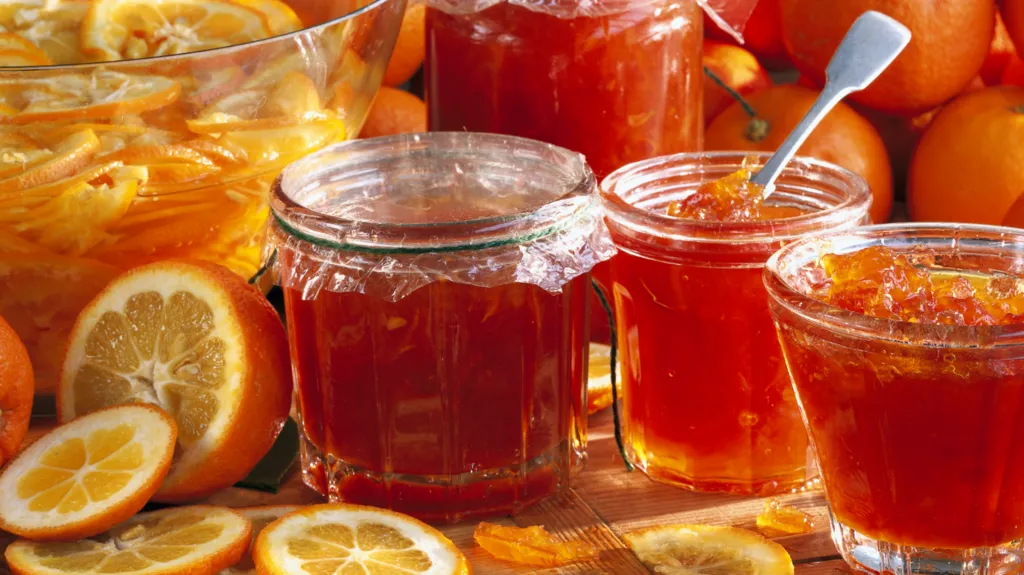

A staple of British breakfast tables could soon carry a new identity, as the UK prepares to align with updated European food rules that redefine what “marmalade” means across the continent.
Under a proposed post-Brexit food agreement, traditional orange-based preserves may need to be labeled as “citrus marmalade” rather than simply “marmalade.” The change reflects a broader shift in EU regulations, which are expanding the definition of marmalade to include spreads made from non-citrus fruits for the first time.
For generations, the word “marmalade” in the UK has been tightly linked to citrus fruits—especially the bitter Seville oranges that give the preserve its distinctive taste. That definition dates back to lobbying efforts in the 1970s, when Britain secured a unique classification within European law to protect its traditional product.
The upcoming change signals a reversal of that long-standing distinction. From June, EU countries will be allowed to market a wider range of fruit preserves as marmalade, bringing terminology in line with common usage in places like Spain and Italy, where similar words already describe non-citrus spreads.
For British producers and consumers, the adjustment may feel subtle but symbolic. Products that once stood apart could now share shelf space with a broader category, with labeling tweaks used to preserve clarity. Terms such as “lemon marmalade” or “orange marmalade” will still be permitted, but the new “citrus marmalade” classification is expected to become the formal standard.
The rule is already set to take effect in Northern Ireland this summer under the Windsor Framework, which keeps the region aligned with EU food regulations. The UK goverment has confirmed that the same measure is part of a wider package of 76 updated EU food laws that could apply across England, Scotland, and Wales if the broader deal is finalized.
Officials say the move is aimed at reducing trade friction and simplifying exports, particularly for British food brands selling into European markets. Harmonized labeling rules could remove the need for different packaging across countries, easing compliance for producers operating internationally.
At the same time, regulators remain cautious about how far the changes should go domestically. Previous assessments have warned that allowing products like “strawberry marmalade” in the UK could confuse consumers accustomed to the citrus-only definition. For now, there is no indication that such broader usage will be adopted nationwide.
Manufacturers are already preparing for adjustments. Some have begun updating product labels, while others are waiting for clearer timelines. The full rollout could extend toward mid-2027, depending on when the wider agreement comes into force.
Beyond packaging, the debate touches on something deeper—how a culturally rooted food is defined in a global marketplace. Events like the World Marmalade Awards in Cumbria have made it clear they will continue to celebrate only citrus-based preserves, maintaining what organizers describe as a “rock solid British standard” tied to centuries of tradition.
That contrast highlights the balancing act ahead: preserving heritage while adapting to a more flexible, internationally aligned system. For shoppers, the difference may be as simple as an extra word on a jar. For producers and policymakers, it reflects a broader shift in how post-Brexit Britain navigates trade, identity, and regulation.
More details on evolving European food standards can be explored through EU food regulation updates, which outline the wider framework behind the changes.

Make Swikblog your go-to source on Google for reliable updates, smart insights, and daily trends.